
 EN
EN
 English
 Français
 Español

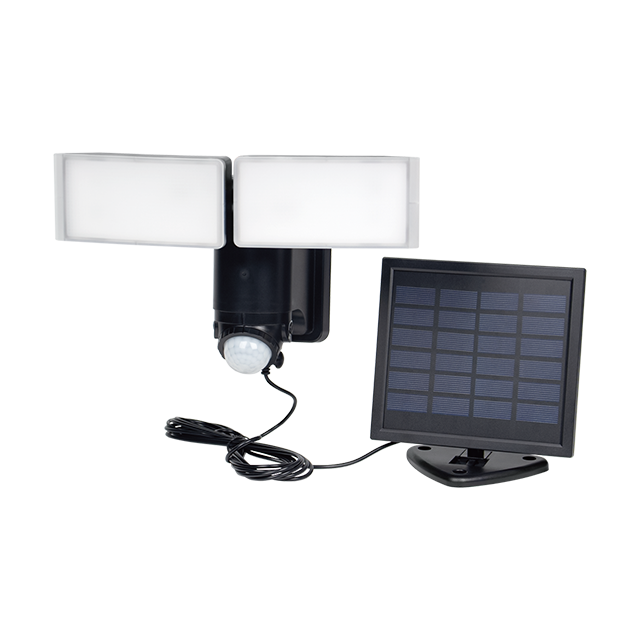
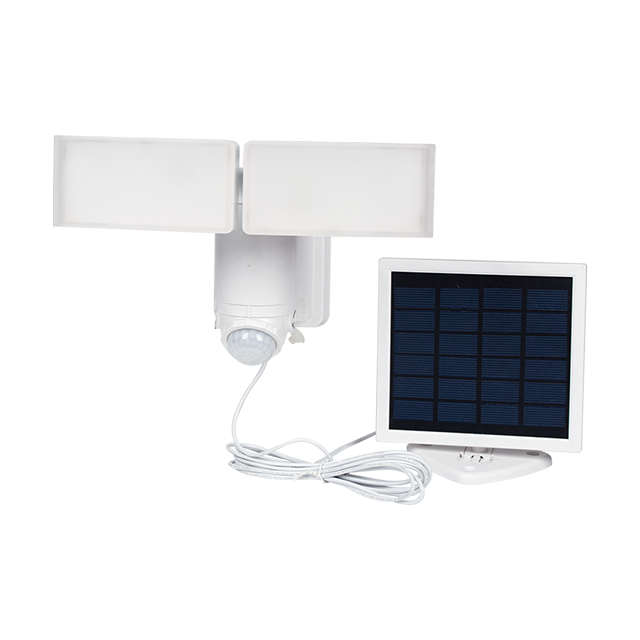
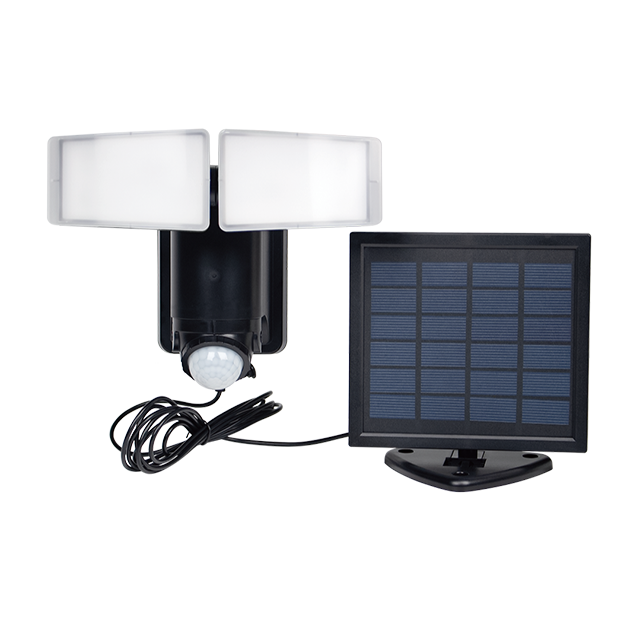
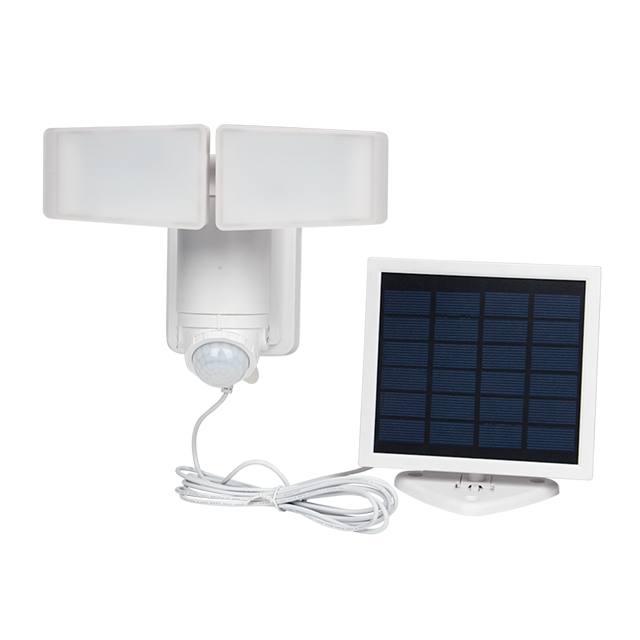
Solar Wall Light

In the professional Outdoor Landscaping Lighting industry, Color Temperature is a critical metric measured in Kelvin (K), representing the spectral characteristics of a light source. This physical property is determined by the color radiated from a theoretical black body radiator when heated to a specific temperature. 3000K Warm White falls within the long-wave spectrum, emitting a soft amber-yellow glow that mimics the natural light of the "golden hour" shortly after sunrise or before sunset. In contrast, 6500K Cool White aligns with the short-wave blue spectrum, simulating the crisp, stark light of a high-altitude noon sun or an overcast sky.
Visual Comfort and Color Rendering Index (CRI) For Residential Garden applications, 3000K Warm White is considered the premium standard. The predominance of red and orange wavelengths minimizes Glare, which is essential for low-level Solar Path Lights where the light source is often close to the eye level of someone sitting or walking. Warm light excels in highlighting natural textures such as wood grain, earth-toned pavers, and the rich colors of deciduous plants, providing a high-fidelity visual experience that feels organic and high-end. Melatonin Regulation and Ecological Impact From an environmental perspective, 3000K Warm White is significantly more Dark Sky Compliance friendly. High-intensity blue light is known to suppress Melatonin production in both humans and nocturnal wildlife. By utilizing a warmer spectrum, landscape designers reduce Light Trespass and minimize the disruption of local ecosystems, making it the responsible choice for eco-conscious Solar Path Lights installations.
Visual Acuity and Contrast Enhancement 6500K Cool White provides superior Visual Contrast in low-light environments. The blue-rich light stimulates the rods in the human retina, which are responsible for peripheral vision and motion detection. This makes cool white light exceptionally effective for security-focused Solar Path Lights used in commercial perimeters, dark parking areas, or complex stairways where identifying edges and potential obstacles is the primary objective. Perceived Brightness and Energy Conversion A significant technical advantage of 6500K Cool White is its Perceived Brightness. At an identical Lumens output, the human eye perceives cool light as being "brighter" than warm light. For solar-powered fixtures, which rely on limited battery capacity, this allows manufacturers to achieve a higher perceived light intensity without increasing power consumption, making it a common choice for budget-conscious or high-utility functional lighting.
Residential Ambiance and Architectural Continuity For luxury home pathways, 3000K Warm White creates a seamless transition between the warm interior lighting of a home and its exterior spaces. It enhances the "curb appeal" by making architectural features appear more inviting and substantial. It is the preferred choice for stone paths, flower beds, and traditional garden layouts. Modern Minimalism and Water Features Modern architectural styles involving glass, steel, and concrete often benefit from the crispness of 6500K Cool White. This color temperature can accentuate a Futuristic Vibe and is particularly striking when illuminating water features, such as fountains or reflective pools, where it brings out the crystalline clarity and motion of the water.
| Feature | 3000K Warm White | 6500K Cool White |
| Visual Atmosphere | Comfortable, Sophisticated, Cozy | Clean, Alert, Modern |
| Glare Control | Excellent | Moderate |
| Night Vision Sharpness | Standard | High |
| Vegetation Rendering | Best for Red/Yellow/Brown tones | Best for Blue/Green/Cold tones |
| Ecological Footprint | Low (Protects wildlife/sleep) | High (May disrupt circadian rhythms) |
Copyright © Ningbo Loyal Lighting Technology Co., Ltd. All Rights Reserved.
 Wholesale Solar Garden Lights Manufacturers