
 EN
EN
 English
 Français
 Español

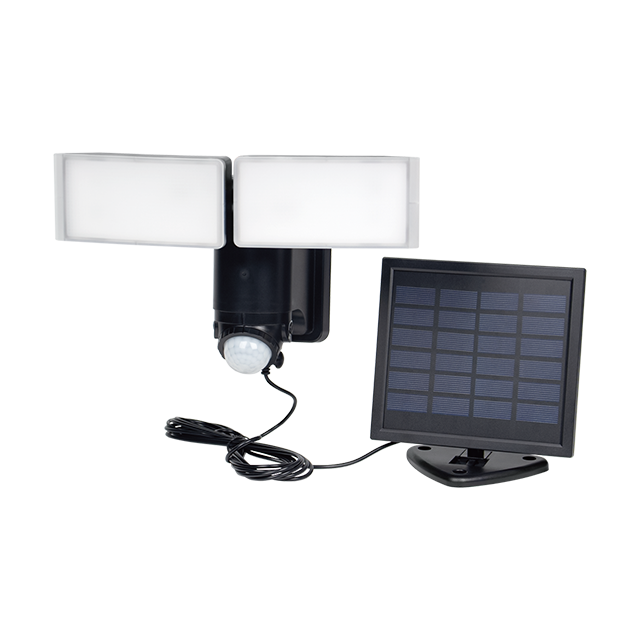
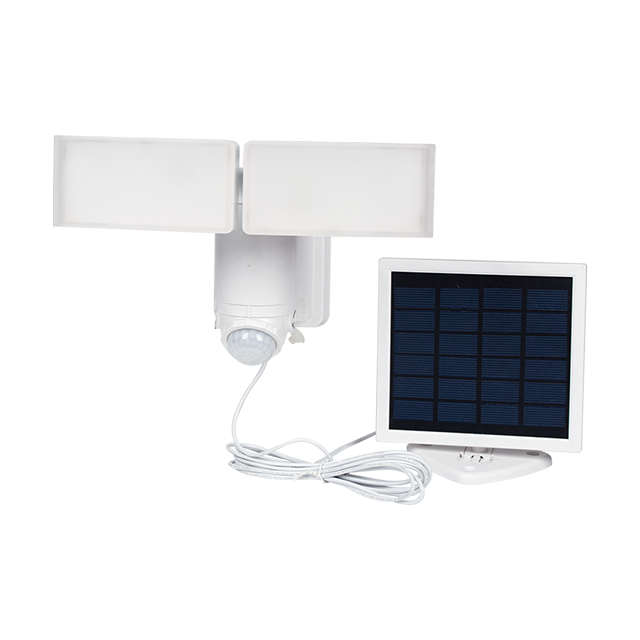
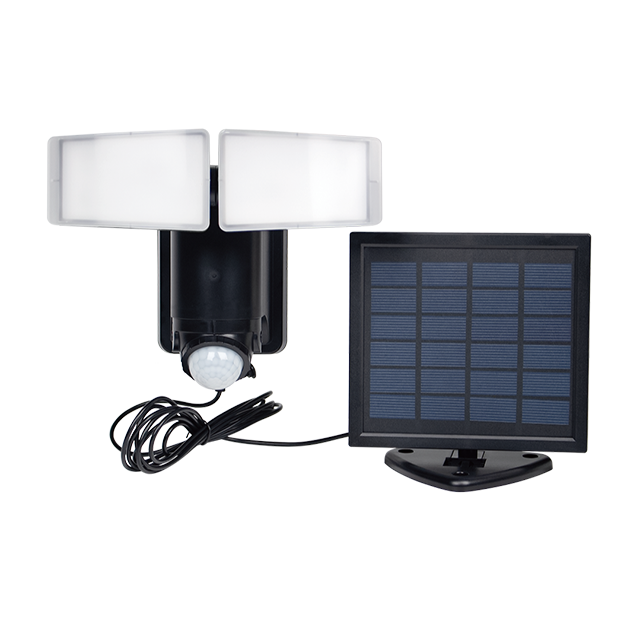
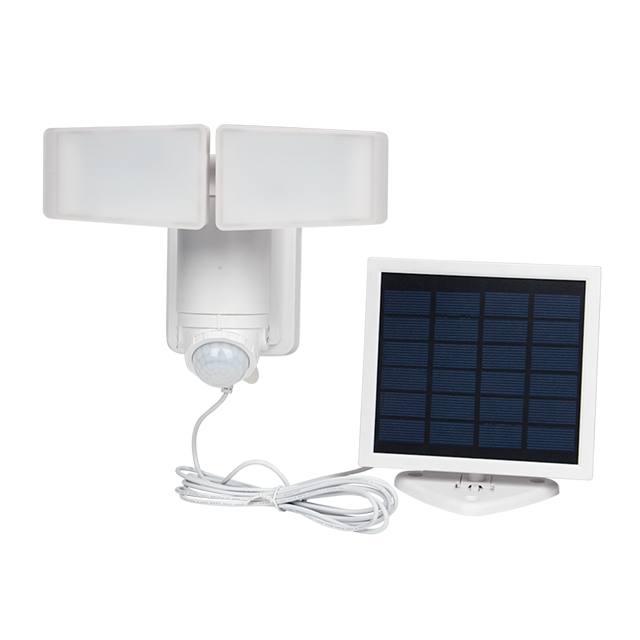
Solar Wall Light

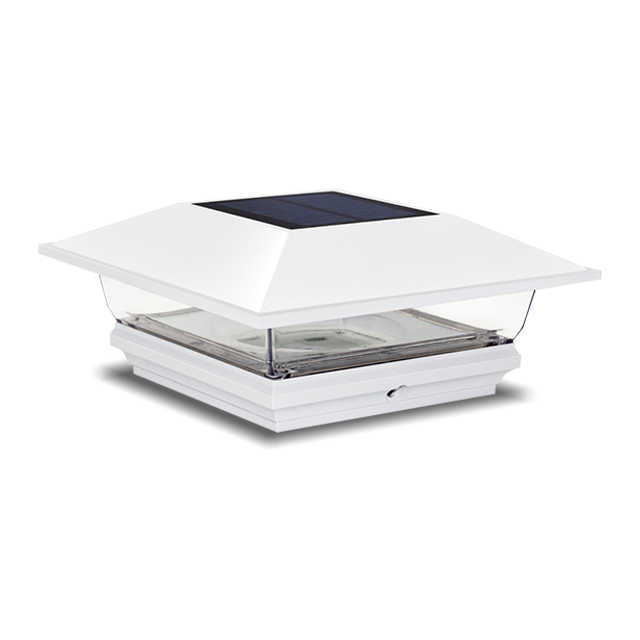
Solar post cap lights are becoming increasingly popular for their energy efficiency, environmental benefits, and aesthetic appeal. One of the key components of a solar post cap light is the solar panel. The type of solar panel used directly impacts the performance, lifespan, and charging efficiency of the light. This article will detail the different types of solar panels used in solar post cap lights, helping you better understand the functionality and benefits of these lighting solutions.
Monocrystalline solar panels are one of the most common and efficient types of solar panels on the market. These panels are made from high-purity silicon, and the crystals within the panel are arranged in a uniform pattern, which increases the energy conversion efficiency. For solar post cap lights, monocrystalline panels provide higher energy output, allowing for faster charging, especially in areas with abundant sunlight.
Monocrystalline solar panels typically have an efficiency rate of 18%-22%, making them one of the most efficient types of solar panels. This means they can generate more energy in a smaller space, making them ideal for solar post cap lights that require efficient energy conversion.
Advantages:
Disadvantages:
Polycrystalline solar panels are made from multiple silicon crystals and are a more affordable alternative to monocrystalline panels. The manufacturing process is simpler, which reduces costs, but the energy conversion efficiency is lower. Polycrystalline panels typically have an efficiency rate of around 15%-18%, making them less efficient than monocrystalline panels, but still a popular choice for solar post cap lights.
These panels perform well in moderate sunlight conditions and are often used in mid-range and budget-friendly solar post cap lights. They are a good choice for areas with less direct sunlight or for those looking for a cost-effective solution.
Advantages:
Disadvantages:
Thin-film solar panels are a lightweight, flexible type of solar panel that is made from materials such as amorphous silicon, copper indium gallium selenide (CIGS), or cadmium telluride. They are thin and flexible, making them easy to apply to various surfaces, and they come at a lower production cost compared to other types of panels.
While thin-film solar panels have lower energy conversion efficiency (typically 10%-13%) than both monocrystalline and polycrystalline panels, they perform better in low-light conditions. For solar post cap lights, thin-film panels are beneficial in areas with frequent cloudy or overcast weather, as they can still gather energy efficiently in such conditions.
Advantages:
Disadvantages:
Concentrated solar panels are designed to focus sunlight onto a small, highly efficient solar panel using optical lenses or mirrors. This type of technology is commonly used in large-scale solar power plants but is less common in solar post cap lights due to its complexity and installation requirements.
Although concentrated solar panels offer high energy conversion efficiency, they are costly and require specific conditions for installation. This technology is ideal for areas with direct and abundant sunlight, but it is not typically used in everyday solar post cap light designs.
Advantages:
Disadvantages:
Bifacial solar panels are a newer technology that captures sunlight on both the front and rear sides of the panel. This allows for higher energy output compared to traditional single-sided panels, especially in areas where sunlight is reflected off surfaces such as snow, water, or light-colored surfaces.
While bifacial solar panels are not yet widely used in solar post cap lights, they have the potential to become more common in the future. These panels offer better efficiency in environments where sunlight is reflected from surfaces, and they provide increased energy generation from multiple angles.
Advantages:
Disadvantages:
Copyright © Ningbo Loyal Lighting Technology Co., Ltd. All Rights Reserved.
 Wholesale Solar Garden Lights Manufacturers