
 EN
EN
 English
 Français
 Español

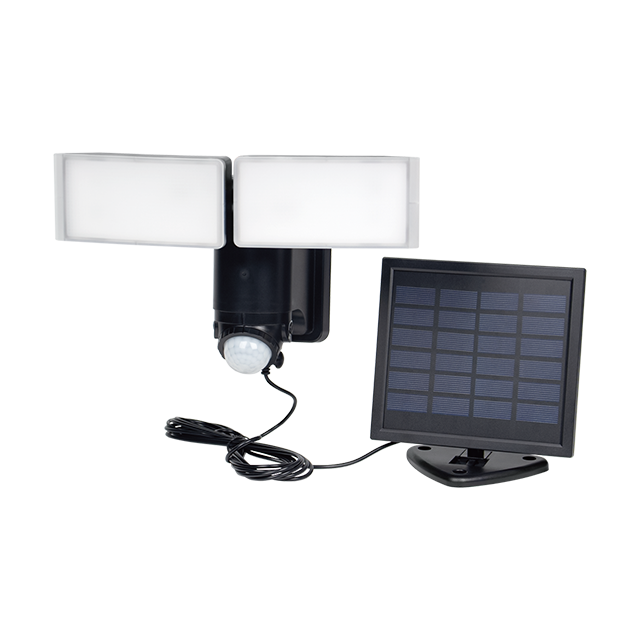
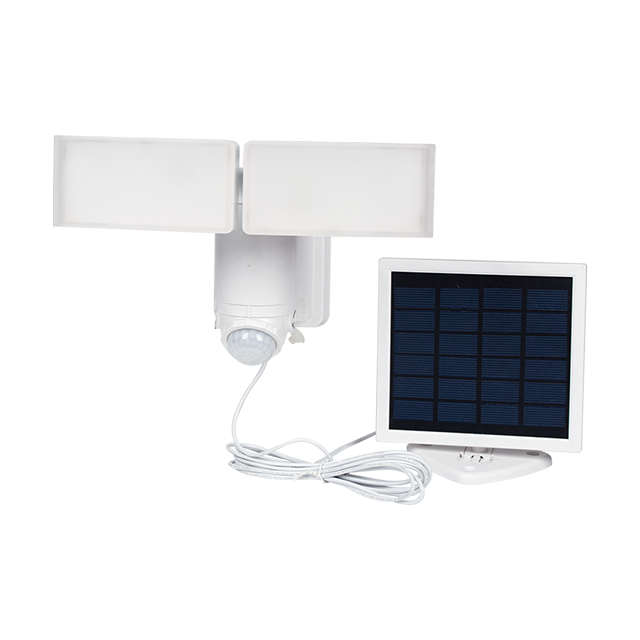
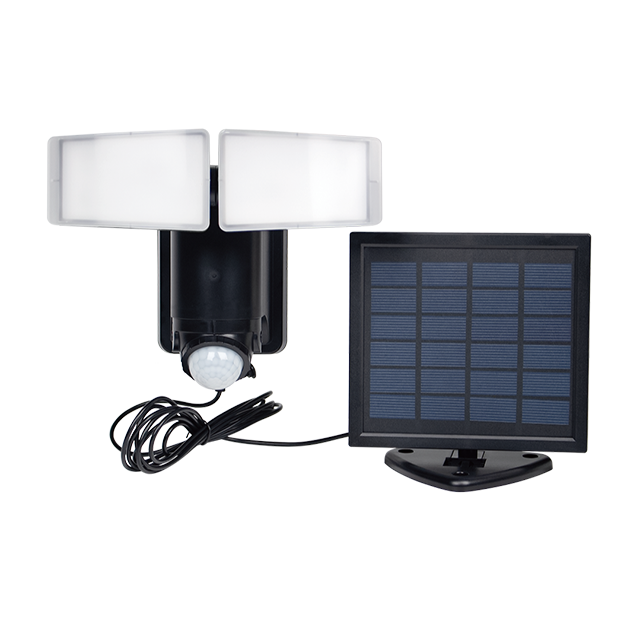
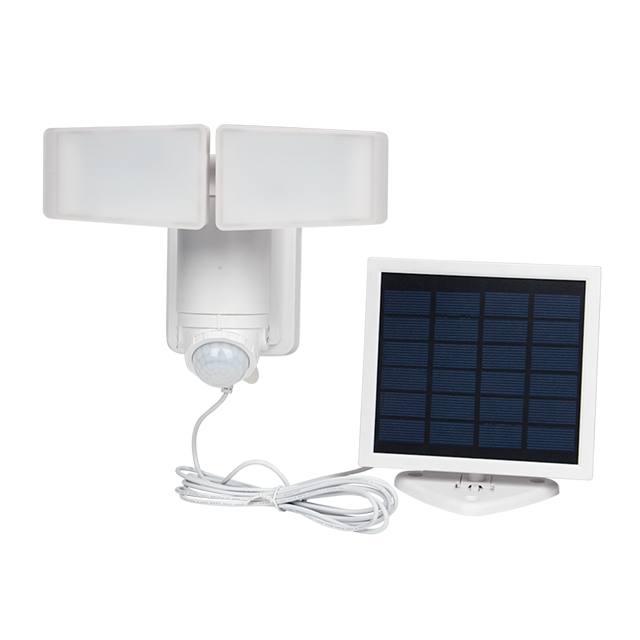
Solar Wall Light

While solar street lights are widely recognized for their environmental benefits and independence from the electrical grid, they possess several significant drawbacks that can impact their performance, cost-effectiveness, and long-term reliability in various environments.
The most immediate disadvantage of solar street lights is the high upfront cost compared to traditional street lighting systems. This price gap is driven by several factors:
The reliability of a solar street light is fundamentally tied to the amount of sunlight it receives, which introduces significant instability:
The energy storage component is the most vulnerable part of the solar street light system, presenting several technical challenges:
Maintaining a network of solar street lights is often more complex than maintaining a centralized grid system:
| Feature | Solar Street Light | Traditional Grid Light |
| Initial Unit Cost | High | Low |
| Energy Source | Intermittent (Sunlight) | Constant (Power Grid) |
| Stability | Weather Dependent | Highly Stable |
| Battery Replacement | Required every 3-5 years | None |
| Installation | Simple (No wiring) | Complex (Trenching required) |
| Brightness Consistency | May dim as battery drains | Uniform throughout night |
Why are solar street lights not used on all major highways?
The primary reason is reliability. Highways require consistent, high-intensity lighting for safety. The risk of solar street lights failing during prolonged bad weather makes them less suitable for high-speed transit routes compared to grid-powered systems.
Can the disadvantages be mitigated by using larger batteries?
Yes, increasing the battery and panel size can help a solar street light last longer during cloudy periods, but this significantly increases the cost and the physical weight/wind resistance of the lamp post.
How does dust affect solar street lights?
Dust forms a film over the photovoltaic cells. In arid regions, this can reduce the energy production of the solar street light by up to 30% within a few weeks if not cleaned by rain or maintenance crews.
Do solar street lights work in the rain?
They do not "work" in the sense of charging, but they use the energy stored in the battery from previous sunny days. A well-designed solar street light usually has enough storage for 3 to 5 days of rainy weather.
Copyright © Ningbo Loyal Lighting Technology Co., Ltd. All Rights Reserved.
 Wholesale Solar Garden Lights Manufacturers