
 EN
EN
 English
 Français
 Español



.png?imageView2/2/w/325/h/325/format/jpg/q/75)
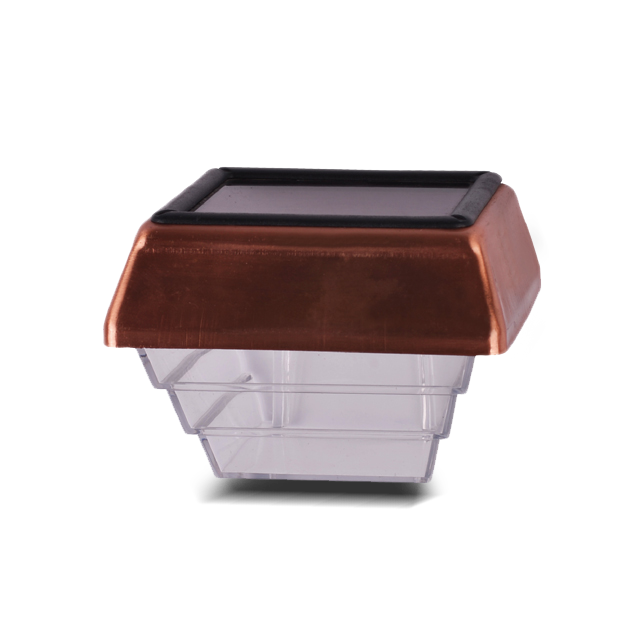
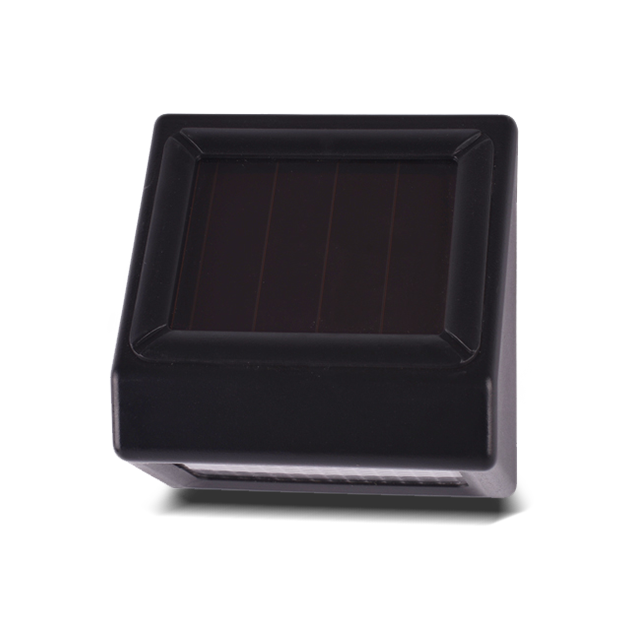
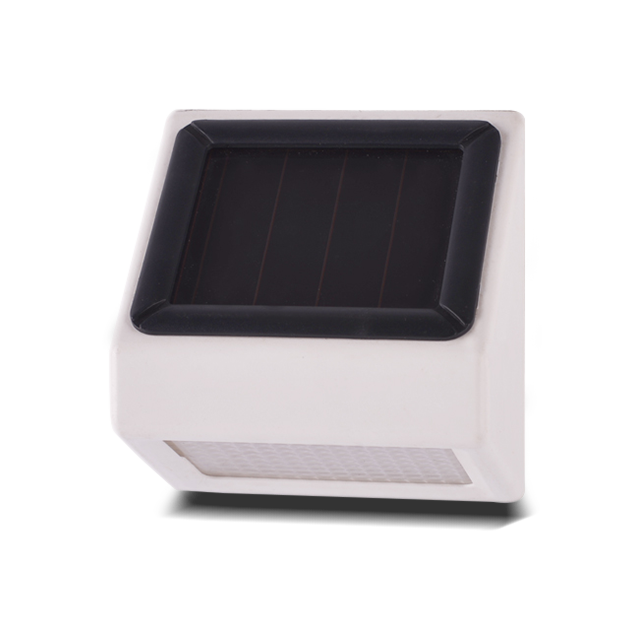
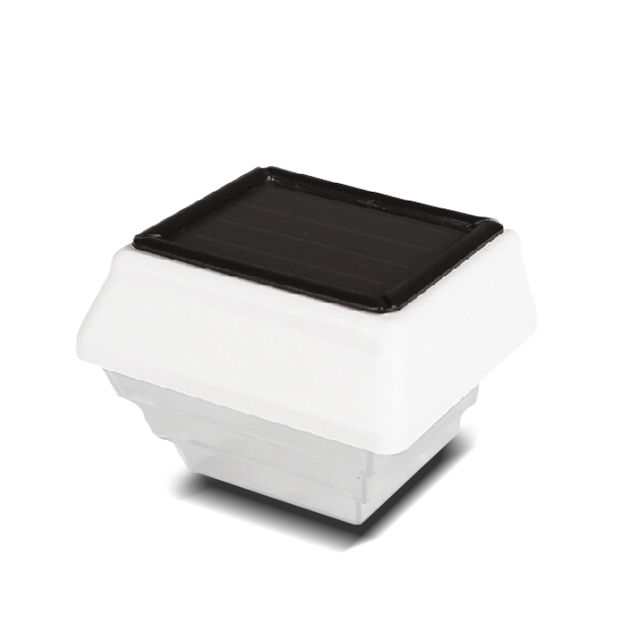
Core Product Advantages
Zero-Wire, Single-Unit Installation
Simplifies and accelerates deployment, drastically reducing labor costs and eliminating the need for complex electrical work.
High Resistance to Theft
All valuable components (battery, panel) are locked within a sealed aluminum housing, providing excellent security.
Aesthetic and Low-Profile Design
The streamlined, integrated housing minimizes visual impact, making it popular for modern architectural environments.
Intelligent Energy Management
Microwave sensing and programmed dimming maximize battery life, delivering reliable light throughout the full night cycle.
Seamless Integration: The Next Evolution of All-in-One Solar Solutions
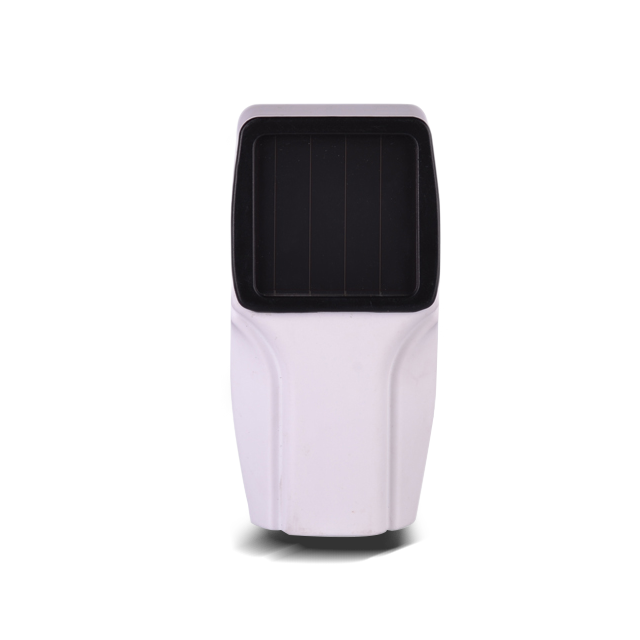
The Integrated Solar Lights category is the formalized term for what is commonly known as the All-in-One (AIO) system, representing the peak of design efficiency, installation simplicity, and streamlined aesthetics. This advanced design ethos consolidates the solar panel, LED light source, battery, and smart controller into a single, cohesive, highly engineered housing. Our integrated solutions are the preferred choice for projects where visual simplicity and rapid deployment are non-negotiable, offering a clean, modern aesthetic that blends seamlessly into contemporary urban and residential environments.
A core benefit of the integrated design is the dramatic reduction in installation complexity and cost. By eliminating external wires and separate components, a single technician can mount the fixture onto a pole or wall in minutes using basic tools. This factor is especially appealing for large projects or distributors targeting DIY-savvy consumers, offering a system that is operational immediately upon mounting, with no complex wiring or electrical certification required.
We have optimized our integrated lights to overcome the traditional challenge of the AIO format: balancing panel size with fixture size. Our designs use patented, high-efficiency monocrystalline solar cells arranged in wide, low-profile configurations on top of the fixture. This allows for sufficient power generation without sacrificing the sleek profile. The energy is stored within high-capacity, thermally optimized LiFePO4 battery packs contained within the heat-dissipating aluminum shell.
Intelligence is built-in via the integrated MPPT or sophisticated PWM controller. This controller manages the system's operational modes, typically featuring a highly effective motion-sensing mode (PIR or Microwave). The light automatically stays at a low, power-saving level (or off) until motion is detected, at which point it instantaneously boosts to full lumen output. This dynamic load management is crucial for ensuring the compact battery can reliably support the light for multiple nights of operation, even in lower sunlight areas.
The construction standards for our integrated lights are exceptionally high. They feature robust, pressure die-cast aluminum housing with a high degree of sealing (IP65/IP66), ensuring the long-term integrity of the internal electronics against the elements. Furthermore, the integrated structure is inherently more resistant to component theft and vandalism than systems with separate, exposed parts. By offering this highly efficient, structurally simple, and visually elegant lighting solution, we provide the market with a reliable and modern alternative to complex traditional lighting systems.
Technical Specifications (80W Integrated Street Light)
| Product Series | NL-INT-80W |
| Light Source | SMD LED Array (High Lumen) |
| Nominal Power | 80W |
| Lumen Output (Max) | 8,500 - 9,500 LM |
| Solar Panel | Integrated Monocrystalline, 100W/18V |
| Battery Type | LiFePO4, 3.2V/60Ah |
| Sensor Type | Microwave Sensor (High Sensitivity) |
| Autonomy (Backup Days) | 5 - 6 Overcast Days |
| IP Rating | IP65 |
| Housing Material | Die-Cast Aluminum Alloy |
| Installation Height | 7 - 9 Meters |
| Control Method | Dusk-to-Dawn + Motion Activated Dimming |
get in touch with us
Integrated Light Installation
1
Secure Pole Arm
Install the light's mounting bracket or sleeve onto the pole arm at the required height (7-9m).
2
Activate Unit
Engage the power switch (often accessible via a simple waterproof cap) or connect the internal safety plug.
3
Mount Fixture
Lift the single, integrated unit onto the pole arm, securing the bolts and ensuring the solar panel faces the equator (South in N. Hemisphere).
4
Final Check
Confirm the angle of the solar panel is optimized for maximum daily sun exposure, and the light is aimed correctly toward the road/area.
Comprehensive Application Scenarios
Urban Residential Streets
Providing essential lighting with a modern, unobtrusive design, ideal for city planning that values aesthetics.
Corporate and University Campuses
Fast, uniform deployment across large areas, ensuring a consistent and professional look with zero energy costs.
Rental Properties & Developments
Offering a low-maintenance, easy-to-replace lighting system that adds value without ongoing electrical utility fees.
Retrofit Projects
Quickly converting existing poles (without power access) into solar lighting with minimal modification.
Commercial Project Snapshot
| Minimum Order Quantity (MOQ) | 100 Units |
| Lead Time (Typical) | 25 Working Days |
| Packaging | Single-Unit Carton / FCL Optimized |
| Certifications | CE, RoHS, IP65/IP66, BSCI Audited Factory |
| Raw Materials Focus | Die-Cast Aluminum, Integrated Monocrystalline Cells, Microwave Sensors |
| Customization Options | Bracket Type, CCT, Sensor Sensitivity, Advanced Control Programming |
ABOUT US
Solar Product Solutions
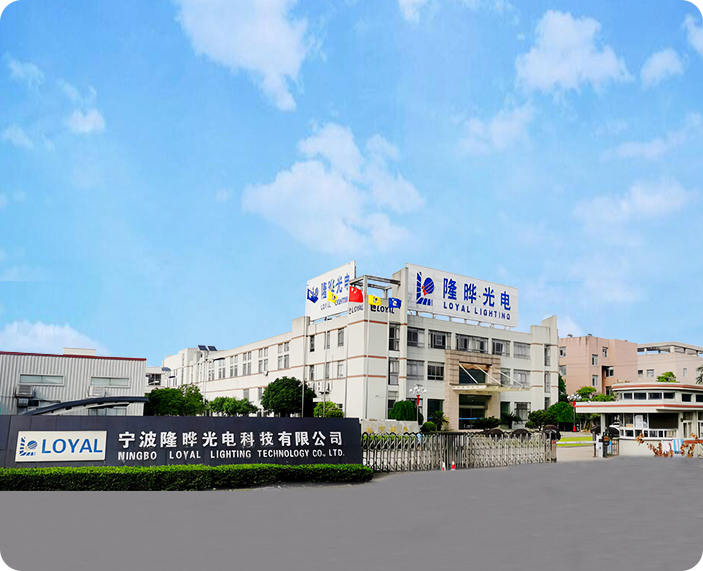
Ningbo Loyal Lighting Technology Co., Ltd. established in 2013, is a professional China Integrated Solar Lights Manufacturers and Wholesale Integrated Solar Lights Factory, engaged in the solar related products, such as solar garden light, solar street light, solar power system and so on. It is located in Ningbo with convenient transportation and dedicated to strict quality control and thoughtful customer service. Our experienced staff members are always concerned to customers’ requirements and responsible to present the satisfied products. Our principle is, “To produce what customer need really and to serve how customer satisfy fully.”
EXPLORE MORE
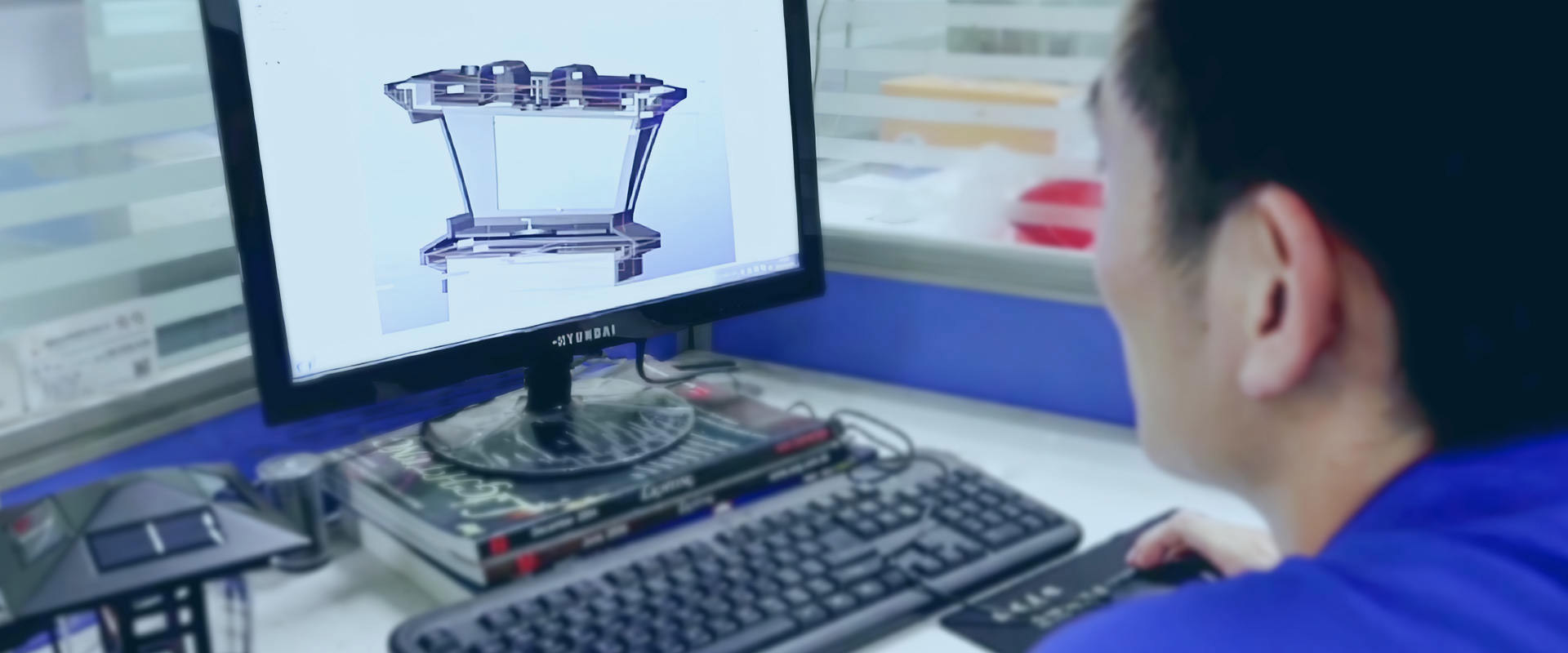
Customization
We have a strong R&D team,we can develop and produce products according to the drawings or samples customers provide.
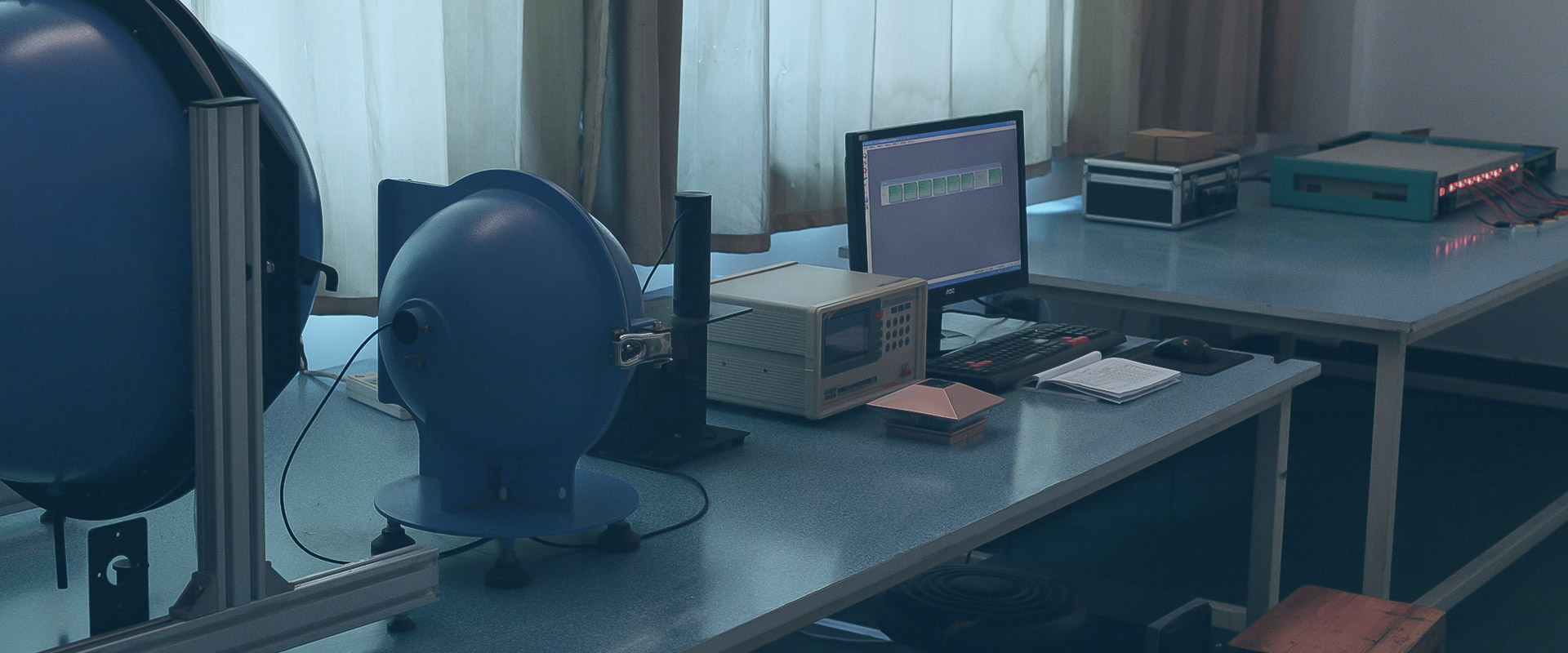
Quality
We have our own testing lab and the advanced and complete inspection equipment,which can ensure the quality of the products.
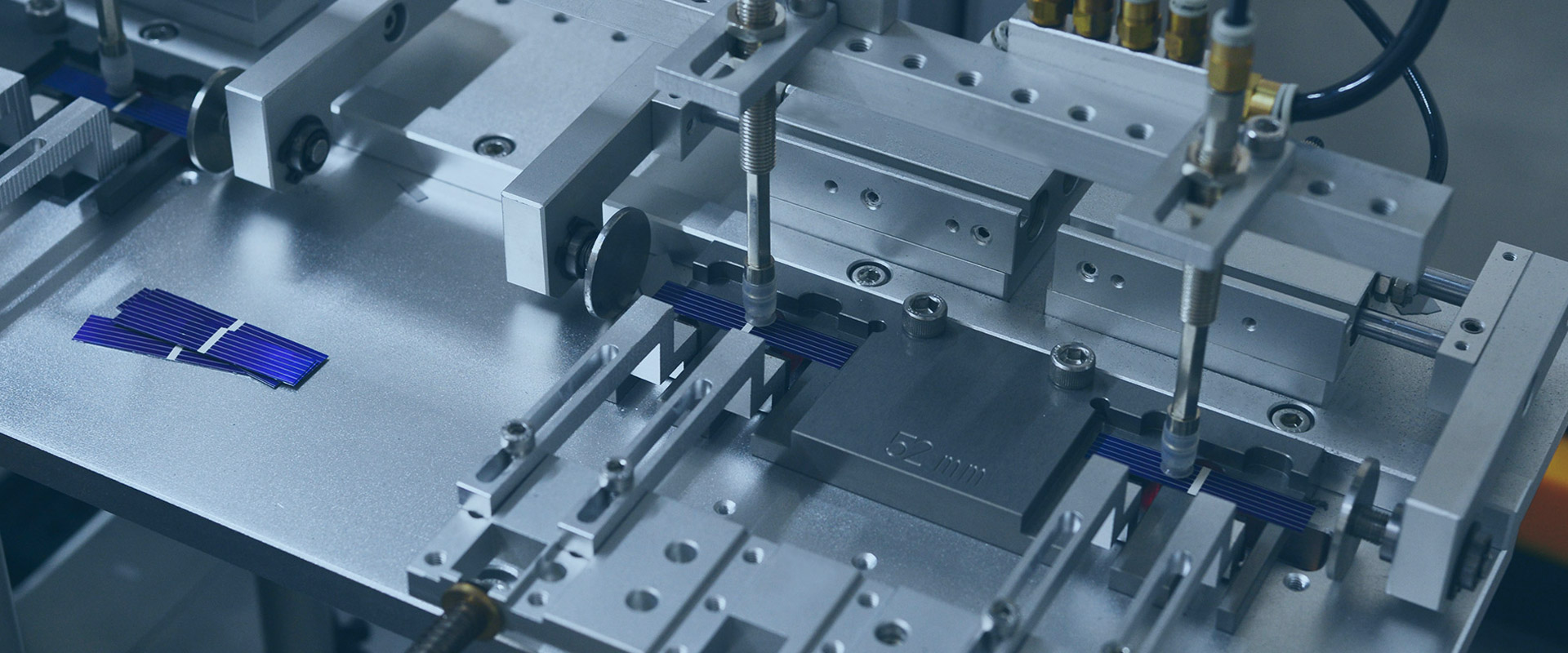
Advanced Equipment
We covers the entire production process, from solar cell cutting to the testing of finished solar product. We wholly own solar panel production line and guarantee all the solar panels used to the products are qualified.
-
 1
1Customization
-
 2
2Quality
-
 3
3Advanced
Equipment
Frequently Asked Questions (FAQ)
Q: What is the typical life expectancy of the integrated solar panel?
A: The monocrystalline panel is designed to maintain over 80% of its original efficiency after 20 years of operation.
Q: Is the microwave sensor better than the PIR sensor?
A: Microwave sensors are more sensitive and detect movement over a wider area and distance, but they can be more prone to false triggers (e.g., rustling leaves, distant traffic).
Q: Can I adjust the angle of the solar panel after installation?
A: Most integrated models come with a factory-set angle for the fixture. However, many of our mounting brackets allow for tilt adjustment to optimize the panel angle.
Q: What is the benefit of the streamlined housing design?
A: It minimizes wind load (increasing stability in high winds) and looks more aesthetically modern, appealing to urban planners and residential developers.
Q: How does the integrated system manage heat from the battery and LED simultaneously?
A: The battery and LED modules are typically placed on opposite sides of a large internal aluminum heat sink to efficiently dissipate their heat to the ambient air.
Q: Can these lights be monitored remotely?
A: Yes, select high-end Integrated Solar Lights offer optional IoT integration (e.g., LoRaWAN) for remote performance monitoring and control.
Q: What is the maximum height recommended for integrated street lights?
A: Due to the fixed size of the integrated panel, the typical maximum height is 9-10 meters, beyond which a split system is usually recommended for adequate power.
Q: What happens if the light is partially shaded by a tree branch?
A: Partial shading significantly reduces the output of a monocrystalline panel. It will still charge, but the runtime will be reduced. Panels must be kept clear of major shadows.
Q: How durable is the external housing paint finish?
A: We use outdoor-rated powder-coating that provides superior UV and corrosion resistance, ensuring the paint finish remains intact for over 5 years.
Q: Do these lights require any scheduled battery discharge cycles?
A: No. The LiFePO4 battery and controller manage charging/discharging automatically. Users do not need to perform any manual maintenance cycles.
