
 EN
EN
 English
 Français
 Español

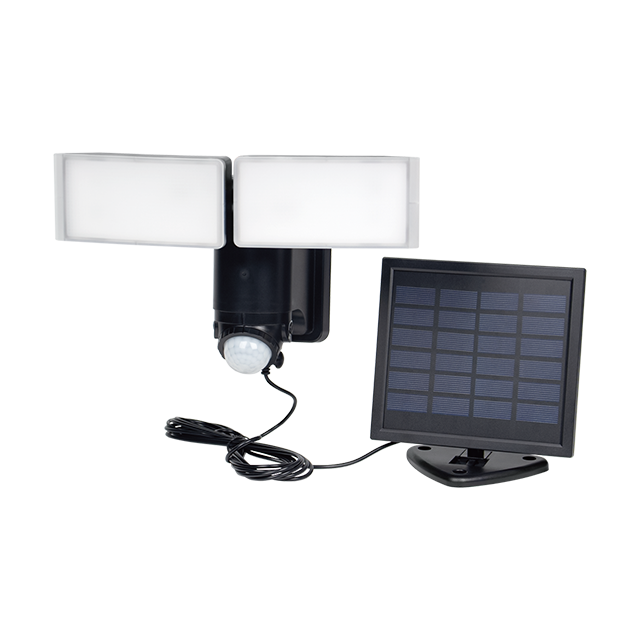
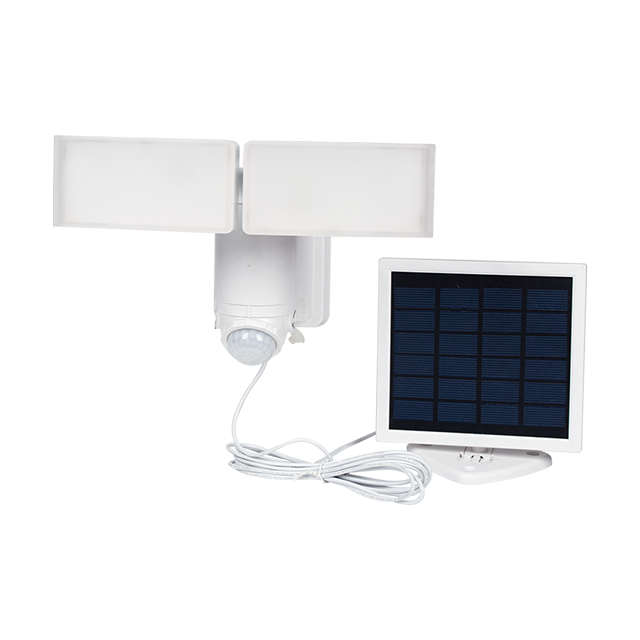
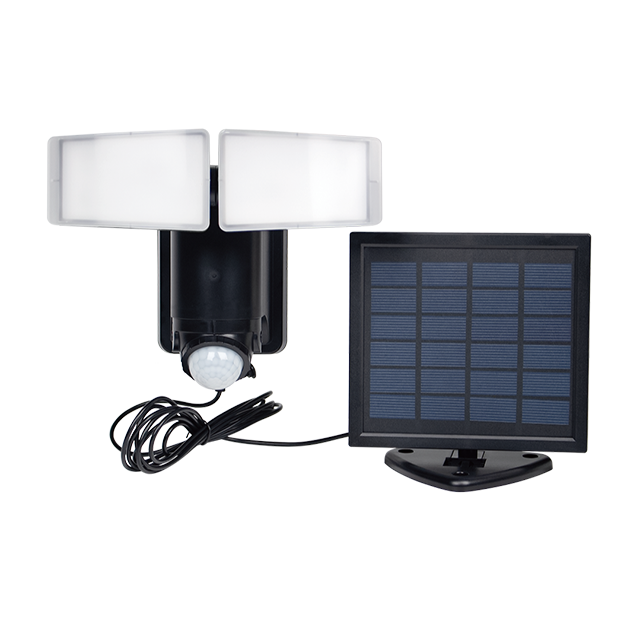
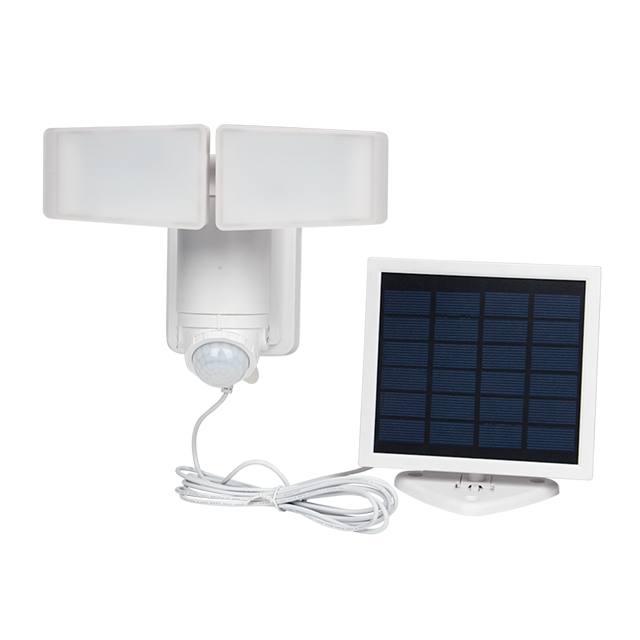
Solar Wall Light

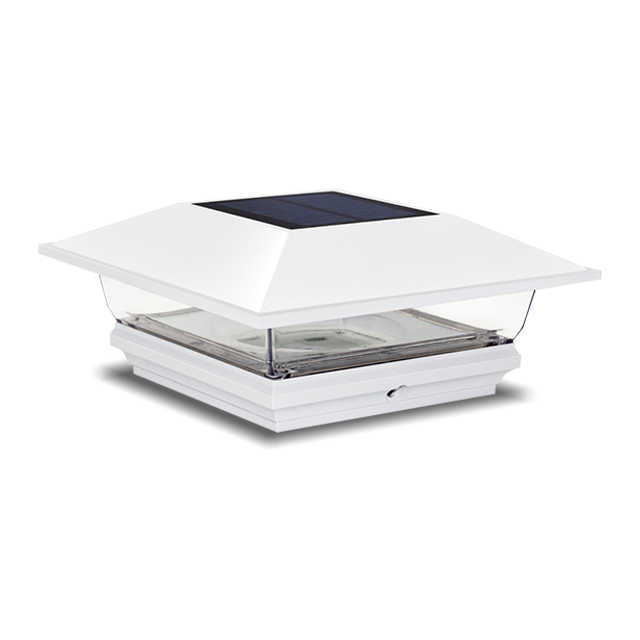
In modern landscape design, Solar Post Cap Lights have evolved from simple lighting accessories into core elements that enhance home style. They are cleverly installed on the tops of fence posts, deck railings, or garden gates, utilizing sunlight absorbed during the day to provide a soft glow at night. These fixtures are widely popular because they perfectly solve the three major pain points of outdoor lighting: difficult wiring, high electricity costs, and tedious maintenance.
From a visual perspective, these lights do more than just outline a yard; they add a sense of architectural layering. Whether on a traditional wooden fence or a modern composite railing, the right post cap lights can create a high-end resort ambiance in your own backyard at night.
For most homeowners, the most pressing question is: Are solar post cap lights worth it? The answer depends on your definition of "value." If we look at it from the perspectives of Return on Investment (ROI) and user experience, we can draw the following conclusions:
Compared to traditional low-voltage wired lighting systems, the advantages of solar post cap lights are obvious. Wired systems require purchasing transformers, burying underground cables, and often hiring a professional electrician for installation, with initial costs potentially reaching thousands of dollars. In contrast, solar fixtures work right out of the box and incur zero electricity costs.
In dimly lit areas like stairs or the edges of a terrace, these lights provide vital safety guidance, effectively preventing trips and falls. This preventative value often outweighs the price tag of the fixtures themselves.
To answer the value question more intuitively, the following table compares two common types of products on the market:
| Performance Dimension | Entry-level Plastic Model | Professional-grade Model |
| Housing Material | ABS Plastic / Polycarbonate | Die-cast Aluminum / Glass |
| Solar Panel Type | Amorphous Silicon | Monocrystalline Silicon |
| Battery Capacity | 300 - 600 mAh | 1200 - 2200 mAh |
| Brightness | 5 - 15 Lumens | 30 - 100+ Lumens |
| Expected Lifespan | 1 - 2 Years | 5 - 8 Years |
| Worth It? | Suitable for temporary decor | Best for long-term home value |
Many users complain a few months after purchase: Why do solar lights fail so quickly? This is usually not because solar technology itself is unreliable, but due to the conflict between hardware configurations and harsh outdoor environments.
Most cheap fixtures are equipped with low-quality Nickel-Cadmium (Ni-Cd) or Nickel-Metal Hydride (Ni-MH) batteries. These batteries have limited charge-discharge cycles and are extremely sensitive to heat. Under scorching sun, the internal chemical properties degrade rapidly, leading to a sharp drop in energy storage capacity.
Solar post cap lights are exposed to wind and rain year-round. If the seals are poor, moisture can seep inside due to pressure differences caused by temperature changes, leading to oxidation and corrosion of the Printed Circuit Board (PCB). This is the primary reason for sudden light failure.
Cheap plastic-encapsulated solar panels undergo yellowing or clouding under intense UV radiation. Once the panel is no longer transparent, the photoelectric conversion efficiency plummets. Even with perfect sunlight, the battery will never fully charge.
In practical use, users often encounter various minor glitches. Understanding What are common problems with solar lights? can help you perform simple repairs before deciding to throw them away.
Sensor Conflict: If a post cap light is installed near a street lamp or powerful porch light, its built-in light sensor may think it is daytime, causing the light to refuse to turn on at night.
Battery Contact Corrosion: Even if the fixture doesn't leak, humidity in the air can cause battery spring plates to rust. Simple sanding with sandpaper can often bring the light back to life.
Seasonal Shadows: A light that performs well in summer may fail in winter due to the change in the sun angle or shadows from bare tree branches.
Cleaning Issues: Accumulated dust, bird droppings, or pollen can block up to 30 percent of light absorption.
When shopping for Solar Post Cap Lights, the material directly determines its durability.
Die-cast Aluminum: Excellent heat dissipation protects internal batteries from sun damage, and the coating is less likely to peel.
Solid Wood: Often found in high-end custom designs, wood is usually just a decorative shell with a plastic waterproof core nested inside.
Glass Lens vs. Plastic Lens: It is highly recommended to choose glass lenses. They do not turn yellow from UV rays and project higher-quality light textures such as water ripples or starbursts.
Many homeowners discard lights once they go out, but in fact, through simple maintenance, you can easily solve 80 percent of the issues mentioned in What are common problems with solar lights?. Solar lights are not disposable products; their failure usually stems from physical obstruction or component aging.
The photovoltaic panels on top of Solar Post Cap Lights accumulate dust, pollen, and even fine scratches over time. This white haze seriously hinders light absorption.
Cleaning Solution: Wipe the panel with a damp microfiber cloth every quarter.
Deep Repair: If the panel is severely oxidized and yellowed, you can lightly buff it with a small amount of toothpaste and rinse with water. This removes the oxidation layer and restores transparency.
When you find that the light only stays on for 1-2 hours, or doesn't light up at all even after a full day of sun, the battery has usually reached the end of its cycle life.
Avoid Cheap Batteries: Original batteries often have small capacities such as 600mAh.
Upgrade Suggestion: Replace them with high-capacity, high-quality Ni-MH batteries of the same size (AA or AAA). This significantly extends the nightly illumination time.
Environmental shadows are an invisible killer of Solar Post Cap Lights performance. Ensure the panel receives at least 6-8 hours of direct sunlight daily. If obstructed by seasonal growth, consider pruning surrounding vegetation.
Installing Solar Post Cap Lights seems simple, but details determine whether they can withstand the elements.
Most post cap lights are designed for standard 4x4 or 6x6 inch posts. Be sure to measure the actual outer diameter of the post, not just the nominal size. In addition to the provided screws, you can apply a small amount of outdoor-grade silicone sealant to the edge of the base to prevent moisture from entering the post.
When first purchased, the internal battery is usually not full. Before turning it on for the first time, keep the switch in the OFF position and let it sit in the sun for 24-48 hours. This pre-charging activates the battery optimal chemical activity.
To help you understand Why do solar lights fail so quickly?, we need to look at how different technical solutions perform in harsh environments.
| Technical Component | Common Low-end Solution | High-performance Solution | Impact on Lifespan |
| LED Chip | DIP (Straw Hat) LED | SMD (Surface Mount) LED | SMD generates less heat and has slower light decay. |
| Circuit Protection | None or Minimal | IC with Protection | Prevents permanent battery damage from deep discharge. |
| Housing Seal | Snap-fit Connection | Screw Locking with Silicone Ring | Determines if the light will short-circuit during rain. |
Q: Why is my solar light duration so short in winter?
A: This is due to two reasons: first, solar intensity and duration are weaker in winter; second, in low temperatures, the chemical reaction inside the battery slows down, and the capacity can shrink by 20-40 percent.
Q: Can I use regular alkaline batteries in solar lights?
A: Absolutely not. Regular alkaline batteries are not rechargeable. When the solar panel tries to charge them, the batteries may overheat, leak, or even physically expand, completely damaging your light circuitry.
Q: How do I tell if the battery is broken or the solar panel is broken?
A: Place a fully charged regular rechargeable battery into the light. If the light turns on, the circuit and LED are fine, and the original battery is dead. If it still doesn't light up, the sensor or circuit board is likely damaged.
Q: Is it worth spending more for expensive models?
A: Combining our discussion on Are solar post cap lights worth it?, if you plan to stay in your home for more than 3 years, high-end models made of aluminum with glass lenses are a better value. They require fewer replacements and maintain a premium look longer than cheap plastic versions.
Copyright © Ningbo Loyal Lighting Technology Co., Ltd. All Rights Reserved.
 Wholesale Solar Garden Lights Manufacturers