
 EN
EN
 English
 Français
 Español

Solar Wall Light

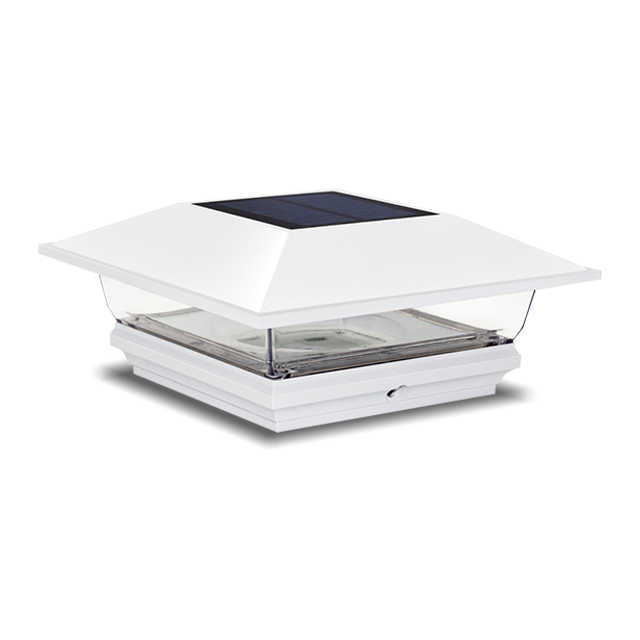
During the winter months, the duration of sunlight is shorter, and the angle of the sun is lower. This directly impacts the efficiency of the Garden Solar Post Cap Light. The reduced sunlight means that solar panels receive less energy, which slows down the battery charging process and leads to shorter nighttime illumination. Low-light conditions, including cloudy days and foggy weather, further reduce the amount of energy the solar panel can collect. Solar post lights installed in shaded areas, such as those obstructed by trees or buildings, may also experience lower charging efficiency, resulting in limited brightness and reduced lighting duration.
The majority of Garden Solar Post Cap Light units use lithium-ion or nickel-metal hydride (NiMH) batteries. When exposed to low temperatures, the chemical activity of lithium batteries decreases, leading to reduced capacity and diminished discharge efficiency. NiMH batteries also experience higher self-discharge rates in colder temperatures. At night, temperatures below -5°C (23°F) can cause the battery’s usable energy to drop by 20% to 40%, directly impacting the light’s brightness and duration of operation.
Modern Garden Solar Post Cap Lights typically use energy-efficient LED lights, which are well-suited to cold environments. Unlike traditional incandescent or halogen bulbs, LEDs do not significantly lose brightness in low temperatures, making them an ideal choice for winter use. However, the actual performance of LED lights still depends on the battery charge. If the battery has not stored sufficient energy due to inadequate sunlight during the day, the LED lights may still operate at a reduced brightness at night.
The type and quality of the solar panel play a crucial role in the performance of Garden Solar Post Cap Light in low-light environments. Monocrystalline silicon panels are more efficient in low-light conditions compared to polycrystalline panels. Even on overcast days or during brief sunlight periods, monocrystalline panels continue to generate power, ensuring basic lighting functionality. High-transparency glass covers and anti-fog designs can also help maintain efficient light conversion during rainy or snowy weather.
The design of the Garden Solar Post Cap Light directly influences its performance in winter. The tilt angle of the solar panel, the battery capacity, and the overall build quality are key factors. Aligning the panel’s tilt angle to match the lower angle of the winter sun maximizes light absorption. Larger battery capacities allow for longer nighttime operation even with less sunlight. Additionally, well-sealed, waterproof designs help protect the light from snow and rain, reducing moisture buildup that can negatively affect the battery and circuitry.
In winter or low-light conditions, Garden Solar Post Cap Lights may exhibit the following behaviors: dimmer brightness levels and shorter illumination durations. Extended periods of overcast weather may prevent the lights from operating throughout the night. Lower-end models with small batteries may only last for 3 to 4 hours, while higher-quality models may continue lighting for 6 to 8 hours. In outdoor settings, it is crucial to clean the solar panel of snow and debris regularly to maintain optimal charging efficiency.
When selecting a Garden Solar Post Cap Light for winter use, it is important to consider solar panel efficiency, battery capacity, and LED power. The installation location should be chosen to minimize shading, and the solar panel tilt angle should be adjusted to align with the lower winter sun. Regular cleaning of the solar panel to remove dust or snow ensures consistent performance. High-quality solar post lights can provide stable illumination in winter, enhancing both the safety and aesthetic appeal of outdoor spaces.
Copyright © Ningbo Loyal Lighting Technology Co., Ltd. All Rights Reserved.
 Wholesale Solar Garden Lights Manufacturers