
 EN
EN
 English
 Français
 Español

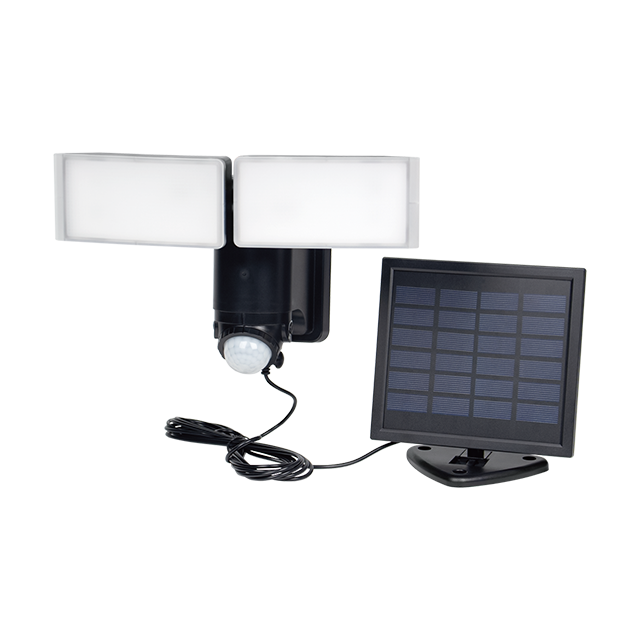
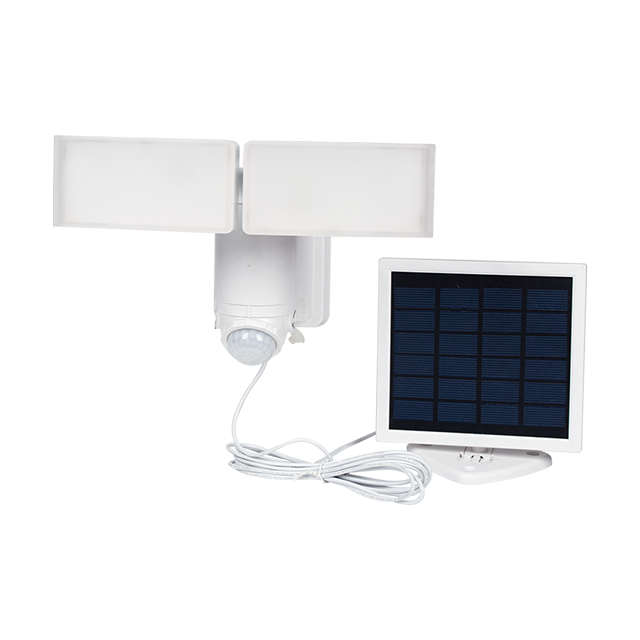
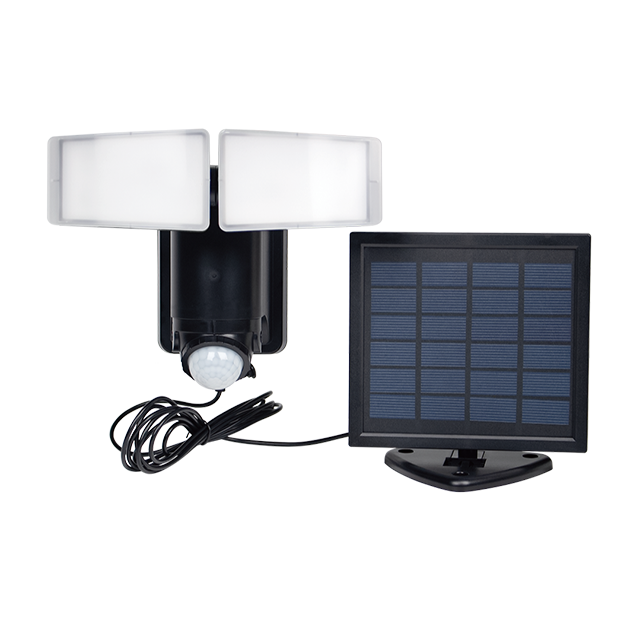
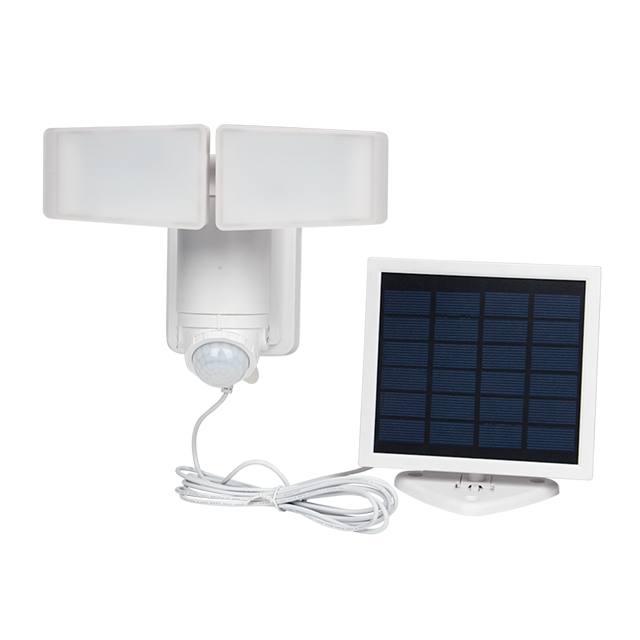
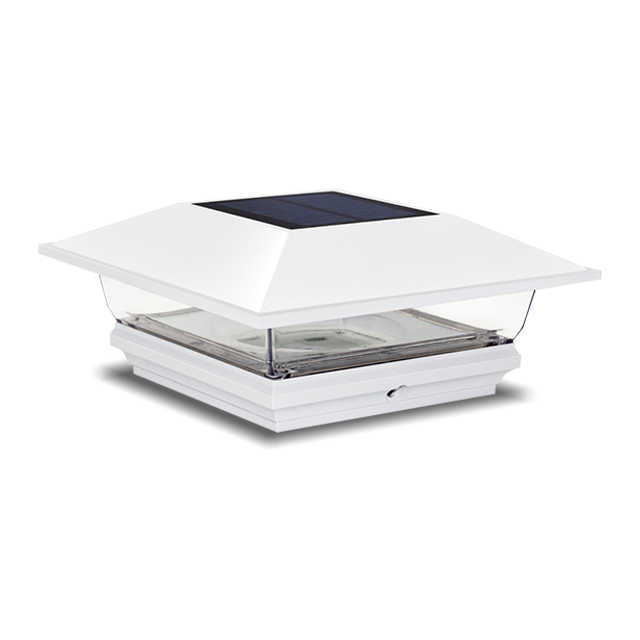
Solar Wall Light

Waterproof Garden Wireless Post Cap Lights are widely used in modern garden and pathway lighting due to their ease of installation, energy efficiency, and wireless design. Despite their durable and weather-resistant construction, long-term use or improper installation may lead to various faults. This article provides a professional overview of the most common issues for homeowners, landscape designers, and garden engineers.
One of the most common problems is the light failing to turn on. Causes may include low battery levels, aged batteries, or incorrect installation. Rechargeable lithium batteries often lose capacity after prolonged use, resulting in reduced illumination at night. Solar-powered lights may experience intermittent operation during consecutive cloudy or rainy days due to insufficient charging. Poor battery contact or reversed polarity in the battery compartment can also prevent the circuit from functioning properly.
Water ingress is a major concern even for waterproof lights. Improper sealing or aging gaskets can lead to leaks, causing short circuits, battery damage, or corrosion of internal components. Rubber seals, lamp cover interfaces, and the connection between the base and post should be inspected regularly. Loose screws or improperly aligned components during installation can also compromise waterproof performance.
Uneven lighting or reduced brightness is often related to the quality of LEDs, lamp cover material, or environmental conditions. Lower-quality LED chips have shorter lifespans and may experience partial failure. Dust, dirt, or debris on transparent lamp covers can reduce light output. Solar-powered lights in shaded areas or under snow may not charge efficiently, leading to dim lighting at night.
Many post cap lights feature light sensors or motion detection. Sensor malfunctions may result from damage to the light-sensitive or infrared components, environmental interference from strong ambient light, or poor contact within the sensor switch. Malfunctioning sensors can prevent automatic operation, reducing convenience and user satisfaction.
Rechargeable or solar-powered batteries may fail to charge fully or lose charging capability over time. Dust, leaves, or shading on solar panels significantly reduces charging efficiency. Cold temperatures can also reduce battery capacity. Loose connections between the battery and charging circuitry may lead to charging failure, necessitating regular cleaning and inspection.
Exposure to sunlight, rain, and wind can cause lamp housings to crack, fade, or degrade over time. Plastic materials may become brittle under UV exposure, while metal components may oxidize or rust. Damaged housings affect not only aesthetics but also waterproof performance and safety.
Improperly secured post lights are a common issue. Loose screws or incomplete snap-fit connections can cause the fixture to wobble or fall. Areas with strong winds are particularly susceptible to fixture instability. Using incorrect screws or bases that do not match the post dimensions may result in tilting or poor stability over time.
Some problems arise from user mishandling during installation or maintenance. Repeated disassembly, incorrect battery polarity, or failure to clean dust and debris can damage the circuitry, light source, or waterproof integrity.
Copyright © Ningbo Loyal Lighting Technology Co., Ltd. All Rights Reserved.
 Wholesale Solar Garden Lights Manufacturers