
 EN
EN
 English
 Français
 Español

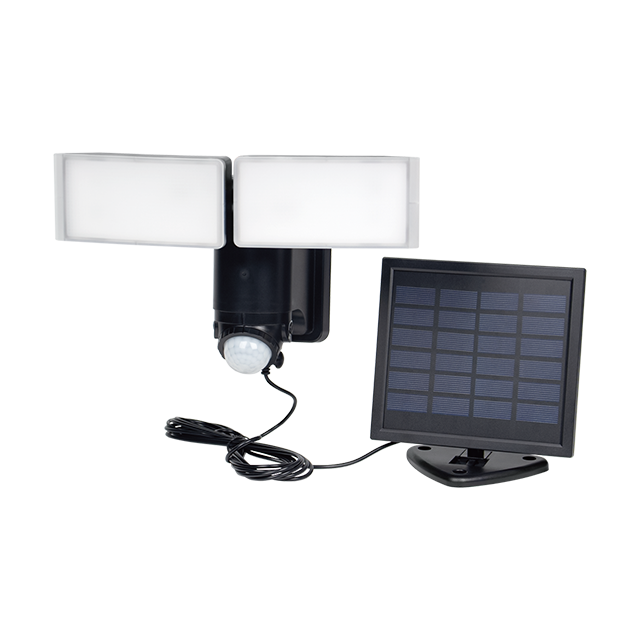
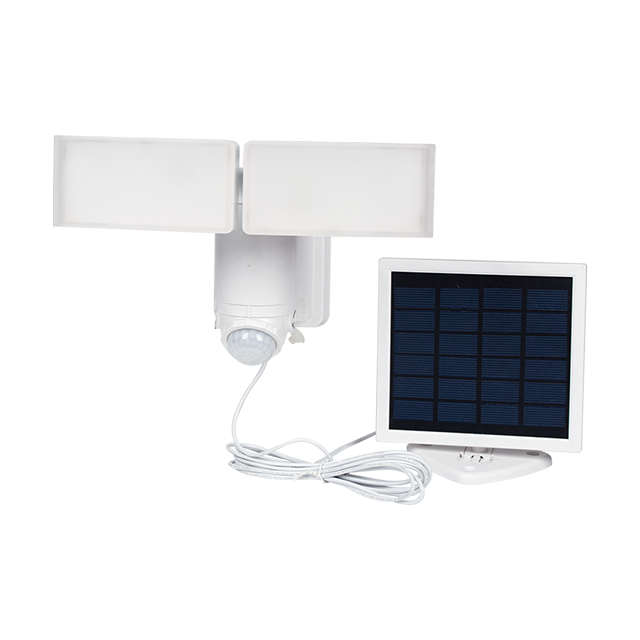
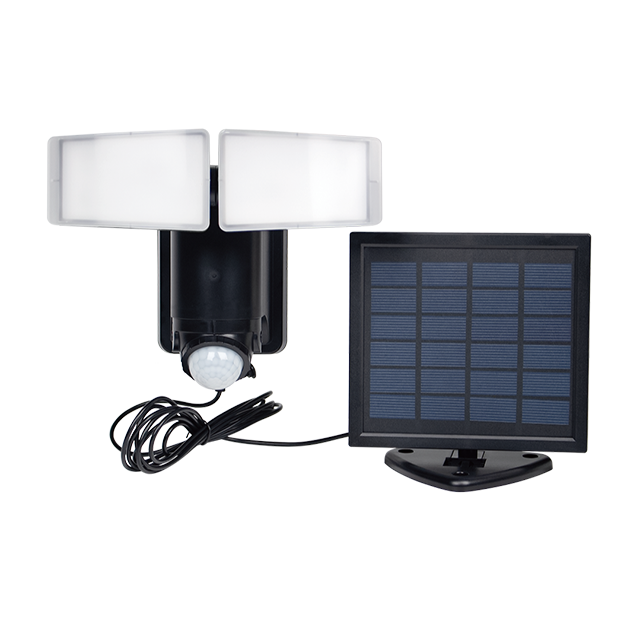
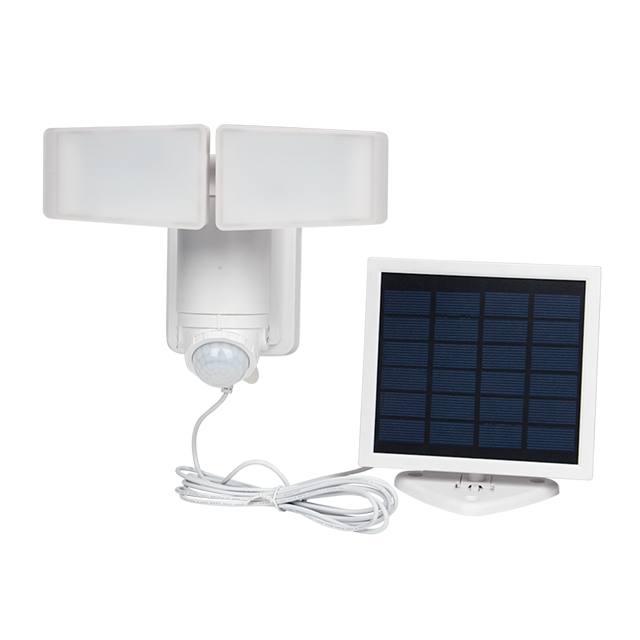
Solar Wall Light

When choosing solar path lights, the quality of materials directly affects the durability and weather resistance of the lights. The external environment for solar path lights is often challenging, including intense sunlight, heavy rain, snow, and high humidity. To ensure optimal performance over time, selecting the right material is crucial. This article explores several common materials used in solar path lights and their advantages in terms of durability and weather resistance.
Stainless steel is one of the most common materials used in solar path lights. It has strong corrosion and oxidation resistance, allowing it to withstand harsh outdoor conditions for extended periods without losing its appearance. Solar path lights with stainless steel enclosures effectively resist damage from rain, snow, humidity, and prevent rusting issues. This material is especially ideal for coastal areas to prevent salt corrosion.
Moreover, stainless steel is durable and resistant to physical damage. It does not easily deform or break even when exposed to wind and rain, making it a preferred choice for long-term investment.
Aluminum alloy is another widely used material in solar path lights, especially for resisting weather damage. Aluminum is lightweight yet sturdy, and it is more corrosion-resistant than regular metals. Its surface forms a protective film that helps prevent water, dust, and other elements from entering the light, ensuring stable operation of internal batteries and bulbs.
Aluminum alloy is an excellent choice for solar path lights that need to be moved frequently. It not only reduces the weight of the light fixture but also ensures strong impact resistance and oxidation protection.
In cost-sensitive scenarios, plastic materials are an ideal choice for solar path lights. Polycarbonate and polypropylene are two common high-strength plastics that offer excellent impact resistance and UV protection. Polycarbonate, in particular, has high transparency, allowing the solar panels and lampshades to receive maximum sunlight, which enhances the light's efficiency.
Solar path lights with plastic enclosures can effectively resist rain, high temperatures, and snow. Additionally, plastic's light weight makes installation and transportation easy. Plastic materials also tend to have strong UV resistance, so they are unlikely to fade or become brittle after prolonged exposure to sunlight, making them suitable for a variety of outdoor locations.
Copper materials offer excellent corrosion resistance and are ideal for high-end solar path lights that require both aesthetics and durability. Copper solar path lights can withstand various weather conditions and develop a unique patina over time, giving the lights a vintage look.
While copper solar path lights are more expensive, their exceptional durability and resistance to aging make them a top choice for discerning users. Copper enclosures effectively protect the lights from heavy rain, humidity, and freezing temperatures.
Glass is commonly used for the lampshade section of solar path lights. High-quality glass provides good light transmission, allowing solar panels to capture more sunlight, thereby increasing the light's charging efficiency. Additionally, the smooth surface of glass makes it easy to clean and maintain, and it does not fade or degrade over time.
However, glass can be fragile, which is why many solar path lights use tempered glass or synthetic glass. These types of glass enhance impact resistance and ensure the lights remain secure and stable under harsh weather conditions.
Ceramic is used in some high-end solar path lights. Ceramic offers excellent heat resistance and corrosion protection, making it ideal for areas with high humidity or temperature fluctuations. Ceramic solar path lights remain stable in both high and low temperatures and effectively resist UV damage.
Ceramic lights also have a unique appearance, making them ideal for use as decorative features in gardens or yards.
Copyright © Ningbo Loyal Lighting Technology Co., Ltd. All Rights Reserved.
 Wholesale Solar Garden Lights Manufacturers