
 EN
EN
 English
 Français
 Español

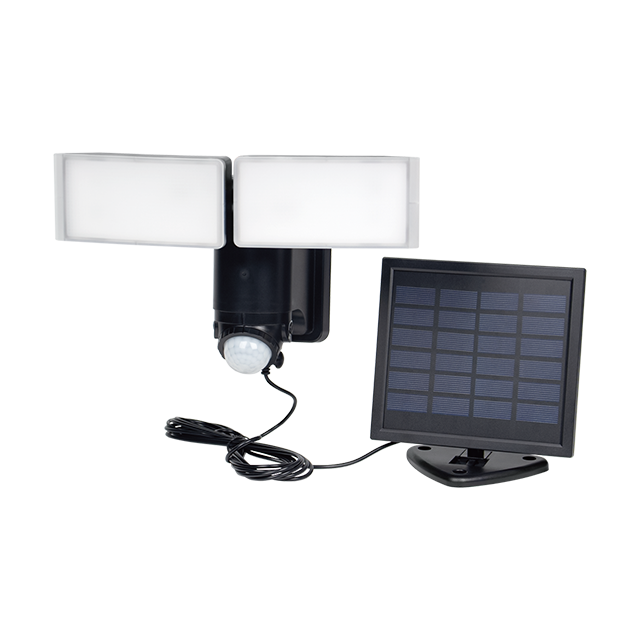
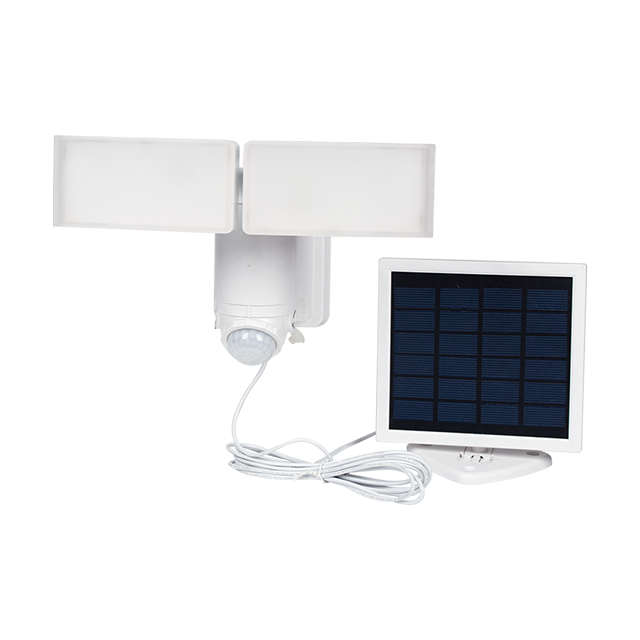
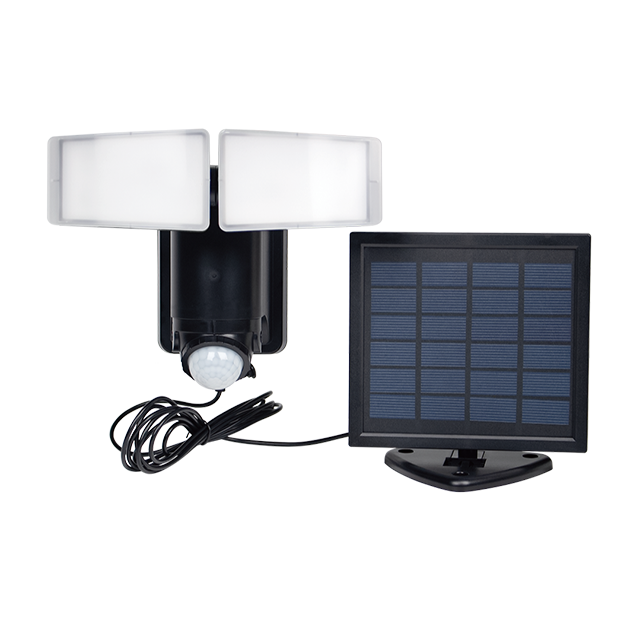
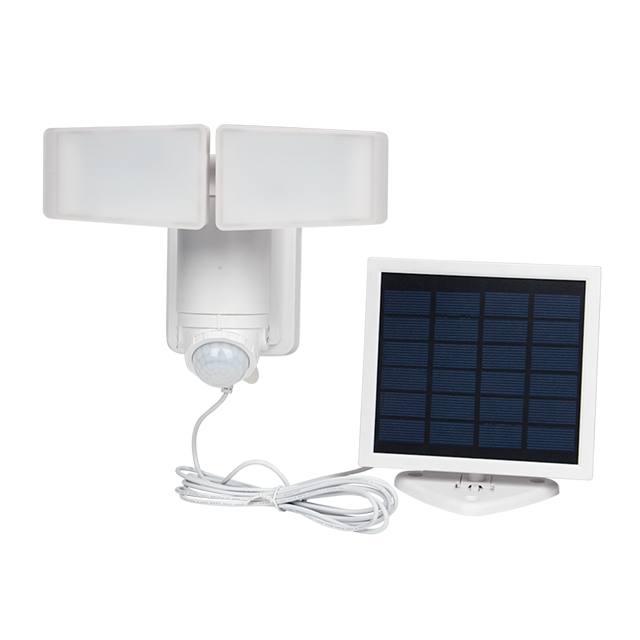
Solar Wall Light

In modern landscape design, solar path lights are not only a lighting tool but also a key element to enhance the beauty of gardens, yards, or pathways. Choosing the right solar path lights can add ambiance, improve safety, and create layers and depth in your landscape design. This article explores how to select the most suitable solar path lights based on landscape design needs, helping you create a beautiful and functional outdoor space.
The first step is to clarify the lighting functions you need in your landscape design. Different solar path lights have varying brightness and lighting effects. When selecting, consider the intensity of light and whether you need more concentrated or softer lighting. For example, brighter lights may be suitable for illuminating walkways or paths, while softer lighting can create a romantic or cozy atmosphere for decorative purposes.
Additionally, consider the lighting range of the solar path lights. For large lawns or gardens, more lights may be required to cover the entire area. For smaller yards or paths, fewer lights may be sufficient, but ensure their brightness is adequate.
Solar path lights come in various designs, which can be selected based on your landscape style. For example, if your garden adopts a modern minimalist style, choose solar path lights with simple lines and contemporary materials, such as stainless steel or aluminum alloy, to seamlessly integrate with the overall design. For a more natural or rustic look, opt for lights with wooden or traditional copper exteriors, which blend well with surrounding greenery and natural elements.
Additionally, the shape and color of the lights should complement the surrounding environment. For example, silver or white solar lights on grass or stone paths create a fresh contrast, while warm-colored lights in a garden enhance a cozy and natural atmosphere.
Since solar path lights are exposed outdoors, they need to withstand various weather conditions. Therefore, durability and weather resistance are crucial when selecting. Check if the materials are waterproof, UV-resistant, heat-resistant, and corrosion-resistant. Stainless steel and aluminum alloys are highly corrosion-resistant and ideal for humid or coastal areas, while glass lights work best in warm climates, ensuring light transparency.
Also, ensure that the lights' batteries and solar panels can maintain high efficiency under prolonged sunlight exposure. Choosing solar panels with high conversion efficiency and lights with high waterproof ratings ensures that the lights perform well in rainy, snowy, or high-temperature environments.
When selecting solar path lights, consider the installation location carefully. Strategically placing lights along pathways, flowerbeds, and pond edges enhances their lighting effect at night. At the same time, ensure that the lights receive adequate sunlight during the day, avoiding shaded areas under trees or buildings that could affect solar panel efficiency.
As solar path lights are designed to be eco-friendly and energy-efficient, it is important to choose lights with high energy efficiency. Lights with high-efficiency light sources (such as LED lights) maximize solar energy usage, increasing brightness and extending usage time. Additionally, LED lights are more energy-efficient and have longer lifespans, reducing maintenance costs.
Some high-quality solar path lights also come with smart features, such as automatic brightness adjustment based on surrounding light levels or automatic on/off functions, improving convenience and energy-saving performance.
Budget is an important factor when selecting solar path lights. Premium brands often offer better durability and design but come at a higher price. For consumers with a limited budget, mid-range solar path lights can still provide basic functionality and quality, such as light source type, durability, and battery life.
Choosing cost-effective solar path lights allows you to meet lighting needs while ensuring long-term durability, making them the ideal choice for many consumers.
Copyright © Ningbo Loyal Lighting Technology Co., Ltd. All Rights Reserved.
 Wholesale Solar Garden Lights Manufacturers