
 EN
EN
 English
 Français
 Español

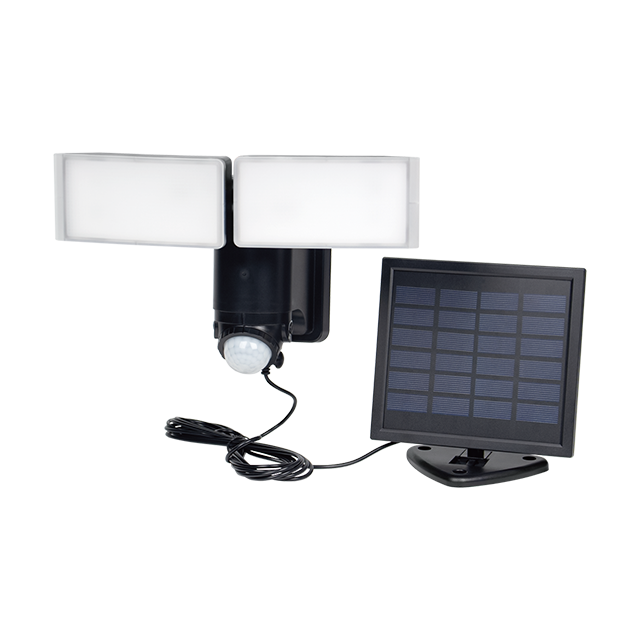
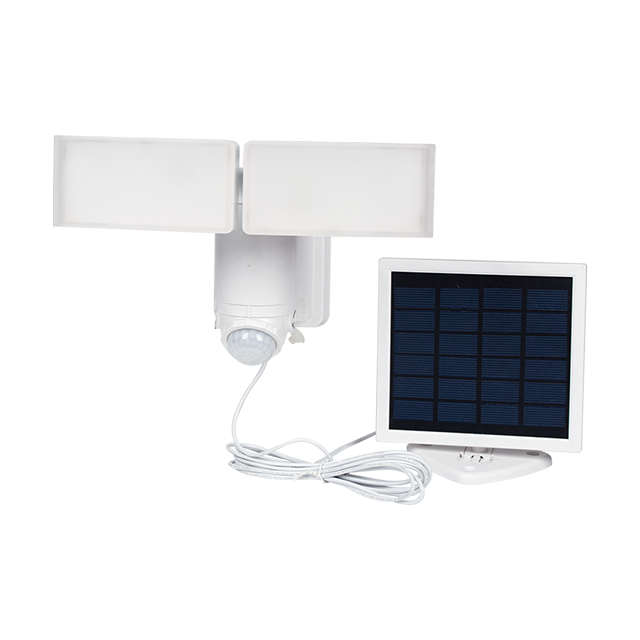
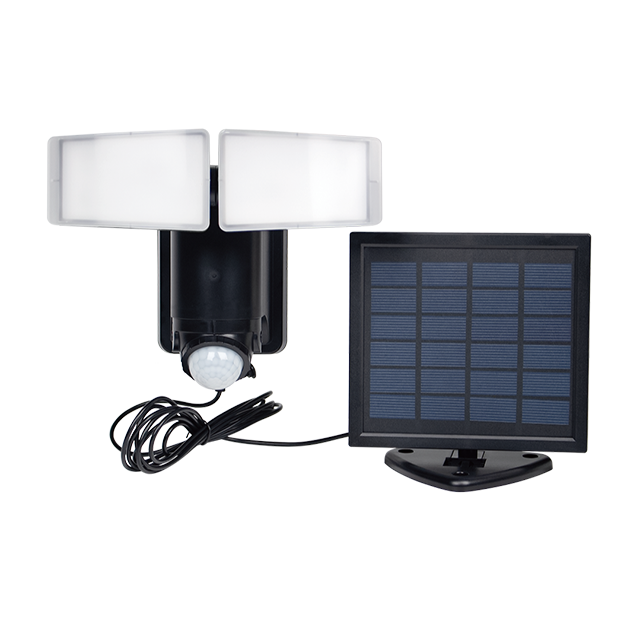
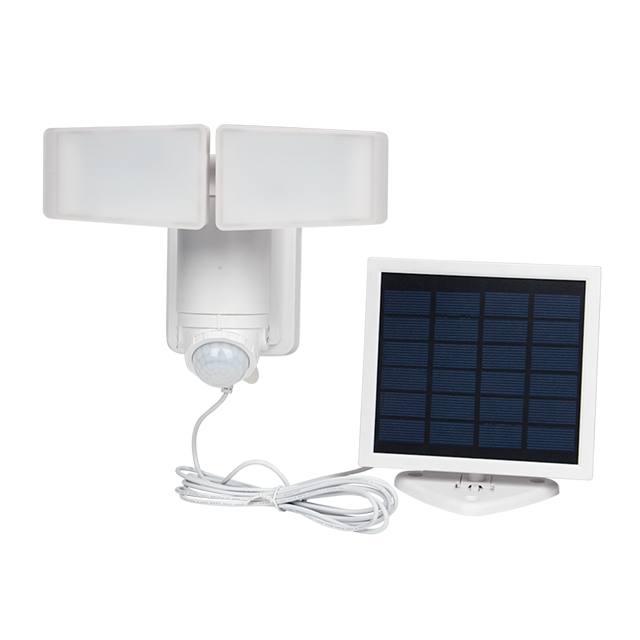
Solar Wall Light

In modern architectural design and exterior lighting projects, the stability and energy efficiency of outdoor lighting systems directly affect the security and aesthetic quality of the environment. Traditional wired fixtures are gradually being replaced by high-efficiency solar systems due to complex wiring requirements and high electricity costs. As a preferred solution for building facades, fences, and pathway lighting, various intelligent fixtures are undergoing technological iterations to meet more demanding all-weather outdoor usage requirements.
Evaluating a high-standard solar wall lights outdoor system depends on photoelectric conversion efficiency, energy storage density, and light output configuration. Modern high-quality fixtures generally use Monocrystalline Silicon solar panels, with conversion efficiencies reaching 21% to 23%, ensuring continuous power replenishment for the internal battery even in low-light or overcast conditions.
Regarding light source configuration, solar powered led wall light products utilize high-lumen, low-energy LED chips. This allows the fixtures to output high-intensity luminous flux while consuming minimal power. For areas requiring specific landscape ambiance or high-security illumination, the installation convenience of wall mounted solar lights makes them an ideal choice for facade retrofitting. These fixtures can be fixed directly to concrete, brick, or wooden pillars, eliminating the costs of piping and professional electricians.
In practical applications, constant lighting often leads to rapid battery depletion. Therefore, the solar sensor wall light, integrated with intelligent control systems, has become the key to extending endurance. These fixtures typically integrate PIR (Passive Infrared) motion sensors and light sensors to achieve fully automatic "dusk-to-on, dawn-to-off" operations.
Through built-in Adaptive Lighting Systems (ALS technology), solar powered wall lights can dynamically adjust output power based on remaining battery capacity. For instance, during consecutive rainy days when battery levels are low, the control chip automatically reduces base lumen output but activates 100% brightness instantly when motion is detected. This intelligent logic ensures Solar Wall Lights provide essential security lighting for several days even in harsh weather.
| Technical Indicators | Professional Engineering Standards | Standard Consumer Grade |
| Luminous Flux | 800 lm - 2000 lm (Dynamic) | 100 lm - 300 lm (Fixed) |
| Battery Type and Lifespan | LiFePO4 / >2000 cycles | Ternary Lithium or Ni-MH / 300-500 cycles |
| Sensor Range (PIR) | 120 deg angle, 5 - 8 meters | 90 deg angle, 2 - 3 meters |
| Material and Protection | Die-cast Aluminum + Anti-UV PC / IP65 | Standard ABS Plastic / IP44 |
| Working Temperature | -20C to 60C | 0C to 40C |
Building exteriors are exposed to sunlight, rain, UV radiation, and seasonal temperature fluctuations, which places high demands on the industrial design and housing materials of solar exterior wall lights.
Firstly, the Ingress Protection (IP) rating is critical. Professional-grade fixtures used for facades must possess IP65 or higher to ensure internal electronic components and battery compartments do not fail due to water seepage during heavy rain. Secondly, the use of die-cast aluminum alloys and high-strength optical lenses provides the impact resistance necessary for outdoor durability.
Simultaneously, for private gardens, landscape balconies, and high-end community green belts, solar garden wall lights focus more on light direction and aesthetic integration. By using full cutoff optical designs, light is precisely projected downwards or against the wall, providing ample illumination for steps and paths while avoiding glare and reducing light pollution.
Copyright © Ningbo Loyal Lighting Technology Co., Ltd. All Rights Reserved.
 Wholesale Solar Garden Lights Manufacturers