
 EN
EN
 English
 Français
 Español

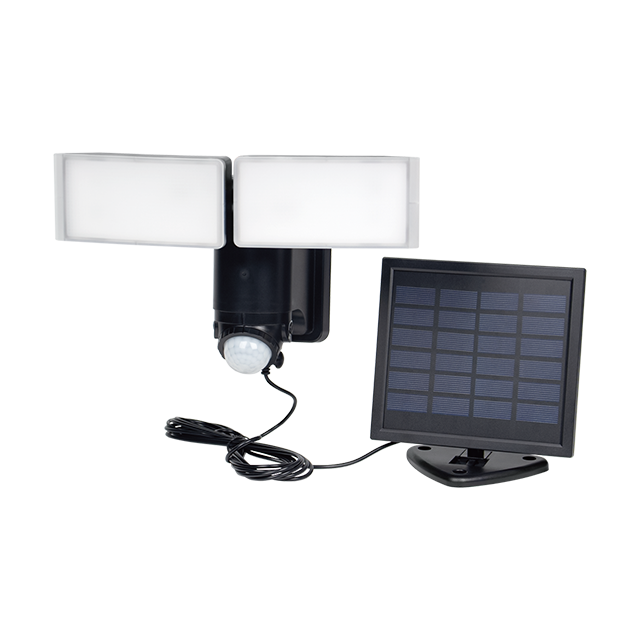
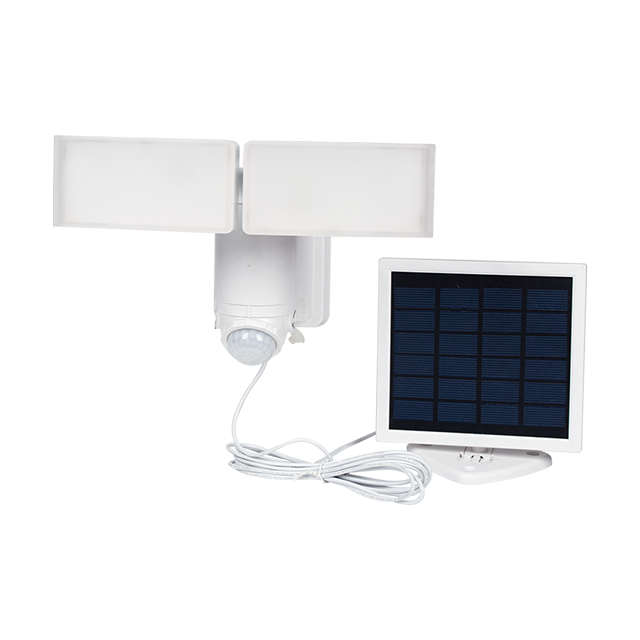
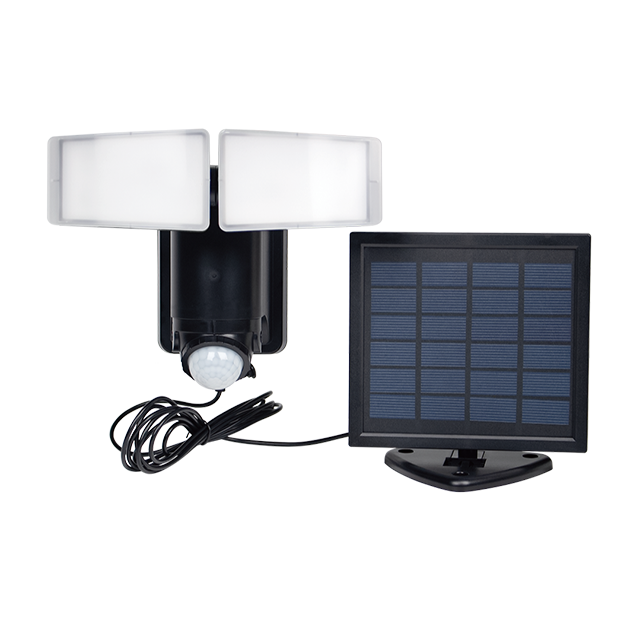
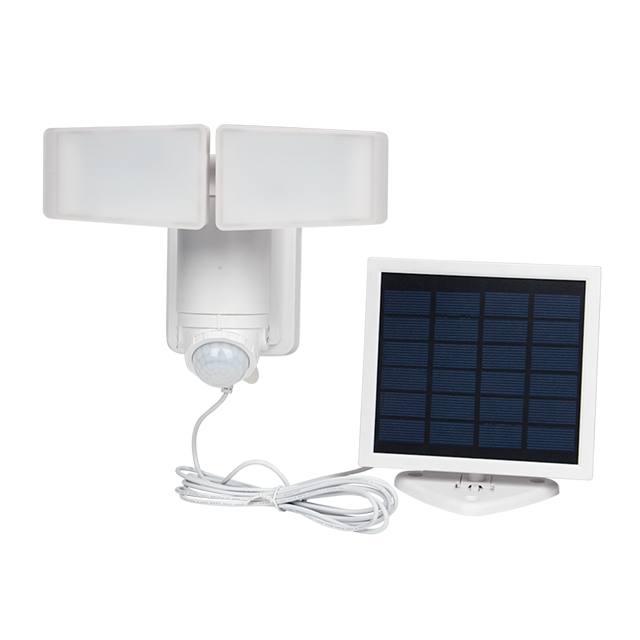
Solar Wall Light

In the context of global energy transition and low-carbon architectural development, high-efficiency lighting systems have become the core of public facilities and private residential design. From industrial-grade solar powered street lights to solar pathway lights outdoor commonly used in residential areas, modern photovoltaic lighting technology has not only made major breakthroughs in energy utilization but also established a set of rigorous technical standards in intelligent control and durability.
A high-performance solar street lights outdoor system is mainly composed of photovoltaic panels, energy storage batteries, controllers, and light sources. Currently, the mainstream all in one solar street light adopts a design scheme that highly integrates all components. This structure effectively shortens the circuit transmission distance and reduces internal resistance loss.
At the photoelectric conversion level, the conversion efficiency of monocrystalline silicon photovoltaic modules has generally reached over 21%, ensuring that led solar street light can still obtain sufficient raw power even under limited light intensity. Combined with large-capacity Lithium Iron Phosphate (LiFePO4) battery packs, the cycle life can reach more than 2000 times, which is significantly better than traditional lead-acid batteries.
To address the problem of uneven energy distribution, the solar induction street lamp introduces Passive Infrared (PIR) or microwave sensing technology. This technology allows the luminaire to operate at low brightness when no pedestrians or vehicles pass by, and instantly switch to 100% full power output when a moving target is detected.
This intelligent adjustment mechanism is particularly important for commercial solar street lights. In large industrial parks or remote road sections, solar induction technology can extend the battery life, ensuring the system maintains stable lighting for 3-5 consecutive rainy days, solving the core reliability challenge of off-grid systems.
For landscape and walkway design, the application of modern solar path lights focuses on light uniformity and environmental integration. Unlike the high brightness requirements of street lamps, solar walkway lights emphasize color rendering index (CRI) and anti-glare design.
Light Distribution Design: High-quality solar sidewalk lights use asymmetric light distribution lenses to precisely cover the walkway and reduce light pollution.
Protection Level: Due to long-term outdoor exposure, the protection level of solar path lights must reach IP65 or above to resist rain erosion and dust accumulation.
Voltage Safety: low voltage pathway lights do not require deep trenching for wiring during installation, and the low-voltage DC system avoids the risk of leakage, making them a safe choice for private courtyards and public squares.
To more intuitively understand the parameter differences of equipment in different application scenarios, the following table lists the typical technical indicators of commercial street lamps and path lighting:
| Technical Parameters | commercial solar street lights | solar pathway lights outdoor |
| Light Source Type | High Brightness SMD LED Chip | Low Power High CRI LED |
| Rated Power | 50W - 200W | 0.5W - 5W |
| Lumen Output | 6000lm - 24000lm | 50lm - 500lm |
| PV Panel Power | 60W - 180W (Monocrystalline) | 2W - 10W (Mono/Poly) |
| Battery Capacity | 250Wh - 1200Wh (Lithium) | 1.2Wh - 10Wh (Ni-MH/Li) |
| Installation Height | 6m - 12m | 0.3m - 0.8m |
| Sensing Mode | Smart Power Reduction + Microwave/PIR | Light Sensor Auto-On |
When installing solar powered street lights, the light angle and obstructions are key factors affecting charging efficiency. In the Northern Hemisphere, it is generally recommended that photovoltaic panels face true south, and the inclination angle should be precisely calculated based on local latitude to obtain maximum light intensity in winter.
Furthermore, for home and lighting solar street light systems, regular maintenance cannot be ignored. Although the light source life of led solar street light is as long as 50,000 hours, dust accumulation on the surface of the photovoltaic panel will reduce power generation by 15%-25%. By choosing solar street lights with self-cleaning angle designs, the frequency of manual maintenance can be effectively reduced, ensuring the system remains in optimal operating condition.
Whether deploying solar street lights outdoor on a large scale on urban arteries or decorating residential areas with modern solar path lights, the continuous evolution of photoelectric technology is making solar lighting more efficient and economical. Through precise parameter matching and scientific layout design, these lighting systems provide safety while adding technical beauty to modern landscapes.
Copyright © Ningbo Loyal Lighting Technology Co., Ltd. All Rights Reserved.
 Wholesale Solar Garden Lights Manufacturers