
 EN
EN
 English
 Français
 Español

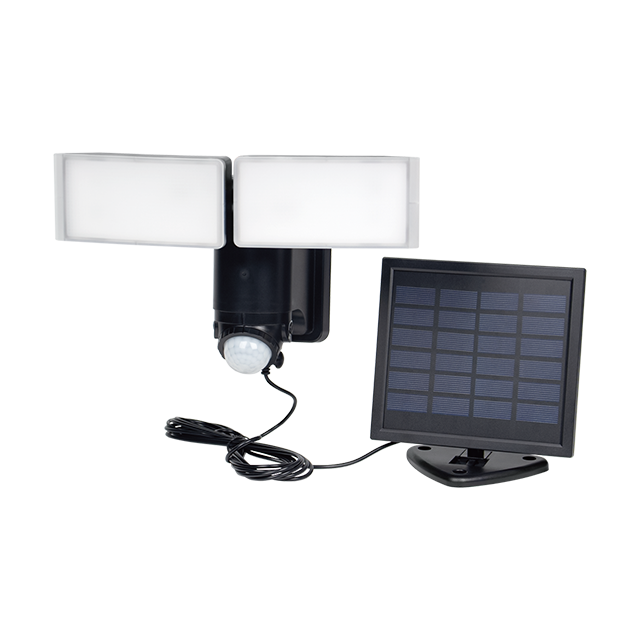
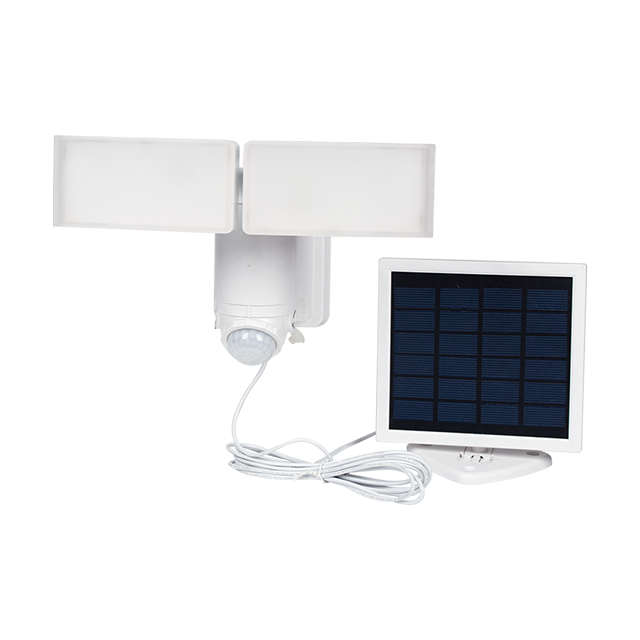
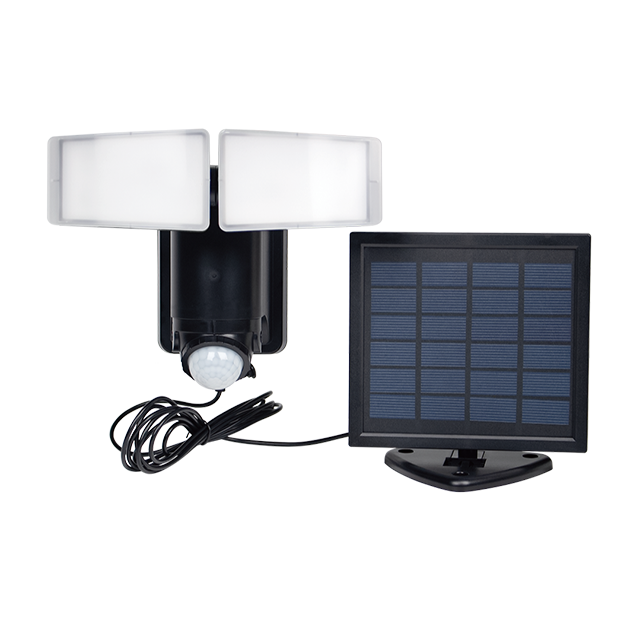
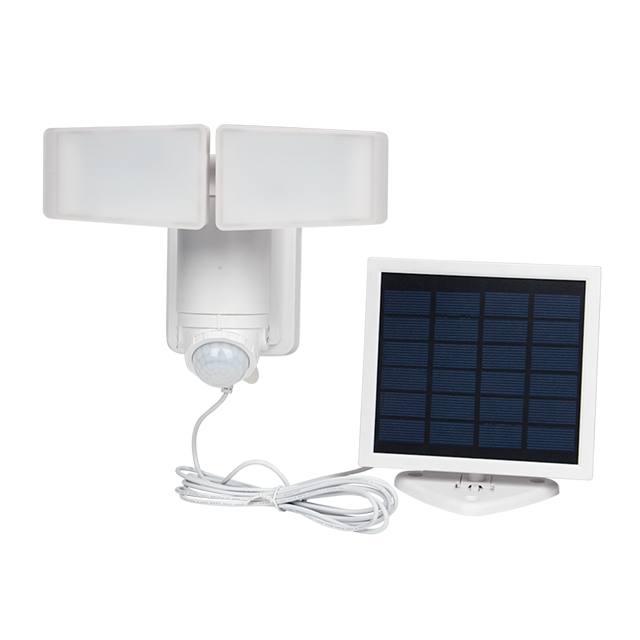
Solar Wall Light

Solar Path Lights are designed to withstand complex outdoor environments, providing reliable illumination across diverse climate conditions. The operating temperature range and storage temperature range are essential parameters for evaluating the durability and stability of these fixtures. Temperature tolerance affects not only the LED performance but also the solar panel efficiency, battery behavior, electronic circuitry stability, and material endurance. Different battery chemistries, housing materials, and optical structures contribute to variations in temperature adaptability. Understanding the temperature specifications helps users assess the long-term reliability of Solar Path Lights in various outdoor applications.
Solar Path Lights are continuously exposed to sunlight, rain, snow, and temperature fluctuations. Most products are designed with an operating temperature range of –20°C to 60°C. This range accommodates the majority of global outdoor environments. Low temperatures reduce battery discharge efficiency, often leading to lower LED brightness. High temperatures accelerate the aging of electronic components. An operating range of –20°C to 60°C enables Solar Path Lights to function reliably in residential gardens, commercial landscapes, public walkways, and outdoor recreational areas. Higher-grade models engineered with advanced materials can operate within –30°C to 70°C, meeting the demands of extremely cold climates or regions with intense sunlight exposure.
The battery system in Solar Path Lights typically consists of Ni-MH batteries, lithium-ion batteries, or LiFePO₄ lithium iron phosphate batteries. Ni-MH batteries offer stable performance across wider temperature ranges. Lithium-ion batteries experience noticeable capacity reduction in low-temperature environments. LiFePO₄ batteries provide excellent thermal stability, supporting reliable operation between –20°C and 60°C. Solar Path Lights equipped with LiFePO₄ batteries maintain better performance in cold regions, ensuring consistent nighttime illumination. Battery chemistry is a key determinant of the fixture’s overall temperature tolerance.
LEDs perform efficiently in cooler temperatures but undergo increased light decay in high-temperature environments. Most Solar Path Lights use low-power LEDs in the 0.2–1 W range, capable of operating effectively within –20°C to 60°C without significant changes in luminous output. In hot climates, LED modules rely on passive cooling features built into the lamp housing. Aluminum housings or heat-dissipation structures improve thermal management. Plastic housings may experience heat accumulation above 50°C, potentially reducing LED efficiency. LED stability under temperature fluctuations directly influences long-term lighting quality.
Solar Path Lights primarily use monocrystalline or polycrystalline solar panels. These panels exhibit strong high-temperature resistance, often functioning beyond 70°C. Cold environments do not hinder electrical generation, though low-light conditions can reduce charging efficiency. High temperatures may slightly lower photovoltaic conversion efficiency, but solar panels continue to provide consistent energy input. The temperature tolerance of solar panels typically exceeds that of batteries, making the battery system the limiting factor in overall temperature performance.
Solar Path Lights require broader storage temperature ranges than operating ranges to accommodate shipping, warehousing, and long-term non-use conditions. The typical storage temperature range is –30°C to 80°C. This range supports seasonal storage and withstands extreme logistics environments. Battery degradation is a concern in extreme temperatures. Ni-MH and LiFePO₄ batteries tolerate low-temperature storage well. Lithium-ion batteries require caution when stored below 0°C. Solar panels and LEDs remain structurally stable within –30°C to 80°C. Housing materials such as ABS and PC maintain their mechanical strength and UV resistance within these limits.
The housing material significantly influences the thermal durability of Solar Path Lights. ABS can become brittle below –20°C. PC materials demonstrate superior impact resistance and low-temperature tolerance. Aluminum housings maintain stability under both high and low temperatures. Waterproof structures such as IP65 or IP67 enclosures protect against moisture but require effective heat dissipation pathways to prevent internal heat buildup. The combined performance of housing materials, internal brackets, optical covers, and sealing processes defines the temperature resilience of the entire product.
Solar Path Lights behave differently in various climate environments. In cold regions, battery efficiency decreases, reducing illumination duration. In hot climates with prolonged sunlight exposure, internal temperatures can rise significantly. Cold-region temperatures of –25°C to –30°C challenge certain battery systems. Tropical and desert regions often exceed 60°C ground temperatures, imposing additional stress on housings and electronic components. High-specification Solar Path Lights with extended temperature ranges perform more reliably in these demanding environments.
The operating and storage temperature ranges of Solar Path Lights determine their reliability and suitability for long-term outdoor installation. A stable temperature profile ensures consistent illumination in both hot and cold conditions. The operating temperature range reflects real-world performance, while the storage temperature range ensures safe handling during transport and seasonal storage. Solar Path Lights with wide temperature tolerances can adapt to diverse global climates, delivering dependable outdoor lighting performance. These temperature specifications provide users with enhanced confidence in the product’s safety, durability, and long-term operational stability.
Copyright © Ningbo Loyal Lighting Technology Co., Ltd. All Rights Reserved.
 Wholesale Solar Garden Lights Manufacturers