
 EN
EN
 English
 Français
 Español

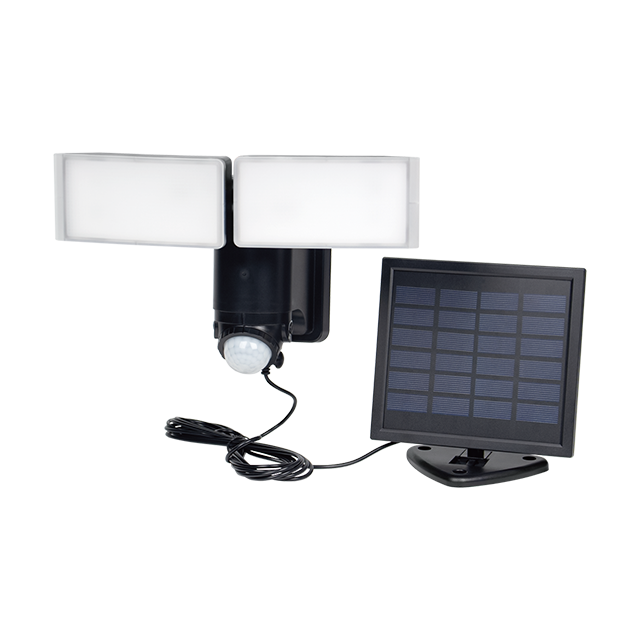
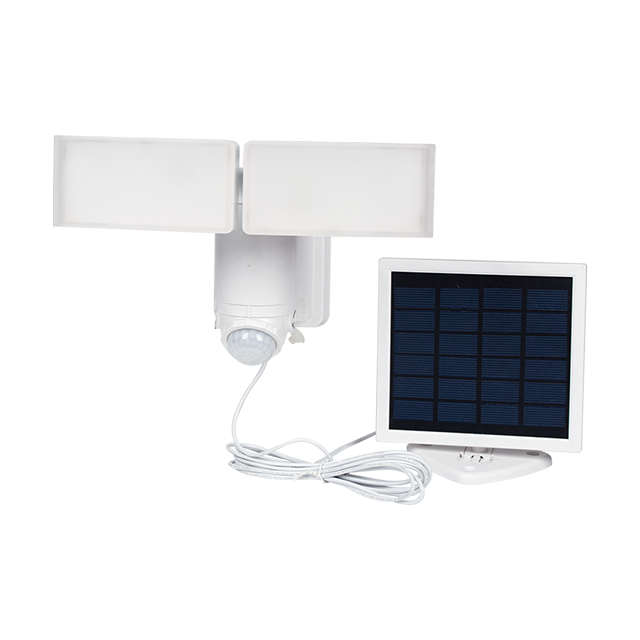
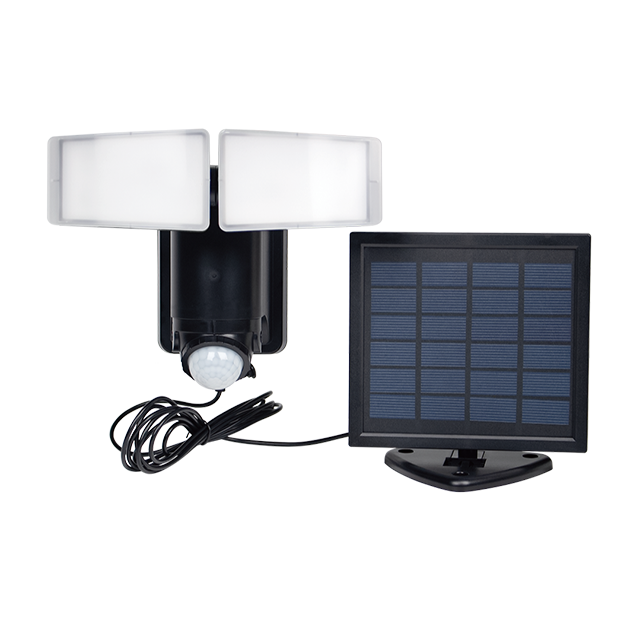
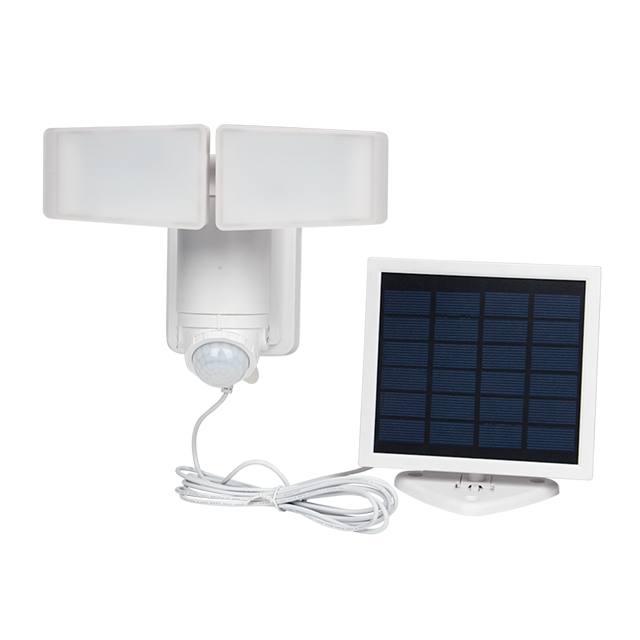
Solar Wall Light

The housing material of solar outdoor wall lights plays a crucial role in determining the durability, performance stability, and lifespan of the fixtures. Outdoor environments are often harsh, exposing lights to wind, rain, direct sunlight, and dust. The choice of material affects waterproofing, corrosion resistance, and UV protection, while also influencing the aesthetic appeal and installation adaptability. High-quality materials enhance user experience and ensure reliable operation even in extreme weather conditions.
Aluminum alloy is one of the most commonly used materials for solar outdoor wall light housings. Its low density makes the lights lightweight and easy to install. Surface treatments such as powder coating or anodization improve corrosion resistance. Aluminum alloy also has excellent thermal conductivity, helping to dissipate heat generated by LED chips and prolonging their lifespan. Additionally, aluminum surfaces can be crafted into various designs and colors, meeting diverse decorative needs.
Stainless steel offers exceptional corrosion resistance and mechanical strength, making it ideal for coastal areas or regions with heavy rainfall. The 304 and 316 grades are commonly used, with 316 providing superior salt spray resistance. Stainless steel housings can withstand wind, sand, acid rain, and UV exposure, maintaining a polished appearance over time. The trade-off is higher cost and heavier weight, requiring secure mounting during installation.
High-performance plastics such as ABS and PC are widely used in solar wall light construction. Plastic housings are lightweight, cost-effective, and easily molded into complex shapes. PC (polycarbonate) is transparent and impact-resistant, ideal for lamp covers to maximize light transmission. ABS is often used for structural components, offering UV resistance and anti-aging properties. Plastics are suitable for residential gardens, patios, or terraces, but prolonged exposure to sunlight may cause minor cracking or discoloration unless UV-stabilized materials are chosen.
Some high-end solar wall lights use a combination of aluminum alloy and plastic. Aluminum provides structural strength and heat dissipation, while plastic reduces weight and production costs. Composite designs enhance weather resistance and impact durability, while allowing more flexibility in aesthetic design, combining functionality with visual appeal.
Outdoor wall lights typically have an IP65 or higher rating. Housing material significantly affects water and dust resistance. Aluminum and stainless steel housings, when precisely manufactured, prevent rainwater from entering the internal components. Plastic housings can incorporate molded seals and silicone gaskets to achieve reliable waterproofing. Material selection combined with engineering design ensures long-term operational stability in all weather conditions.
LEDs, while energy-efficient, generate heat during prolonged operation. The thermal conductivity of the housing material directly affects heat dissipation. Aluminum quickly transfers heat from LED chips to the external surface, lowering temperatures and extending LED lifespan. Stainless steel has moderate thermal conductivity, with thicker housings storing heat and stabilizing temperature fluctuations. Plastic has lower thermal conductivity, often requiring additional heat sinks or ventilation channels to maintain safe operating temperatures.
High-quality housing materials also address environmental concerns. Aluminum and stainless steel are recyclable, aligning with modern green building and eco-friendly practices. Plastic housings require durable or recyclable materials to minimize waste. Composite housings with modular designs allow component replacement, extending overall fixture life and reducing environmental impact.
Copyright © Ningbo Loyal Lighting Technology Co., Ltd. All Rights Reserved.
 Wholesale Solar Garden Lights Manufacturers