
 EN
EN
 English
 Français
 Español

.png?imageView2/2/w/325/h/325/format/jpg/q/75)
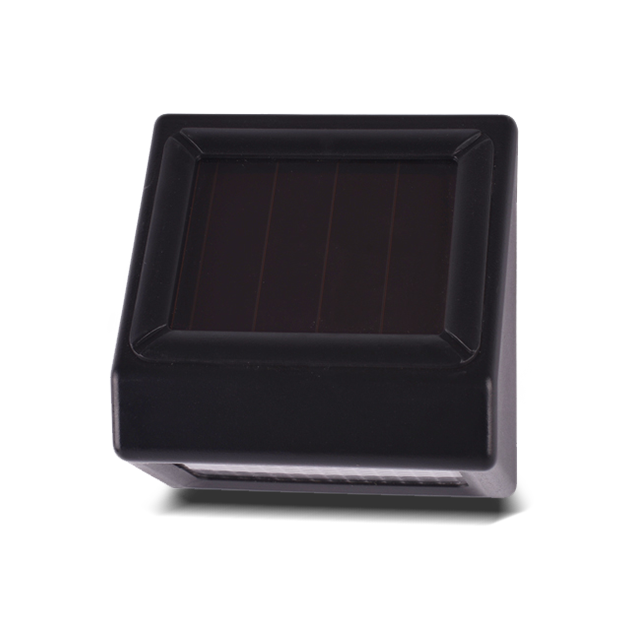
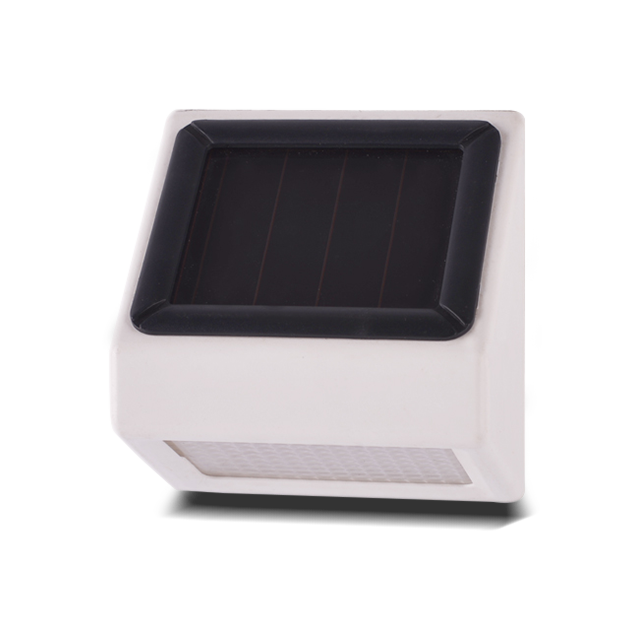
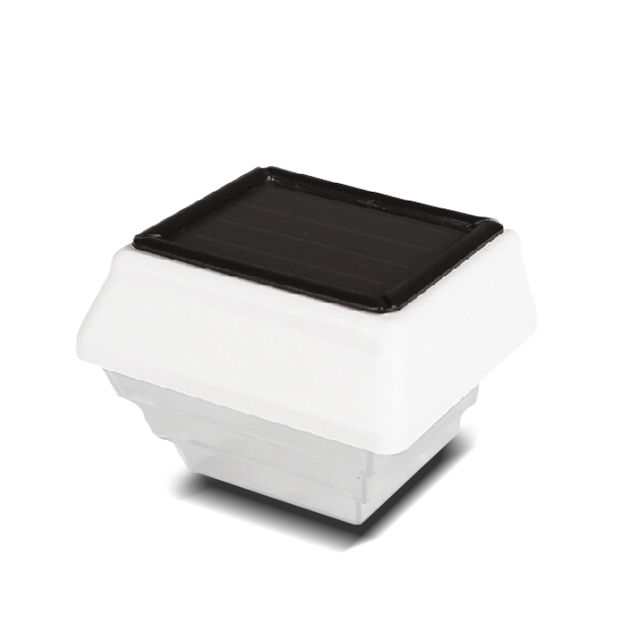
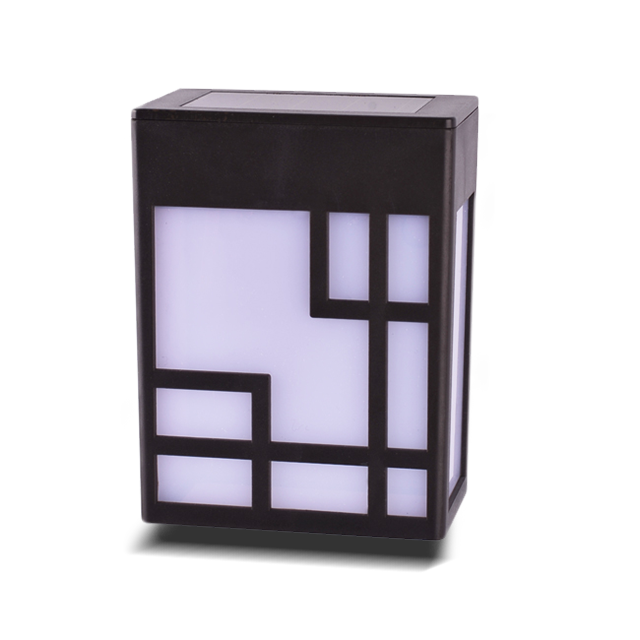
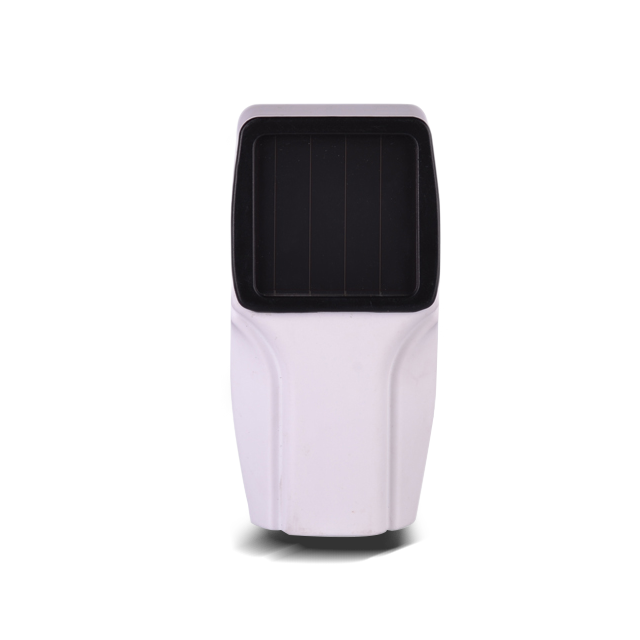
Core Product Advantages
True Indoor Lighting
Split system allows the light to function effectively inside dark, covered areas.
High Utility Lumen Output
Provides functional, non-ambient light sufficient for working or searching tasks.
Remote Control Operation
Allows easy activation and mode switching without needing to reach the fixture.
Utility and Security: Off-Grid Indoor Illumination Solutions
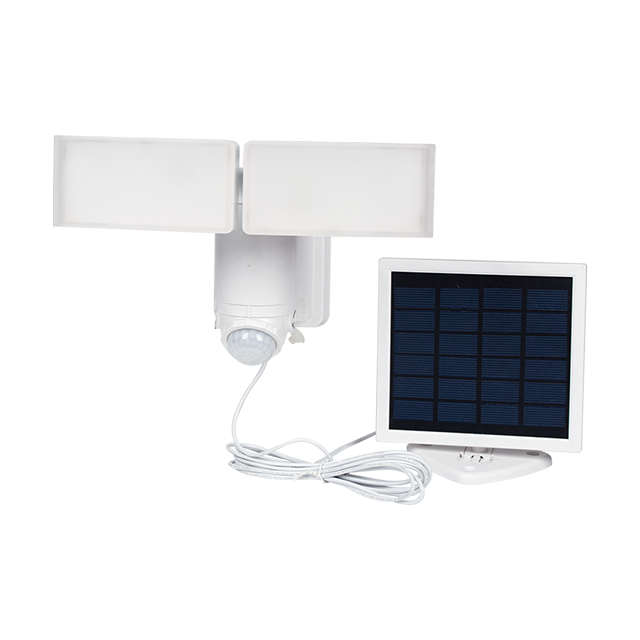
Solar Shed Lights (Remote) are specialized utility lighting systems designed to provide internal illumination for structures that lack grid electricity, such as garden sheds, storage barns, workshops, chicken coops, and remote garages. The "Remote" designation is crucial: it signifies a split system where the solar panel is external and mounted in direct sunlight, while the light fixture itself is installed inside the structure, connected via a long, weather-sealed cable (typically 3 to 5 meters).
This split architecture overcomes the fundamental limitation of integrated solar lights, which cannot charge indoors. The robust external panel (Monocrystalline, often 3W to 8W) charges a high-capacity Li-ion or LiFePO4 battery housed either within the light fixture or a separate control box. These systems are designed for functionality and utility, providing higher lumen output (typically 150 to 500 LM) than ambient accent lights, making them suitable for task lighting, finding tools, or quick security checks.
Key features differentiating high-quality shed lights include: 1. Controllability: Since the light is indoors, it requires a manual control mechanism. This is often an integrated pull cord switch, a simple ON/OFF switch on the fixture, or, in more advanced models, a remote control. 2. Durable Components: The cable connecting the panel to the light must be UV-resistant and weather-sealed (IP65 connector rating). The panel housing should be sturdy aluminum or reinforced glass.
3. Flexible Mounting: The internal light fixture is usually a simple dome or linear bar using surface-mount technology (SMT) LEDs, and it comes with basic screws or adhesive backing for easy installation on wood or metal framing. 4. Extended Run-time: Users rely on these lights to function on demand. Therefore, the battery capacity must be large enough to sustain multiple activations over several dark days, or run for a continuous period (e.g., 4 hours) for working in the space.
The target market for Solar Shed Lights is individuals with large, non-electrified properties, gardening enthusiasts, and small business owners needing lighting in remote storage units. These lights offer a safe, low-voltage alternative to running dangerous, unpermitted wiring. Security applications are also common, where the light is triggered by a door sensor or remote, quickly illuminating intruders or providing safe entry.
Suppliers must emphasize the total length and quality of the cable, the verifiable lumen output, and the battery technology used, as these factors directly translate to user satisfaction and performance longevity, especially during periods of heavy use or poor weather.
Technical Specifications (300 LM Remote System)
| Product Series | NL-SSL-Shed-Remote |
| Light Source | SMD LED Bar/Dome (Wide Beam) |
| Nominal Power | 3.0W |
| Lumen Output (Utility) | 300 - 500 LM (Adjustable Modes) |
| CCT Range | 6000K (Cool White) - Functional |
| Solar Panel | External Monocrystalline, 5V/3W |
| Battery Type | Li-ion 18650, 3.7V/4000mAh |
| Cable Length | 3 to 5 Meters (UV-Protected) |
| Control Method | Pull Chain Switch / Remote Control |
| IP Rating | Panel: IP65; Light Fixture: IP44 |
get in touch with us
Shed Light Installation & Warranty
1
Panel Mount
Secure the panel on the exterior roof or a wall with maximum sun exposure.
2
Cable Run
Drill a small hole for the cable, run it through, and seal the entry point thoroughly with silicone caulk.
3
Light Fix
Mount the light fixture inside using screws or the provided adhesive and connect the cable to the fixture/control box.
Comprehensive Application Scenarios
Garden Tool Sheds and Storage Units
Providing quick, bright light for finding tools and accessing stored items.
Small Workshops and Garages
Task lighting for hobbyists or quick repairs in areas without electrical access.
Tents, Canopies, and Gazebos
Hanging the light inside large outdoor structures for evening use.
Commercial Project Snapshot
| Minimum Order Quantity (MOQ) | 4,000 Units (Hardware/Utility Supply) |
| Lead Time (Typical) | 25 Working Days |
| Packaging | Kit Box Highlighting Cable Length, Lumen Output, and Remote Functionality |
| Certifications | CE, RoHS, IP65 (Panel/Cable), FCC (Remote Control) |
| Raw Materials Focus | Li-ion 18650, High-Wattage Monocrystalline Panels, UV-Sealed Cable, ABS/PC Light Housing |
| Customization Options | Cable Length, Lumen Output, Battery Capacity, Control Method (Pull Chain vs. Remote), Hybrid USB Charging Port |
ABOUT US
Solar Product Solutions
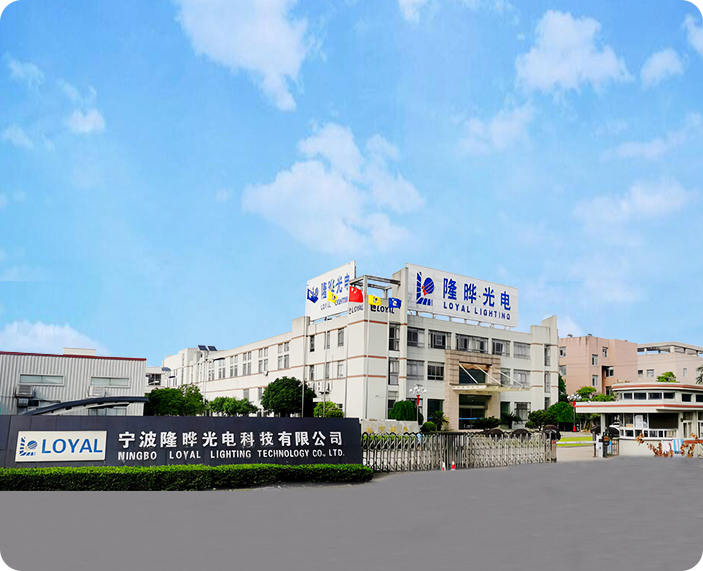
Ningbo Loyal Lighting Technology Co., Ltd. established in 2013, is a professional China Solar Shed Lights (Remote) Manufacturers and Wholesale Solar Shed Lights (Remote) Factory, engaged in the solar related products, such as solar garden light, solar street light, solar power system and so on. It is located in Ningbo with convenient transportation and dedicated to strict quality control and thoughtful customer service. Our experienced staff members are always concerned to customers’ requirements and responsible to present the satisfied products. Our principle is, “To produce what customer need really and to serve how customer satisfy fully.”
EXPLORE MORE
Customization
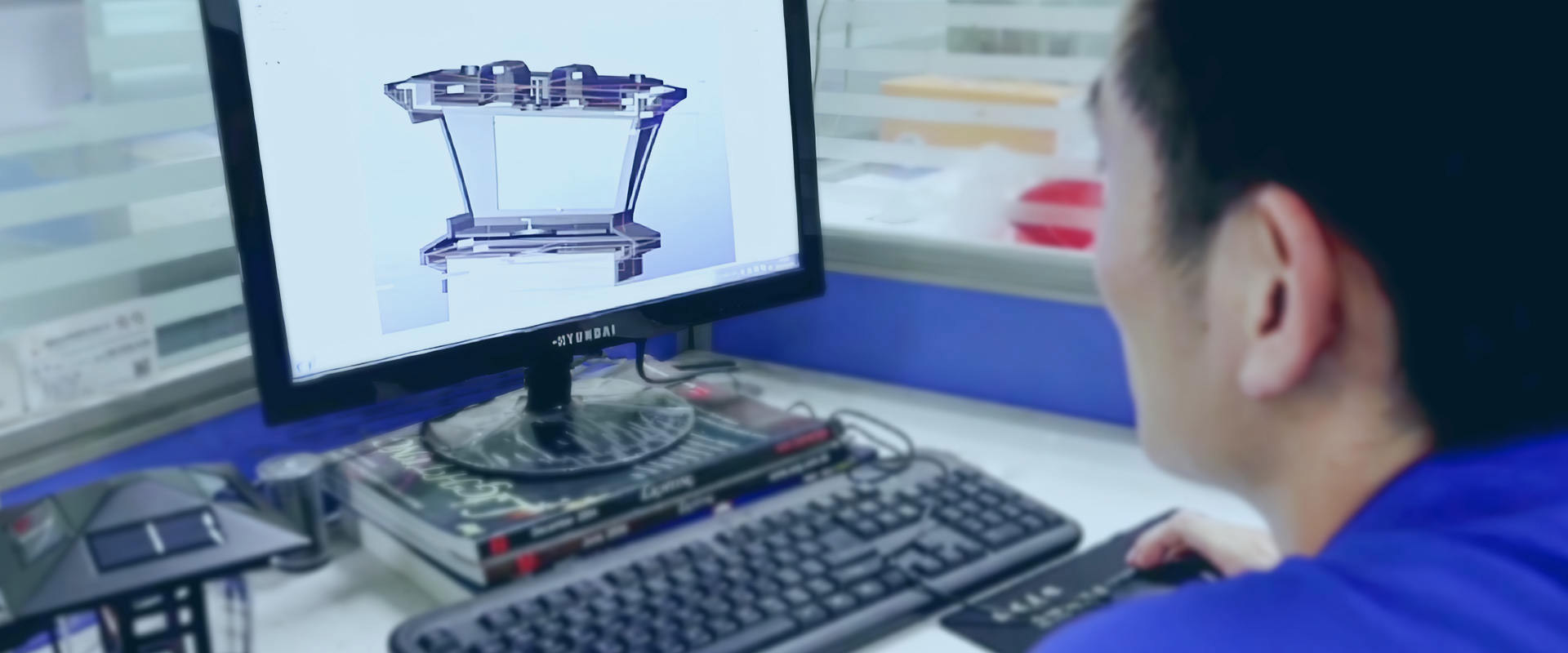
We have a strong R&D team,we can develop and produce products according to the drawings or samples customers provide.
Quality
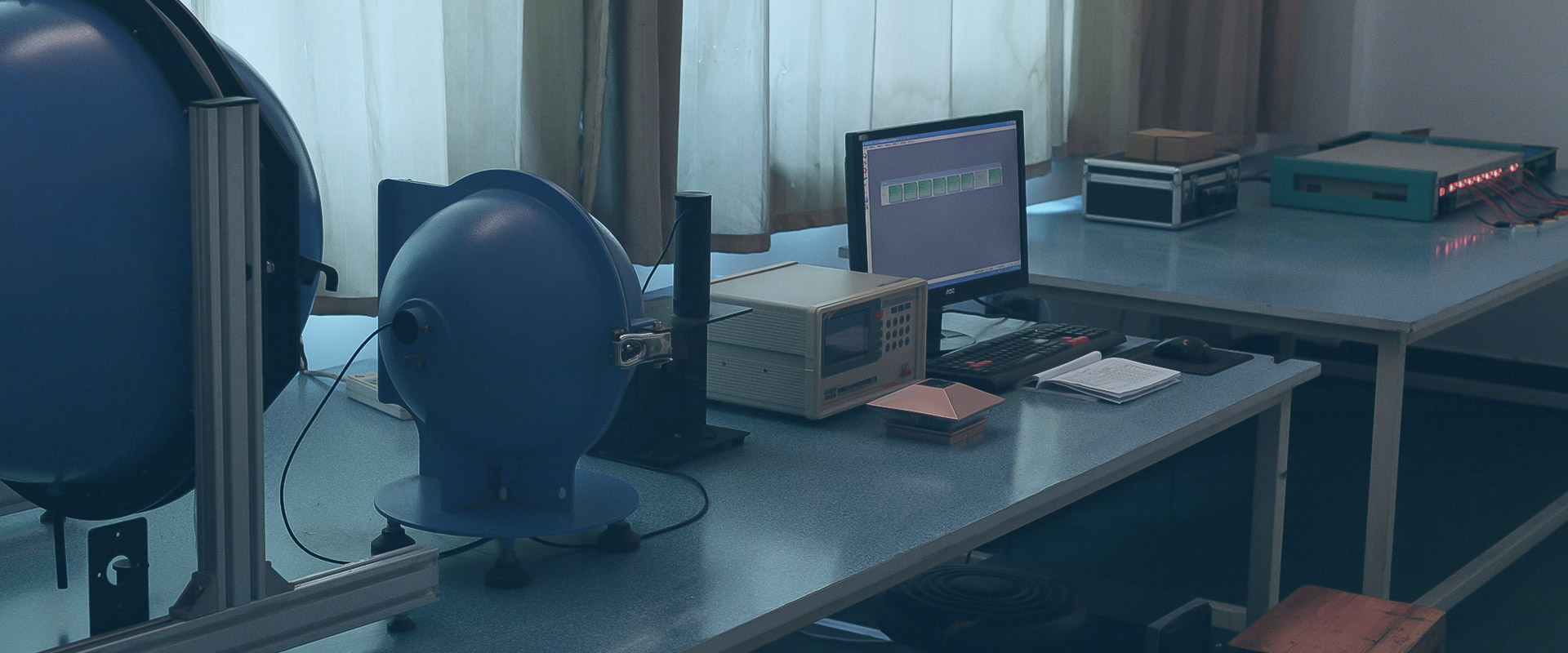
We have our own testing lab and the advanced and complete inspection equipment,which can ensure the quality of the products.
Advanced Equipment
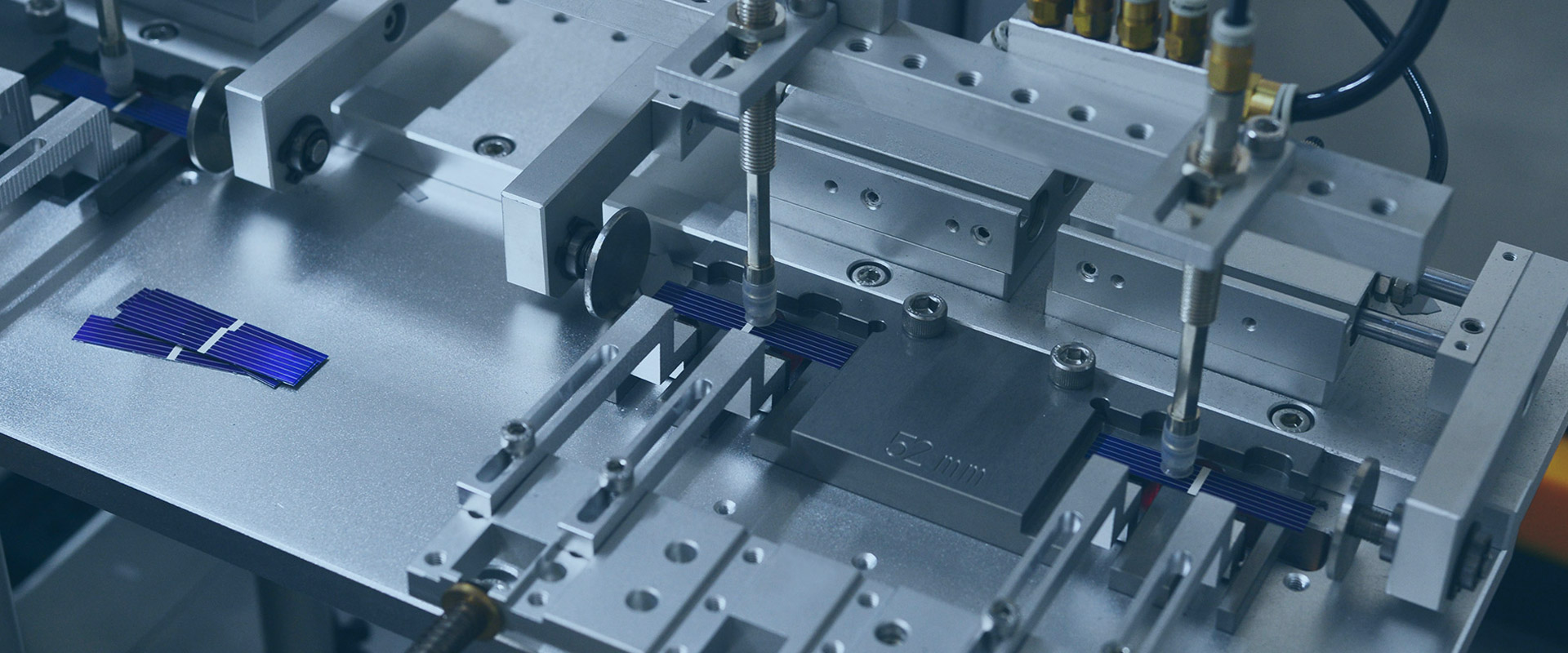
We covers the entire production process, from solar cell cutting to the testing of finished solar product. We wholly own solar panel production line and guarantee all the solar panels used to the products are qualified.
-
 1
1Customization
-
 2
2Quality
-
 3
3Advanced
Equipment
Frequently Asked Questions (FAQ)
Q: Can the internal light fixture get wet?
A: The light fixture is typically rated IP44, meaning it is resistant to splashing water, but it is not designed for direct exposure to rain or high humidity environments.
Q: Is the 5-meter cable long enough for a large barn?
A: 5 meters is typically sufficient for a standard 10x10 foot shed. Larger structures may require placing the panel closer to the wall or choosing a model with a longer cable option (e.g., 8 meters).
Q: Why is Cool White (6000K) CCT generally used?
A: Cool white light has a higher Kelvin rating, which is perceived as brighter and is better for functional, utility, and task-oriented lighting than warm white.
Q: Can I connect two light fixtures to one solar panel?
A: Generally no, unless the kit is specifically designed as a dual-head system. Attempting to split the panel output will drastically reduce the voltage and runtime for both lights.
Q: What is the estimated battery life (in years)?
A: High-quality Li-ion 18650 batteries used in these systems are rated for 300 to 500 charge cycles, equating to approximately 2-4 years of typical use before noticeable capacity loss.
Q: How large of a hole do I need to drill for the cable?
A: You only need to drill a hole slightly larger than the cable connector, usually 1 to 1.5 cm in diameter. Always seal the hole immediately after passing the cable.
Q: Will the light turn on automatically at dusk?
A: No. Unlike automatic outdoor lights, shed lights typically include a manual switch (or remote) because they are designed to be used on demand, even during the day.
Q: Can I charge the light indoors using a standard USB cable?
A: Only specific hybrid models include a USB input for auxiliary charging. Most are designed to be charged exclusively by the dedicated solar panel.
Q: What is the main benefit of using a remote control?
A: Convenience. The remote allows the user to turn the light on immediately upon entering the structure and switch modes (high/low/off) without touching the fixture.
Q: Does the solar panel come with its own mounting bracket?
A: Yes. All remote shed light kits include an adjustable bracket for the panel, allowing it to be angled for maximum solar harvest.
