
 EN
EN
 English
 Français
 Español

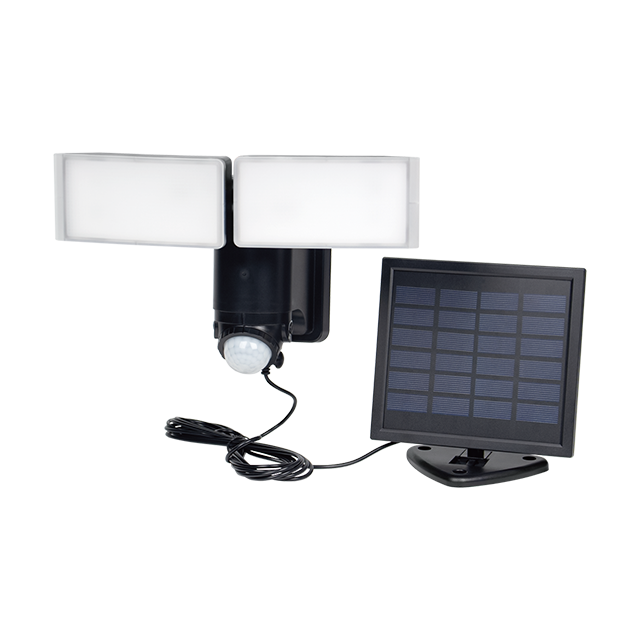
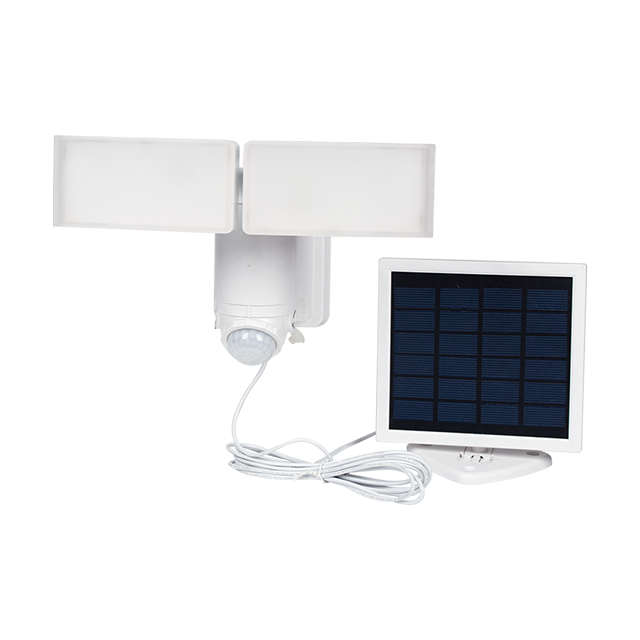
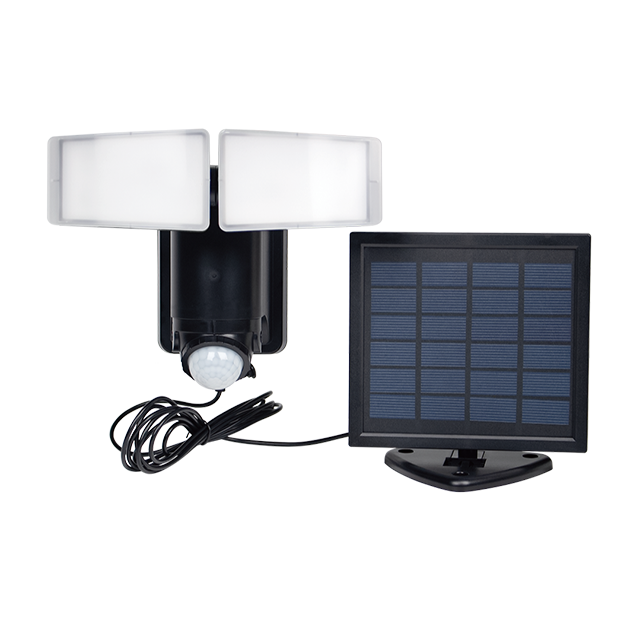
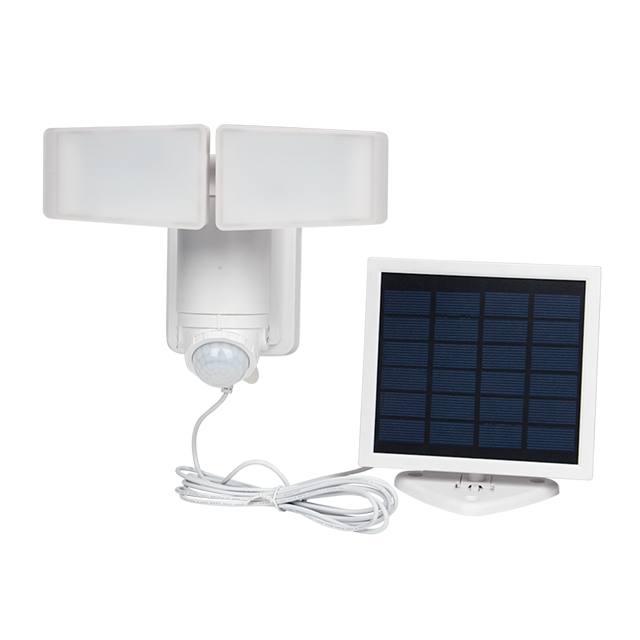
Solar Wall Light

To understand whether Solar Outdoor Wall Lights are a worthy investment, one must first analyze the internal technology. Modern solar wall lights have evolved far beyond the "dim and fragile" reputation of the past, thanks to breakthroughs in four key technical areas:
Early solar lights often utilized polycrystalline panels, but in modern high-performance Solar Outdoor Wall Lights, Monocrystalline Silicon has become the standard. Monocrystalline panels typically offer conversion efficiencies of over 20%, meaning they can capture more photons even on cloudy days or during limited daylight in winter.
The battery is the heart of any Solar Outdoor Wall Lights. Two primary battery technologies currently dominate the market: Lithium-ion (Li-ion) and Lithium Iron Phosphate (LiFePO4).
Modern Solar Outdoor Wall Lights generally employ high-lumen, low-energy LED chips. Compared to traditional bulbs, these LEDs convert 90% of electrical energy into visible light rather than heat, ensuring the fixture can remain illuminated for 10–12 hours on a limited battery charge.
Most Solar Outdoor Wall Lights now feature integrated PIR (Passive Infrared) Motion Sensors. This technology allows the light to stay in a dim "energy-saving mode" when no one is around, instantly switching to 100% brightness when heat-source movement is detected within 5–8 meters, extending battery life while enhancing security.
To help you visualize the differences in the market, here is a comparison table of core parameters:
| Technical Indicator | Decorative/Ambient | Functional Lighting | Advanced Security/Sensor |
| Typical Lumens | 5 - 50 lm | 100 - 300 lm | 400 - 1000+ lm |
| Battery Type | Ni-MH or Li-ion | Li-ion | LiFePO4 |
| Solar Panel Type | Polycrystalline | Monocrystalline | High-efficiency N-Type Mono |
| Waterproof Rating | IP44 - IP54 | IP65 | IP65 - IP67 |
| Sensing Mode | Light Sensitive Only | Constant Brightness | PIR Motion Sensing |
| Life Expectancy | 1 - 2 Years | 2 - 3 Years | 5+ Years |
| Primary Use | Patio ambiance | Hallways, entrances | Garage security, large areas |
While initial prices may vary, the long-term economic benefits of Solar Outdoor Wall Lights far outweigh traditional wired fixtures.
Suppose you install ten 10W traditional outdoor lights. Operating 10 hours a day, they consume roughly 365 kWh annually. Based on global average electricity rates, this is a significant recurring cost. Conversely, the operating cost of Solar Outdoor Wall Lights is zero.
This is the biggest hidden cost advantage:
Expert Tip: While high-quality Solar Outdoor Wall Lights have a slightly higher upfront cost (30%-50% more than budget models), their longer battery life and durable housing result in a much lower cost per year of use.
In the realm of outdoor lighting, Solar Outdoor Wall Lights have broken the chains of traditional wiring, serving as multifunctional components that enhance quality of life.
For existing homes, adding outdoor lights often means damaging walls or expensive electrical renovations. Solar Outdoor Wall Lights solve this pain point:
Solar Outdoor Wall Lights are the core of low-cost home security:
Every Solar Outdoor Wall Lights unit is a mini-power system. By reducing reliance on fossil-fuel electricity, long-term use significantly lowers a household's carbon footprint.
Despite the many advantages, you must face the physical limitations of Solar Outdoor Wall Lights to make an informed decision:
Performance is highly dependent on peak sunlight hours.
Unlike wired lights with constant current, the brightness of Solar Outdoor Wall Lights may decrease as the battery drains. After consecutive rainy days, the lights may turn off early or operate at very low brightness.
| Evaluation Dimension | Solar Outdoor Wall Lights | Traditional Wired Wall Lights |
| Initial Installation | Very Low (DIY, zero labor) | High (Requires wiring/electrician) |
| Brightness | Moderate (Battery limited) | High (Constant grid power) |
| Operating Cost | Zero Electricity Cost | Ongoing electricity bills |
| Flexibility | Extremely High (Install anywhere) | Limited by cable length |
| Weather Impact | High (Affected by clouds/snow) | Low (Unless the power goes out) |
| Maintenance | Medium (Clean panels/change battery) | Low (Change bulbs occasionally) |
| Eco-Friendliness | Extremely High (100% Renewable) | Depends on power source |
To choose a durable and sufficiently bright Solar Outdoor Wall Lights unit, you must look past surface data at the core configurations.
In traditional lighting, we look at wattage, but in Solar Outdoor Wall Lights, Lumens are the only true measure of brightness.
High-quality Solar Outdoor Wall Lights require balance:
Recommendation: Install symmetrically on both sides of the door. Height: 1.5 - 1.8 meters (5-6 feet). This aligns with eye level, illuminating faces without creating harsh glare.
Recommendation: Use Solar Outdoor Wall Lights with a "dim + motion-activated full bright" mode. Spacing: Install every 2–3 meters to ensure light overlapping and eliminate blind spots.
Recommendation: Install above the garage door or at wall corners. Height: 2.5 - 4 meters (8-13 feet). This provides a wider field of view for the sensor and prevents tampering.
Short Answer: Yes, but efficiency is significantly lower. Deep Dive: Solar panels capture diffused light through clouds. However, efficiency may drop to 10% - 25% of sunny-day levels. Choosing a model with Monocrystalline panels helps mitigate this.
Short Answer: 2–5 years; most high-quality models allow for replacement. Deep Dive: Ni-MH lasts 1–2 years, Li-ion lasts 2–3 years, and LiFePO4 lasts 5+ years. Look for "Battery Replaceable" in the specs.
Short Answer: Physical properties and environmental factors. Deep Dive: Shorter days reduce charging time, while low temperatures temporarily reduce battery activity. Performance at 25°C is 100%, at 0°C is ~80%-90%, and at -20°C is ~50%-60%.
Short Answer: Generally 1.8 to 3 meters, depending on the purpose. Deep Dive: For atmosphere, 1.5 meters is best. For security, 2.5–3 meters provides the best sensor range.
Short Answer: No. Deep Dive: All Solar Outdoor Wall Lights have a built-in light sensor. They automatically trigger "Dusk-to-Dawn" operation, charging during the day and activating when ambient light falls below roughly 10-20 Lux.
Copyright © Ningbo Loyal Lighting Technology Co., Ltd. All Rights Reserved.
 Wholesale Solar Garden Lights Manufacturers