
 EN
EN
 English
 Français
 Español

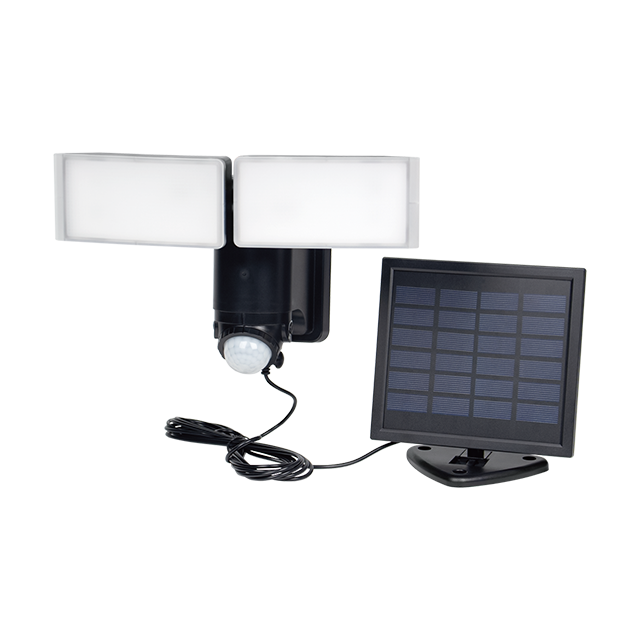
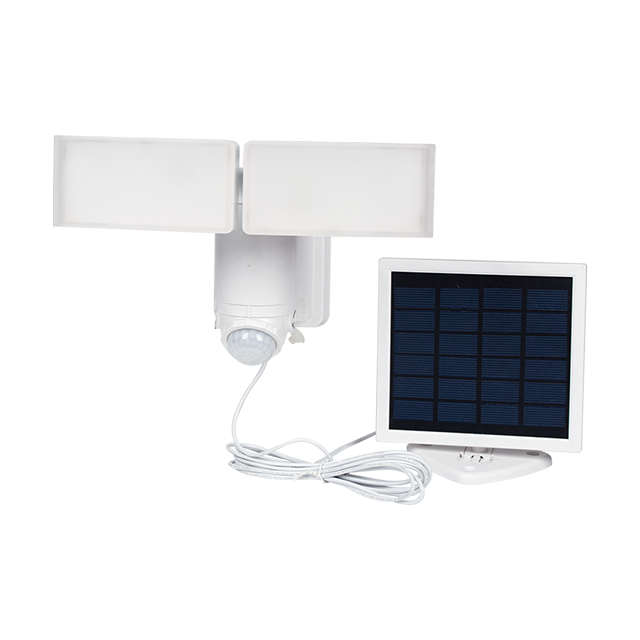
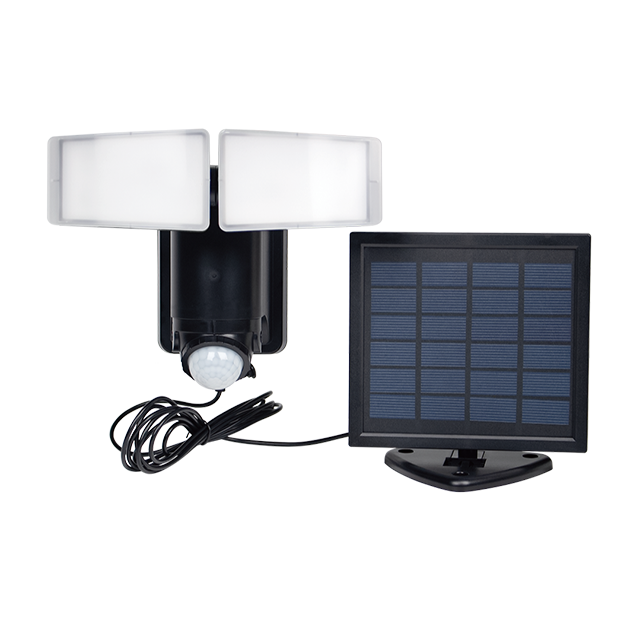
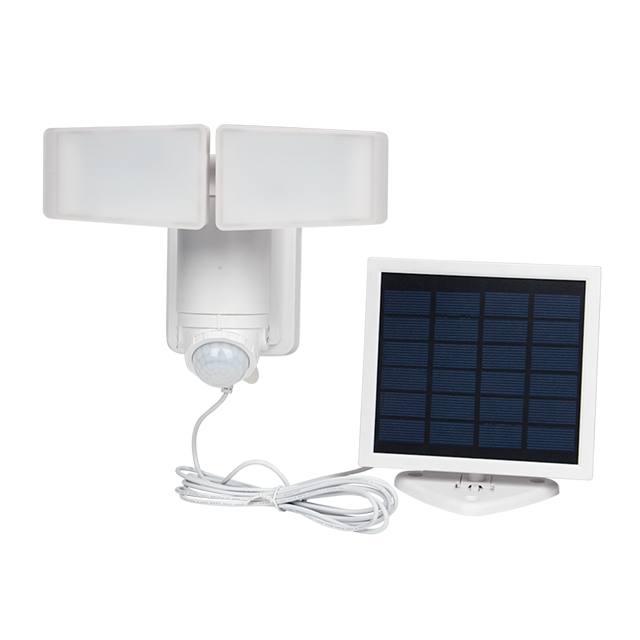
Solar Wall Light

As environmental awareness grows and energy costs rise, solar outdoor wall lights have become a popular choice for modern outdoor lighting. Compared to traditional electric wall lights, solar wall lights offer unique advantages in terms of energy efficiency, installation, and maintenance. However, there are also some drawbacks. This article provides a detailed comparison of solar outdoor wall lights and traditional electric wall lights to help consumers make more informed decisions.
One of the most significant advantages of solar outdoor wall lights is their reliance on solar energy. These lights are powered by the sun, converting sunlight into electrical energy through solar panels during the day. The energy is stored in built-in batteries and used to power the lights at night. Since solar lights do not require external power sources, they help reduce electricity bills and minimize carbon emissions, making them a more eco-friendly lighting option.
In contrast, traditional electric wall lights depend on external electricity sources, whether from an electrical grid or a generator. This constant reliance on external power results in higher electricity consumption and ongoing costs. Additionally, in regions where energy production relies on fossil fuels, traditional electric wall lights contribute to environmental pollution and a larger carbon footprint.
Solar outdoor wall lights are incredibly easy to install. They require no wiring or complex electrical setup. All that is needed is to place the light in a sunny location where the solar panel can capture enough sunlight. This makes them perfect for areas with unreliable or no access to electricity. Solar lights can be installed in gardens, patios, walkways, or anywhere natural light is available.
Traditional electric wall lights, however, require wiring and a direct power connection. Installation can be more complicated, often requiring professional electricians to ensure safe and proper setup. In areas without existing electrical outlets, installing traditional lights can be expensive and labor-intensive. Additionally, any repairs related to electrical connections or wiring require professional intervention.
Solar outdoor wall lights have minimal maintenance needs. The solar panels and LED lights typically have long lifespans. Regular cleaning of the solar panel is usually enough to maintain optimal performance. The batteries used in solar lights generally last between 3 to 5 years and can be replaced easily by the user. There are no complex wiring or electrical components to manage, reducing maintenance concerns.
Traditional electric wall lights require more frequent maintenance. Issues such as damaged wiring, faulty lightbulbs, or power outages may necessitate professional repairs. While modern electric wall lights use long-lasting LED bulbs, they still rely on the electrical grid and often require bulb replacement, which adds to the ongoing maintenance costs.
One of the drawbacks of solar outdoor wall lights is their dependency on sunlight. If there is continuous overcast weather or several days of rain, the solar panel may not be able to charge the batteries fully, leading to reduced lighting performance at night. Furthermore, solar lights are generally designed with energy efficiency in mind, which means their brightness may be lower compared to traditional electric lights, especially in large areas.
Traditional electric wall lights, however, provide more reliable and consistent lighting. Since they are powered directly from the electrical grid, they can provide high brightness regardless of weather conditions. This makes them ideal for spaces requiring bright and uniform lighting, such as roads, garages, or large outdoor areas.
Although solar outdoor wall lights may have a higher initial cost due to the quality of solar panels and LED lights, their long-term operating costs are virtually zero. Once installed, there is no need to pay for electricity, making them a cost-effective option over time. As solar technology continues to advance, the price of solar wall lights has become more affordable, making them a viable option for homeowners looking to save on energy bills.
Traditional electric wall lights are typically less expensive upfront, but their long-term operating costs are higher. Since they require constant electricity from the grid, users will continue to incur costs for power consumption. The cost of electricity may fluctuate, further increasing long-term expenses. In comparison to solar lights, the overall cost of traditional electric wall lights is higher due to energy usage and the need for frequent maintenance.
With advancements in solar technology, modern solar outdoor wall lights are becoming more aesthetically pleasing. Many solar lights are designed with stylish and contemporary features that can complement various outdoor environments. The solar panel is often discreetly integrated into the design, maintaining a clean and attractive look. This allows solar lights to blend seamlessly with garden decor, patios, and outdoor furniture.
Traditional electric wall lights may be less visually appealing due to their reliance on external wiring and power connections. The presence of visible cables and plugs can create a cluttered or less visually attractive installation. Additionally, the design of traditional electric lights may not always match modern outdoor aesthetics, especially in contemporary or minimalistic garden settings.
Since solar outdoor wall lights do not require electrical wiring, they pose less of a safety risk. There are no exposed electrical connections, making them safe to use in wet or damp outdoor environments. The risk of electric shock or fire is greatly reduced, making solar lights a safer option, especially for homes with children or pets.
Traditional electric wall lights are inherently riskier because they rely on electrical wiring. Exposed wires or faulty installations can lead to electric shocks or even fire hazards. The presence of electrical components in outdoor environments increases the risk of accidents, particularly in areas with high moisture or extreme weather conditions.
Copyright © Ningbo Loyal Lighting Technology Co., Ltd. All Rights Reserved.
 Wholesale Solar Garden Lights Manufacturers