
 EN
EN
 English
 Français
 Español

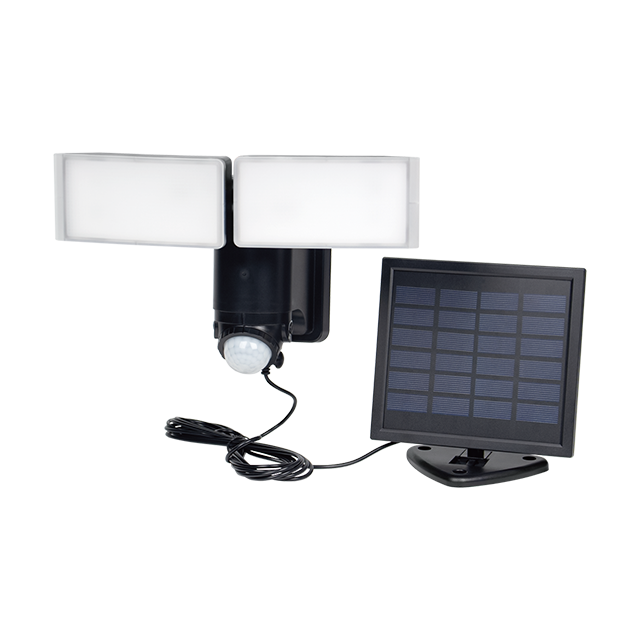
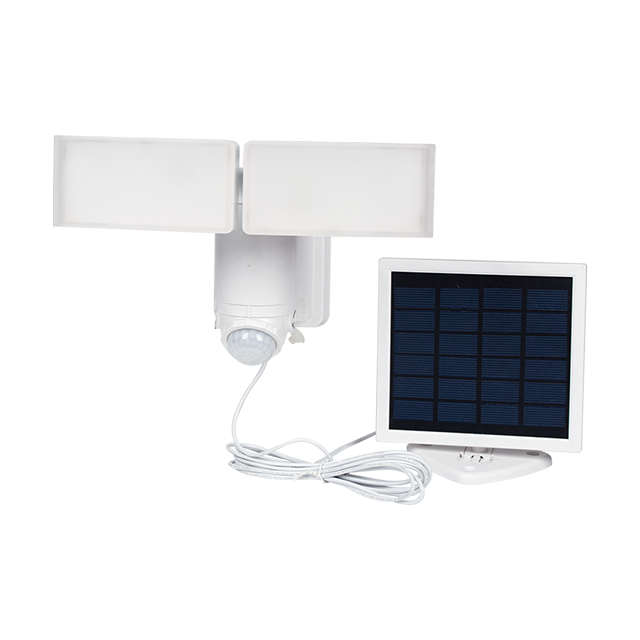
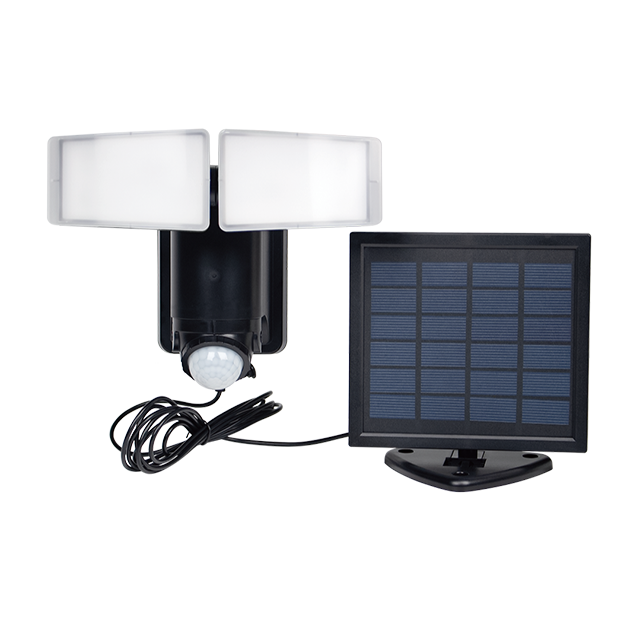
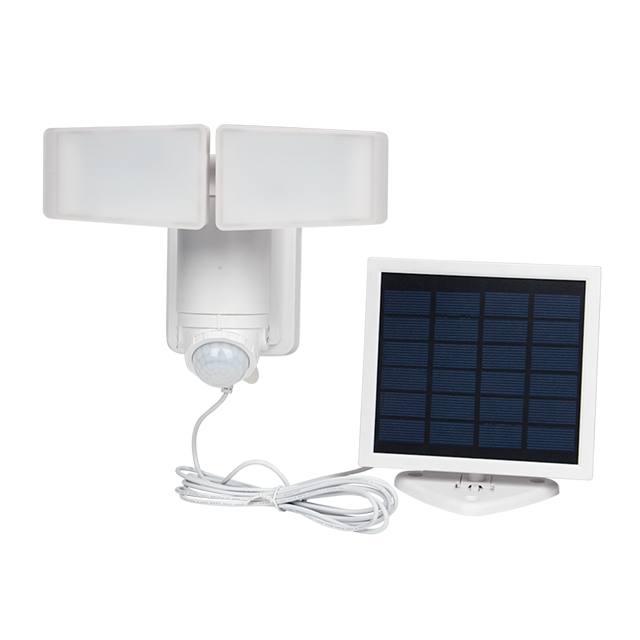
Solar Wall Light

Solar outdoor wall lights are increasingly becoming the preferred lighting solution for residential and commercial outdoor spaces due to their eco-friendly, energy-saving, and easy installation features. However, the performance of these lights is influenced by various factors. Understanding these factors helps consumers make informed decisions when choosing and using solar wall lights. This article will explore the key factors influencing the performance of solar outdoor wall lights, including solar panel efficiency, battery capacity, climate conditions, lamp design, and installation location.
The efficiency of the solar panel is one of the most critical factors affecting the performance of solar outdoor wall lights. Solar panels are responsible for converting sunlight into electrical energy, and their efficiency directly determines how much energy the light can absorb during the day. Most solar panels on the market use materials such as monocrystalline silicon, polycrystalline silicon, and thin-film. Each material has a different energy conversion efficiency. Monocrystalline silicon panels are the most efficient, making them ideal for areas with weaker sunlight, while polycrystalline and thin-film panels offer more cost-effective options but with lower efficiency.
The efficiency of the solar panel also depends on factors such as its surface area, design angle, and whether it is shaded. If the solar panel is covered with dust, leaves, or snow, its ability to absorb sunlight will be significantly reduced, leading to insufficient charging of the battery and a decrease in the performance of the solar light.
The capacity and type of the battery used in solar outdoor wall lights also play a significant role in their performance. Solar batteries store the electrical energy collected by the solar panels during the day and power the light at night. The capacity of the battery determines how long the light can operate without sunlight. Generally, a larger battery capacity results in longer illumination time.
Common types of batteries used in solar lights include nickel-metal hydride (NiMH), lithium, and lead-acid batteries. Lithium batteries are often the preferred choice for high-performance solar lights due to their high energy density, long lifespan, and fast charging speed. NiMH batteries are more cost-effective but have a shorter lifespan and capacity. The quality and capacity of the battery directly affect the reliability of the solar light, especially in situations where sunlight is insufficient or weather conditions are poor.
Climate conditions are an essential factor affecting the performance of solar outdoor wall lights. Solar lights rely on sunlight to charge, so the intensity and duration of sunlight directly determine how effectively the lights charge. In regions with abundant sunlight, solar lights perform optimally, with large amounts of energy collected during the day and enough light provided at night.
However, in areas with frequent overcast weather or prolonged cloudy days, solar lights may struggle to charge adequately, leading to reduced lighting performance. Cold climates can also impact the performance of the batteries, as low temperatures reduce the charging efficiency and lifespan of the batteries. In such conditions, choosing solar lights with batteries designed to perform well in cold weather becomes particularly important.
The design of the solar outdoor wall light affects not only its appearance but also its lighting efficiency and energy use. LED lighting is the primary light source used in modern solar lights due to its low power consumption, high brightness, and long lifespan. However, the light efficiency (lumens per watt) of LED lights and their heat dissipation performance also influence their effectiveness. Well-designed LED lights can reduce heat buildup, enhancing lighting efficiency.
Additionally, the design of the lamp, beam angle, and lighting area all influence the actual lighting performance. Some solar wall lights are designed with adjustable beam angles or multi-light source features, allowing for better coverage and lighting effectiveness, making them more versatile in different outdoor environments.
The installation location and angle of solar outdoor wall lights directly affect their charging efficiency and lighting performance. To maximize the solar panel’s energy collection, it is essential that the panel is installed in a location with direct sunlight exposure during the day, avoiding any shading from objects such as trees, buildings, or other obstacles. The solar panel should also be positioned at an optimal angle to receive the most sunlight.
If the installation location is not properly chosen or if the solar panel angle is too low, the solar panel will not be able to absorb enough sunlight, reducing charging efficiency and affecting the overall performance of the light. In addition, the installation location must also consider weather conditions, ensuring that the solar panel is not blocked by snow or debris.
Usage habits and maintenance also significantly influence the long-term performance of solar outdoor wall lights. Regular cleaning of the solar panel surface is essential to ensure that it can absorb sunlight efficiently, preventing dust or debris from blocking light absorption. Keeping the battery in good condition and replacing old batteries when necessary is another key to prolonging the life of the solar light.
Moreover, avoiding prolonged exposure to extreme temperatures, humidity, or harsh weather conditions can help extend the lifespan of solar wall lights. While many high-quality solar lights are designed to be weather-resistant, prolonged exposure to strong winds or extreme environments can still damage the lights.
The quality and brand of solar outdoor wall lights are also important factors affecting performance. There are many brands on the market, with varying levels of quality. Reputable brands tend to use more efficient solar panels, longer-lasting batteries, and superior lamp designs, ensuring more reliable performance and longer life for the solar lights.
Choosing well-known brands with good reputations can reduce the likelihood of encountering issues with the solar light and ensure the reliability of the product over time.
Copyright © Ningbo Loyal Lighting Technology Co., Ltd. All Rights Reserved.
 Wholesale Solar Garden Lights Manufacturers