
 EN
EN
 English
 Français
 Español

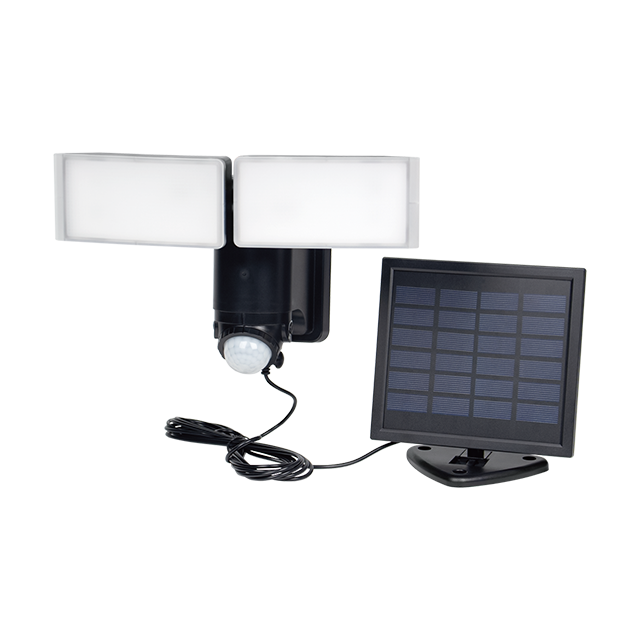
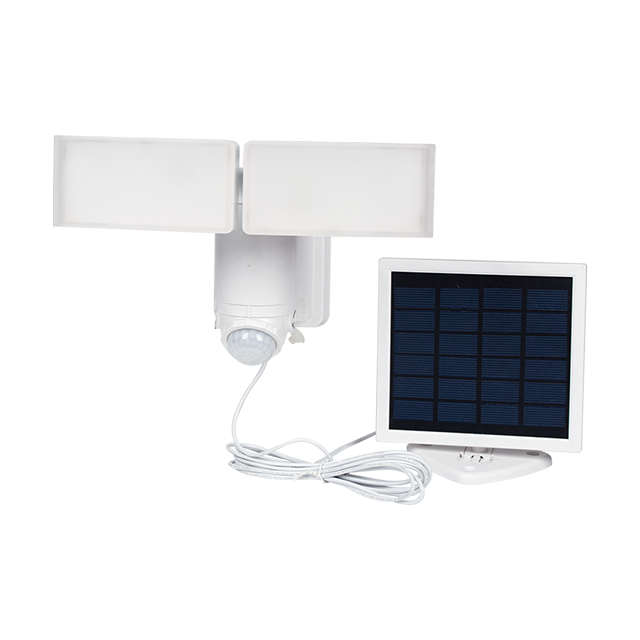
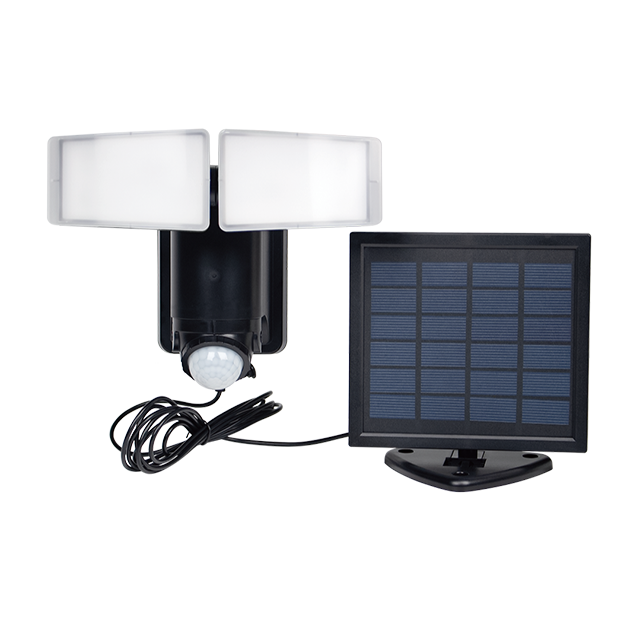
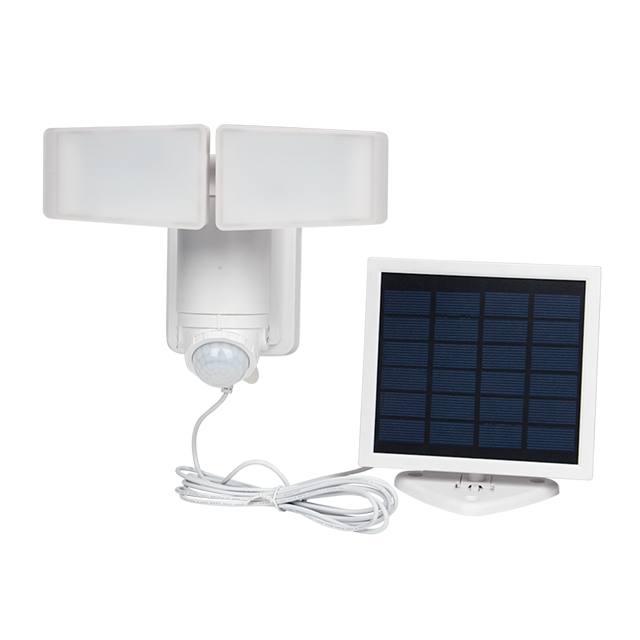
Solar Wall Light

Waterproof Garden Wireless Post Cap Lights have become increasingly popular in modern landscape lighting. Proper installation is crucial for ensuring durability, optimal lighting performance, and safety. This article provides a detailed professional guide for landscape designers, gardeners, and homeowners on key considerations during installation.
The placement of post cap lights directly affects illumination coverage and safety. Select locations where light can cover pathways, garden features, or the entire yard evenly, avoiding overly shaded or obstructed areas. Keep the lights away from high-voltage lines, flammable materials, or areas prone to impact. Installing on flat, sturdy posts ensures stability and prevents tilting or detachment caused by wind or accidental contact.
Before installation, confirm that the light base matches the diameter of the post. Bases that are too large or too small may compromise the fixture’s stability and allow water ingress, reducing waterproof performance. For non-standard posts, use compatible adapter bases to ensure a snug fit while maintaining aesthetic appeal.
Water resistance is a critical feature of wireless post lights. Check the integrity of the rubber gaskets and seals before installation. Ensure battery compartments and lamp covers are properly aligned and sealed. After installation, lightly spray water to test for leaks. Periodic inspections of the seals are recommended to prevent degradation over time.
Post cap lights are typically secured using screws or snap-fit mechanisms. Use weather-resistant screws to avoid rusting, and apply moderate torque when tightening—over-tightening may damage the fixture, while under-tightening may lead to instability. For snap-fit models, ensure all clips are fully engaged and gently test the fixture for firmness. Tools such as drills and spirit levels can improve installation precision and efficiency.
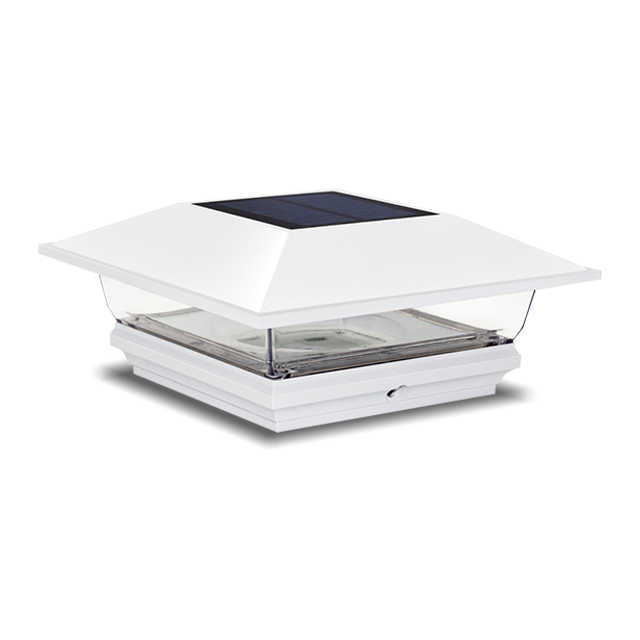
Wireless post cap lights generally use rechargeable batteries or solar panels. Ensure batteries are fully charged before first use to prevent low illumination. Install batteries according to the correct polarity and ensure battery compartments are sealed tightly. For solar-powered lights, place the solar panel in direct sunlight without obstructions to maximize nighttime illumination duration.
Pay attention to light direction to avoid glare and unnecessary light pollution. Adjust the fixture angle to evenly illuminate pathways or garden features. If the post light supports adjustable angles, make these adjustments before securing the fixture, as post-installation adjustments may be difficult.
Consider environmental factors such as wind, rainfall, and temperature fluctuations during installation. Fixtures should be made from UV-resistant and corrosion-resistant materials to withstand long-term outdoor exposure. Additional protective pads or covers can enhance stability and waterproof performance. Ensure surrounding ground areas are level to prevent accidents or damage from contact with the posts.
After installation, establish a regular maintenance schedule. Clean lamp covers to remove dust or debris and maintain optimal light output. Check battery levels and waterproof seals periodically, and replace aged components as needed. Seasonal checks are particularly important in winter or rainy periods, as cold temperatures and high humidity can affect battery performance and water resistance. Proper maintenance extends the lifespan of the lights and maximizes return on investment.
Copyright © Ningbo Loyal Lighting Technology Co., Ltd. All Rights Reserved.
 Wholesale Solar Garden Lights Manufacturers