
 EN
EN
 English
 Français
 Español

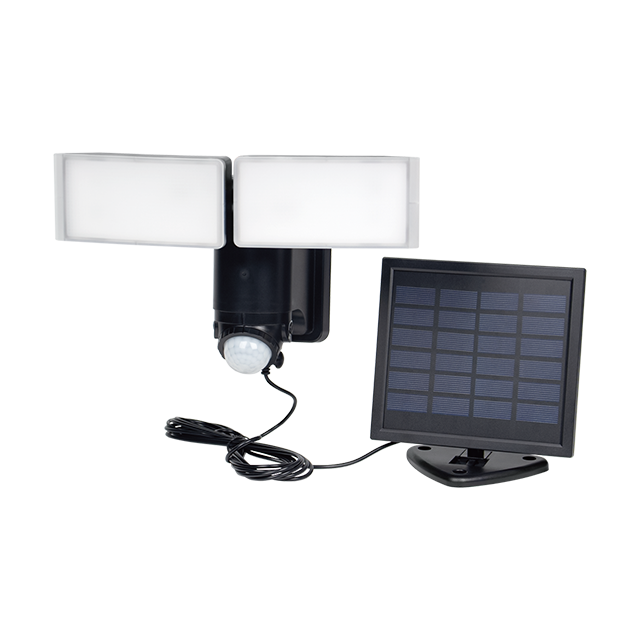
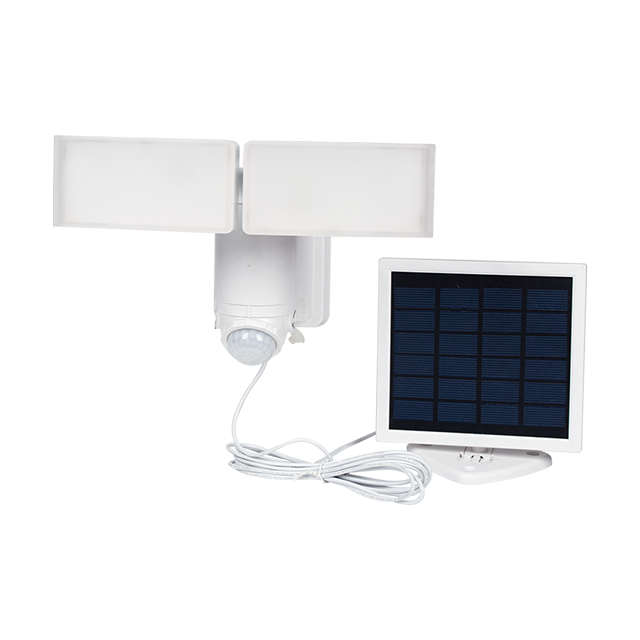
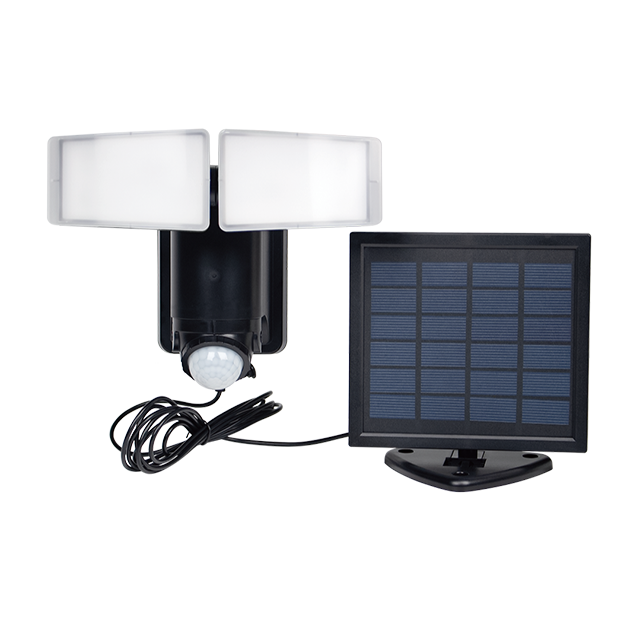
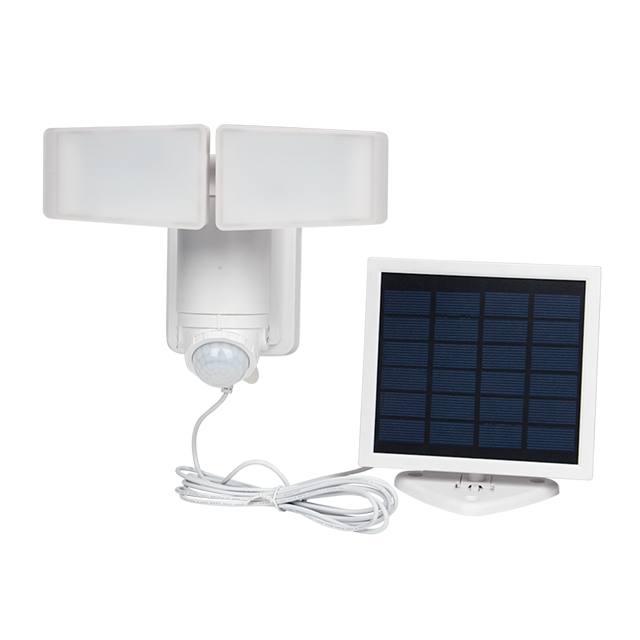
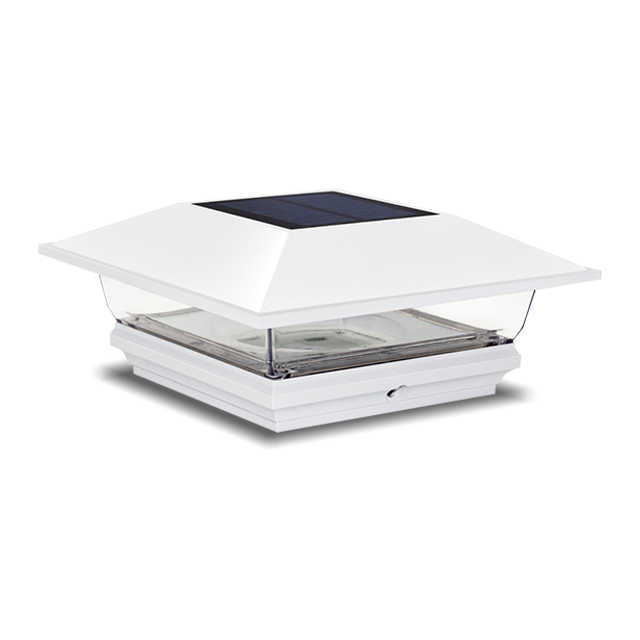
Solar Wall Light

Solar panels are the core component of solar outdoor wall lights, responsible for converting sunlight into electricity to power the fixture. The efficiency and durability of the solar panel directly determine charging speed, lighting duration, and overall lifespan. High-performance solar panels can maintain adequate charging even in cloudy or low-light conditions, ensuring stable and reliable outdoor lighting. Different types of solar panels vary in efficiency, cost, durability, and adaptability to environmental conditions.
Monocrystalline silicon panels are among the most efficient types of solar panels currently available. They usually appear black or dark blue with a uniform crystalline structure. Key characteristics include:
High conversion efficiency, typically between 18% and 22%, performing well even under limited sunlight.
Long lifespan, often exceeding 25 years, suitable for long-term outdoor use.
High space efficiency, providing more power output in smaller panel sizes.
The main disadvantage is higher production costs, making them more expensive than other types. Monocrystalline panels are ideal for high-end solar wall lights, especially in areas with inconsistent sunlight.
Polycrystalline silicon panels are composed of multiple silicon crystals and typically feature a bluish hue with a metallic sheen. Characteristics include:
Moderate conversion efficiency, usually between 15% and 18%, slightly lower than monocrystalline panels.
Lower cost, offering high value for mid-range products.
Better performance in high-temperature environments, though efficiency drops in low-light conditions.
Polycrystalline panels are suitable for gardens, patios, and walkways with adequate sunlight, providing stable charging while maintaining cost-effectiveness.
Thin-film solar panels use materials such as cadmium telluride (CdTe), copper indium gallium selenide (CIGS), or amorphous silicon (a-Si). Features include:
Flexible design, adaptable to curved or irregular surfaces of lights.
Low production cost, minimal material usage, and simple manufacturing processes.
Better low-light performance, allowing charging during cloudy days or early mornings.
Drawbacks include lower efficiency, generally around 10%–12%, and a shorter lifespan of 10–15 years compared to crystalline silicon panels. Thin-film panels are suitable for lightweight, design-oriented solar wall lights.
Concentrated solar panels use lenses or mirrors to focus sunlight, increasing the light intensity on a smaller area. Features include:
High power output per unit area, accelerating battery charging.
Ideal for regions with strong sunlight, capable of quickly charging batteries.
Limitations include complex structures, higher costs, and the need for precise installation and alignment. Concentrated panels are more common in high-power outdoor lighting, less often used in residential solar wall lights.
Some advanced solar wall lights adopt hybrid panels, combining crystalline silicon and thin-film technologies to balance efficiency and flexibility. Emerging technologies, such as perovskite solar cells, show potential for higher efficiency and cost advantages in thin, compact fixtures.
The type of solar panel directly affects charging efficiency, lighting duration, and adaptability to different environments. Monocrystalline panels perform well in low-light conditions, polycrystalline panels offer cost-effective reliability in sunny areas, thin-film panels provide lightweight and flexible design options. Choosing the appropriate solar panel type enhances battery longevity, reduces maintenance, and extends overall fixture life.
Copyright © Ningbo Loyal Lighting Technology Co., Ltd. All Rights Reserved.
 Wholesale Solar Garden Lights Manufacturers