
 EN
EN
 English
 Français
 Español


.png?imageView2/2/w/325/h/325/format/jpg/q/75)
Core Product Advantages
Focused Light Distribution
Optics are optimized to direct 90% of the light onto the pathway surface for maximum visibility and minimal light pollution.
Tool-Free Quick Setup
Simple ground-stake or screw installation allows hundreds of units to be deployed in minutes without professional labor.
Continuous Overnight Operation
Battery and power management are balanced to guarantee the light remains on for the entire duration of the night (Dusk-to-Dawn).
Elegant and Low-Profile Design
Aesthetically pleasing bollard and stake designs enhance the landscape during the day and provide subtle safety lighting at night.
Guiding Light: Safe and Stylish Solar Pathway Illumination
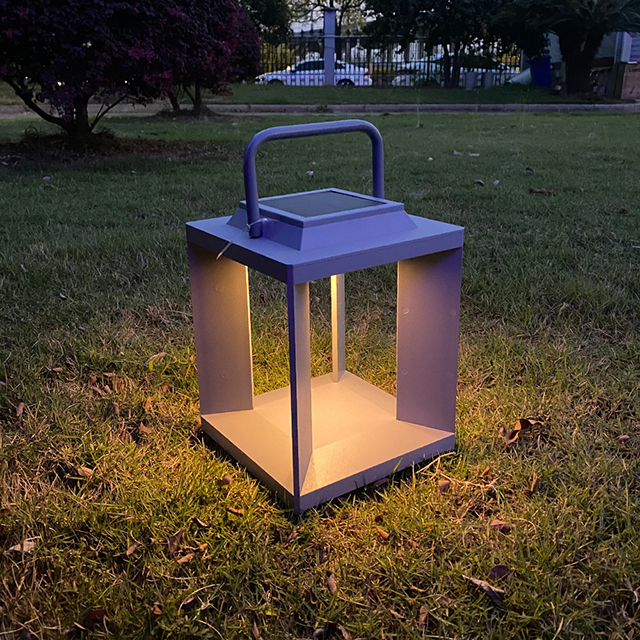
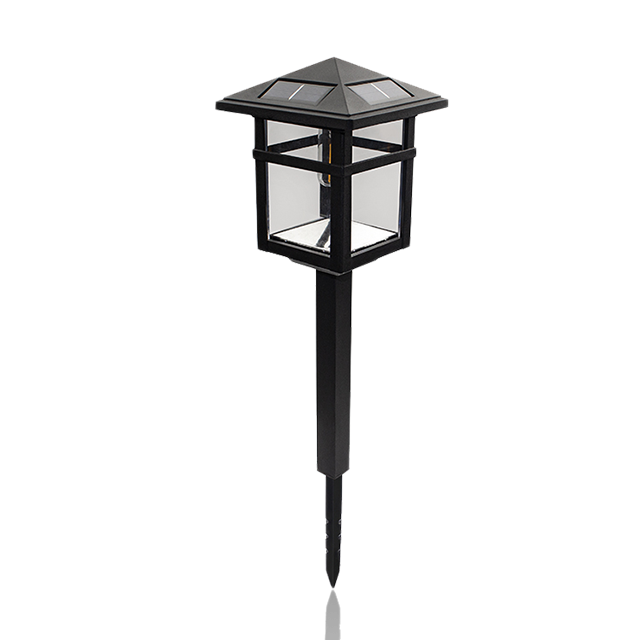
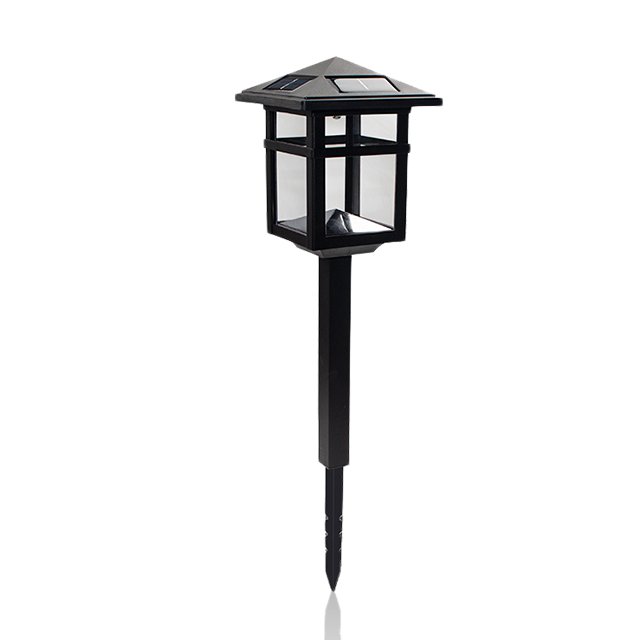
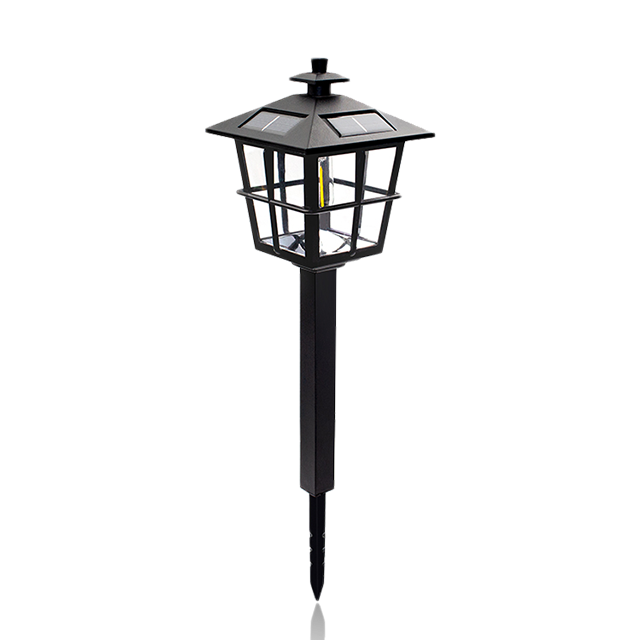
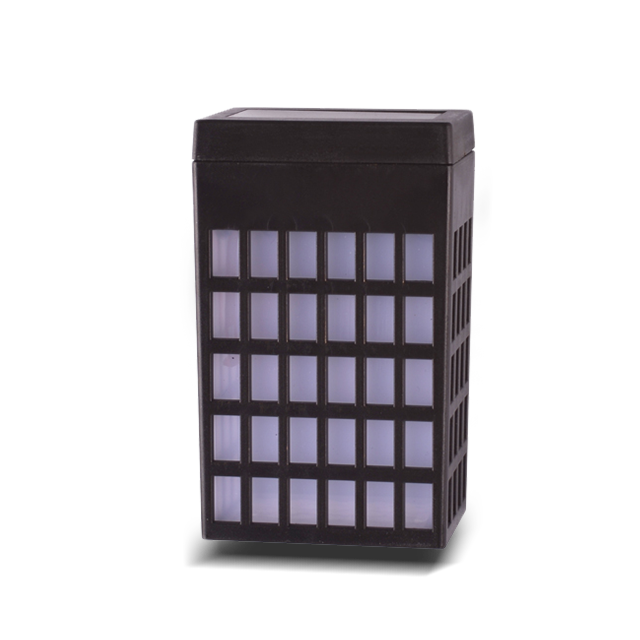
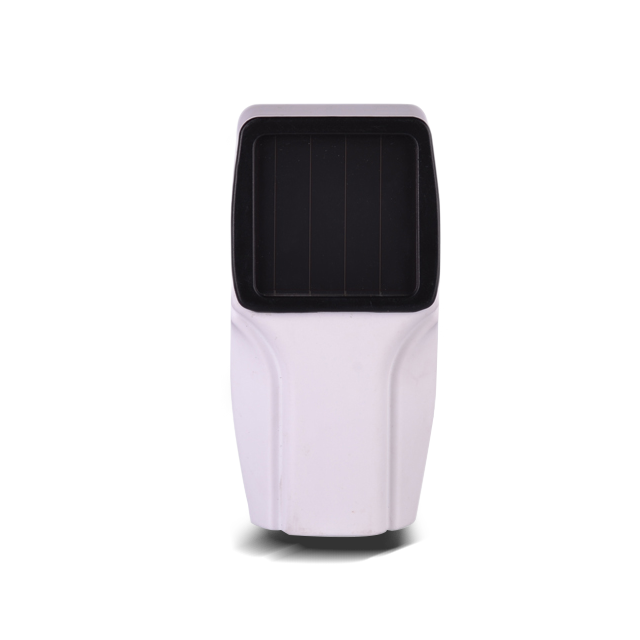
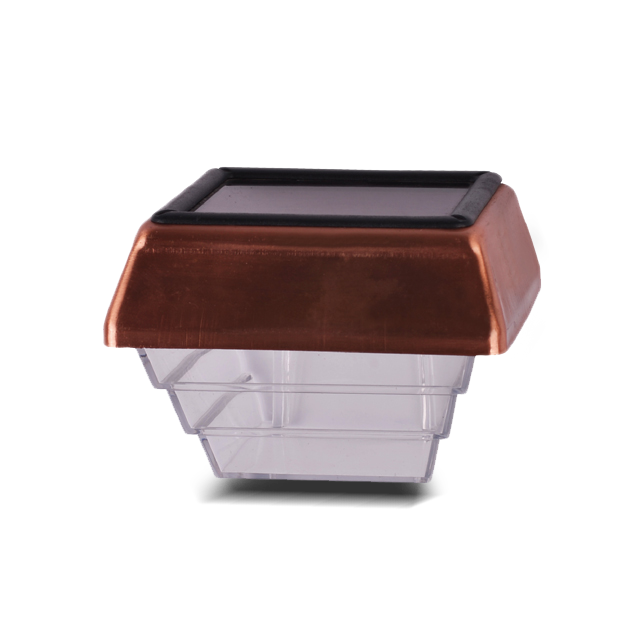
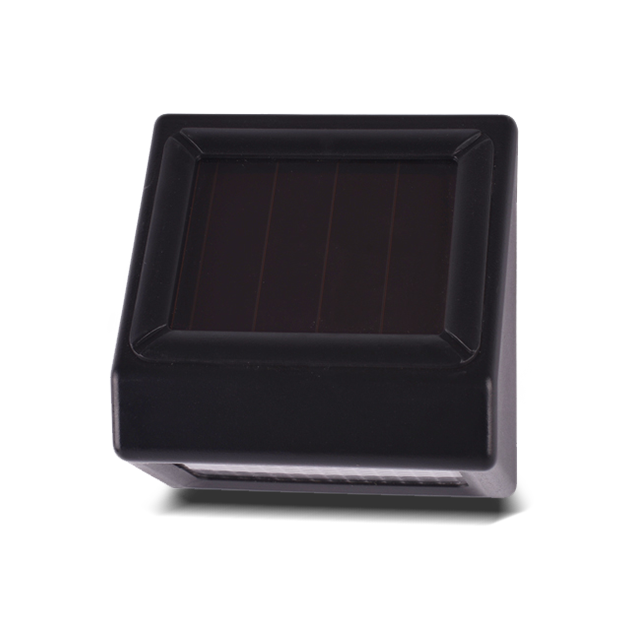
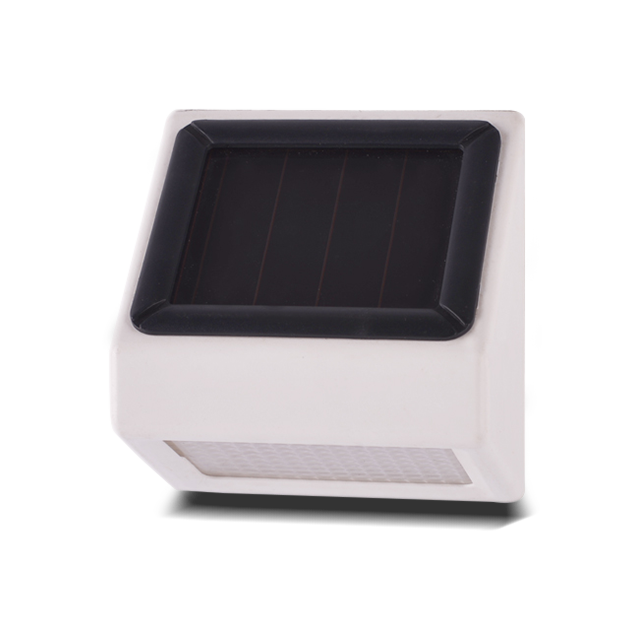
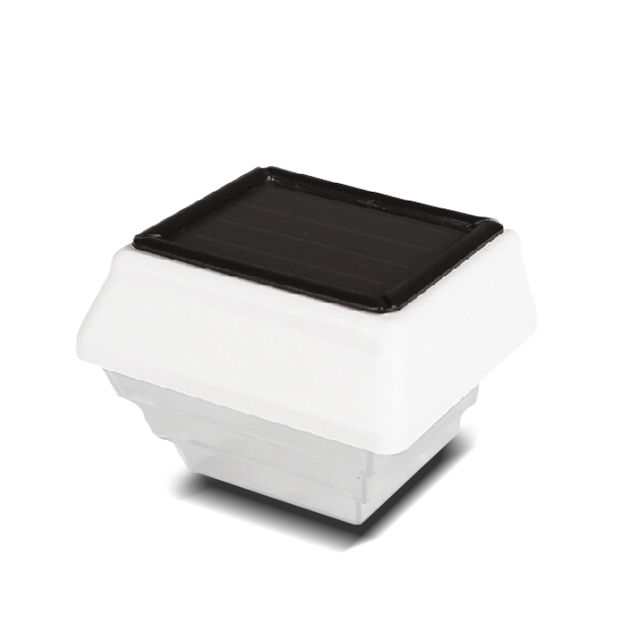
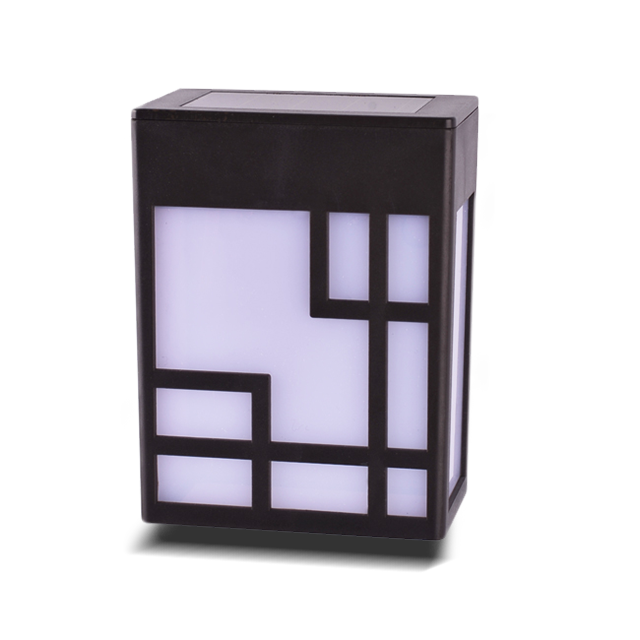
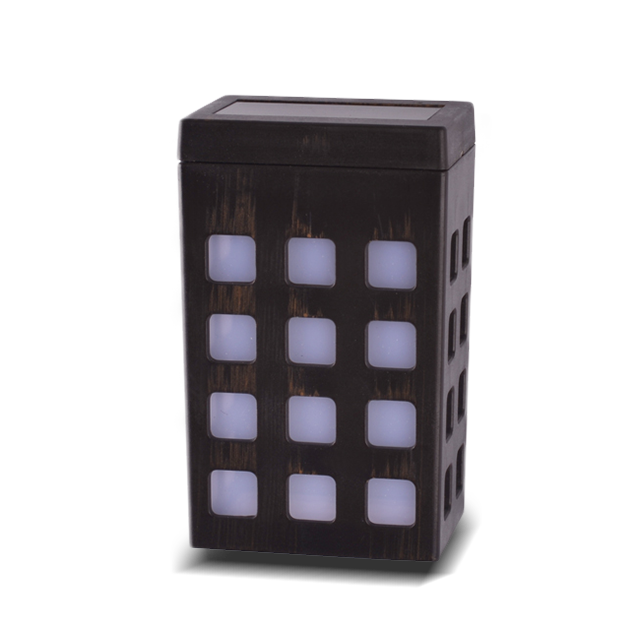
Solar Pathway Lights are meticulously designed to provide low-level, continuous illumination specifically for guiding pedestrians along walkways, trails, and garden paths. Their primary function is safety and demarcation, ensuring clear visibility of the path edge and eliminating trip hazards, all while adding a soft, inviting aesthetic to the landscape. This category includes low-profile bollards, classic shepherd's hook designs, and subtle in-ground markers.
The key difference between pathway lights and garden lights is scale and focus. Pathway lights are engineered to be slightly taller (bollards usually 60-100cm) and utilize focused optics to direct light downward onto the walking surface, maximizing usable light and minimizing light pollution. Our designs prioritize anti-glare features to ensure a comfortable walking experience without dazzling the user. We offer a diverse palette of finishes, including brushed aluminum, powder-coated steel, and durable polycarbonate, to match various outdoor architectural styles.
Installation is the simplest hallmark of the pathway light. They are nearly all DIY, tool-free ground-stake systems. The entire integrated unit—solar panel, LED, and battery—is assembled by the user and simply pressed into the ground alongside the path. This zero-wiring approach means rapid deployment and instant flexibility for relocating or redesigning the path layout, making them a favorite for both residential consumers and commercial landscapers.
Internally, these lights rely on highly efficient, compact solar cells (often Polycrystalline) and small, reliable NiMH or LiFePO4 batteries optimized for low power consumption. The LED light sources are typically low-wattage (under 2W) but are strategically positioned to achieve maximum lumen effectiveness on the ground. Automatic Dusk-to-Dawn operation is standard, managed by a photoresistor that reliably cycles the light on and off without any manual input.
We rigorously test for durability, ensuring high IP ratings (IP44 to IP65) and UV resistance in all external materials. The bollard models are particularly robust, engineered to withstand accidental bumps and minor impacts from gardening equipment. By providing reliable, aesthetically pleasing, and highly convenient solar pathway lighting, we offer a sustainable and safe way to define and illuminate any exterior walking space.
Technical Specifications (Standard Pathway Bollard)
| Product Series | NL-SPW-Bollard |
| Light Source | Low Power LED Cluster |
| Nominal Power | 1.5W |
| Lumen Output | 150 - 200 LM (Focused Downward) |
| Color Temperature (CCT) | 3000K / 4000K (Selectable) |
| Solar Panel | Integrated Polycrystalline, 2.5V/180mA |
| Battery Type | LiFePO4 3.2V/1000mAh |
| Charging Time | 6-8 hours |
| Runtime (Standard) | 10 - 12 Hours |
| IP Rating | IP44 |
| Housing Material | Aluminum Alloy / Polycarbonate Diffuser |
| Installation Height | 60 cm - 80 cm |
get in touch with us
Pathway Light Installation
1
Unpack and Switch ON
Assemble the light head and stake (if needed). Locate the internal switch (often under the cap) and switch it to the 'ON' position.
2
Select Charging Spot
Ensure the top panel receives direct sunlight for at least 6 hours, avoiding shade from nearby plants or buildings.
3
Install (Soft Ground)
Push the ground stake firmly and vertically into the soil next to the pathway edge until the base sits flush with the ground.
4
Spacing Check
Install subsequent lights at the recommended spacing (typically 1.5m - 3m apart) to ensure continuous, non-overlapping illumination along the path.
Comprehensive Application Scenarios
Residential Garden Walkways
Providing essential safety lighting to guide movement from the driveway to the front door after sunset.
Community Trails and Sidewalks
Defining the boundaries of public sidewalks and community walking trails with gentle, non-obtrusive light.
Campgrounds and Glamping Sites
Offering temporary or semi-permanent path markers in remote areas where grid power is unavailable.
Patio and Deck Perimeter
Discreetly illuminating the perimeter of outdoor living spaces, reducing the risk of trips near edges.
Commercial Project Snapshot
| Minimum Order Quantity (MOQ) | 2500 Units (High volume per SKU) |
| Lead Time (Typical) | 20 Days |
| Packaging | Multi-pack (4 or 6 units) Retail Box |
| Certifications | CE, RoHS, IP44/IP55, ENEC Compliance |
| Raw Materials Focus | Polycarbonate, Aluminum, Low-Wattage LED Array |
| Customization Options | Height, Color Finish, CCT, Battery Type (NiMH/LiFePO4) |


ABOUT US
Solar Product Solutions
Ningbo Loyal Lighting Technology Co., Ltd. established in 2013, is a professional China Solar Pathway Lights Manufacturers and Wholesale Solar Pathway Lights Factory, engaged in the solar related products, such as solar garden light, solar street light, solar power system and so on. It is located in Ningbo with convenient transportation and dedicated to strict quality control and thoughtful customer service. Our experienced staff members are always concerned to customers’ requirements and responsible to present the satisfied products. Our principle is, “To produce what customer need really and to serve how customer satisfy fully.”
EXPLORE MORE
Customization
We have a strong R&D team,we can develop and produce products according to the drawings or samples customers provide.
Quality
We have our own testing lab and the advanced and complete inspection equipment,which can ensure the quality of the products.
Advanced Equipment
We covers the entire production process, from solar cell cutting to the testing of finished solar product. We wholly own solar panel production line and guarantee all the solar panels used to the products are qualified.
-
 1
1Customization
-
 2
2Quality
-
 3
3Advanced
Equipment
Frequently Asked Questions (FAQ)
Q: What is the ideal spacing between pathway lights to avoid dark spots?
A: For our standard 150LM bollards, we recommend spacing them between 1.5 meters and 3 meters apart, depending on the desired light level.
Q: How do I fix a pathway light that has tilted over?
A: Simply straighten the stake. For soft ground, adding a small amount of gravel or compacting the soil around the base of the stake can improve stability.
Q: Are pathway lights safe for children and pets?
A: Yes. They operate on very low, safe DC voltage (1.2V/3.2V) and generate negligible heat, making them completely safe for all outdoor use.
Q: Can I use pathway lights during winter when the ground is frozen?
A: Installation must occur before the ground freezes. While the battery capacity is reduced in the cold, the light will still function, provided it gets some charge during the short daylight hours.
Q: Does the use of decorative plastic reduce the light's lifespan?
A: No. We use high-grade, UV-stabilized polycarbonate that resists yellowing and cracking, ensuring the aesthetic and structural integrity lasts for several years.
Q: How long should I wait before testing a newly installed pathway light?
A: It is best to allow the light to charge for two full sunny days before expecting a full night's runtime.
Q: What happens if the solar panel is covered by snow?
A: The light will not charge. Snow must be cleared from the solar panel surface to allow solar energy absorption.
Q: Can these lights be installed on concrete or wood decks?
A: Yes. Models that include a flange base can be screwed directly into concrete (with anchors) or wood deck surfaces instead of using the ground stake.
Q: What is the typical life of the LiFePO4 battery in pathway lights?
A: The LiFePO4 batteries in our premium models typically last 3-5 years before needing replacement, based on normal charging cycles.
Q: How does the light distribute the light so evenly?
A: The LEDs are positioned to shine downwards onto an internal reflector or diffuser, scattering the light to create a consistent, soft circle of illumination on the ground.
