
 EN
EN
 English
 Français
 Español

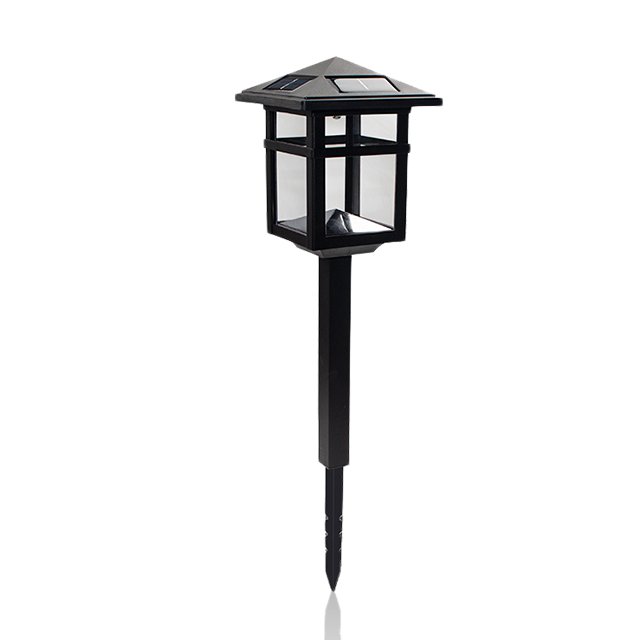
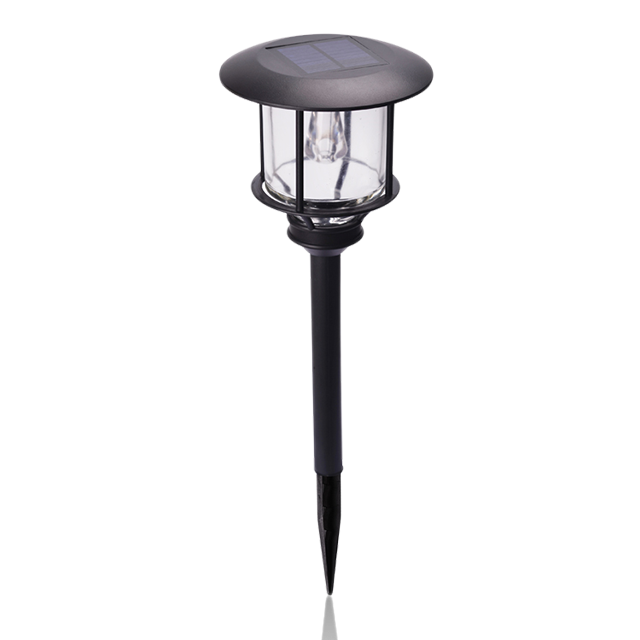
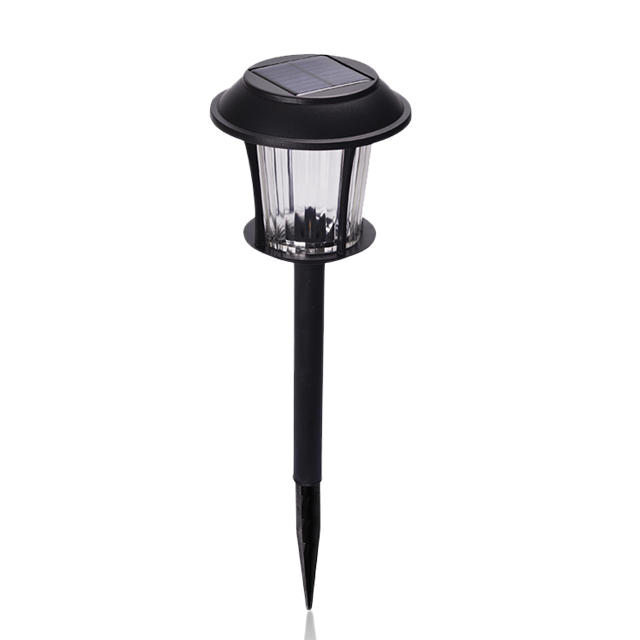
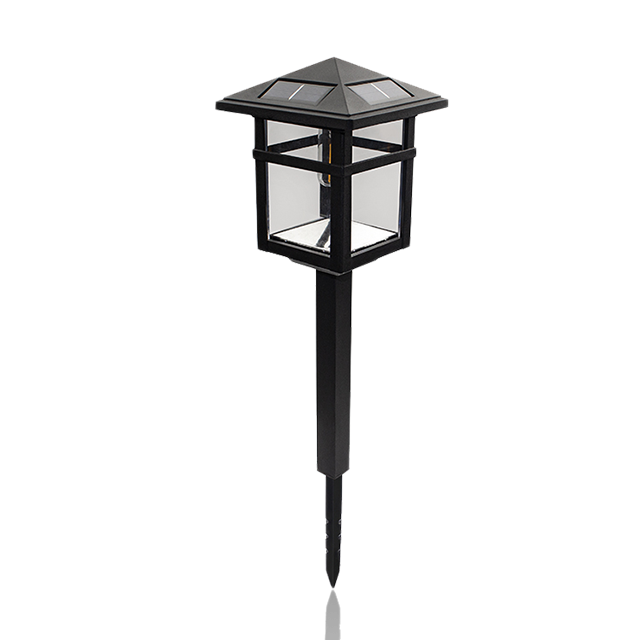
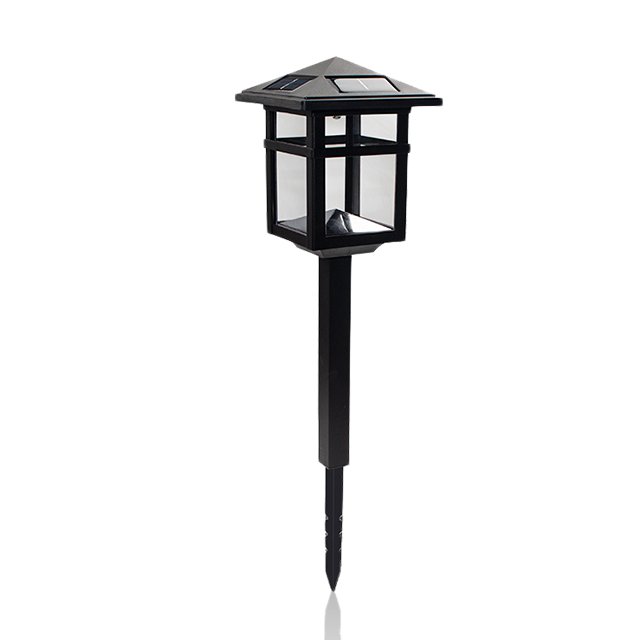
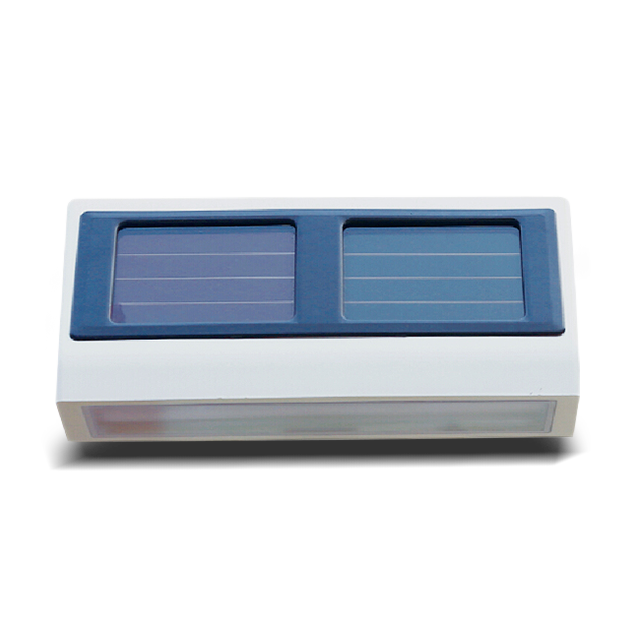
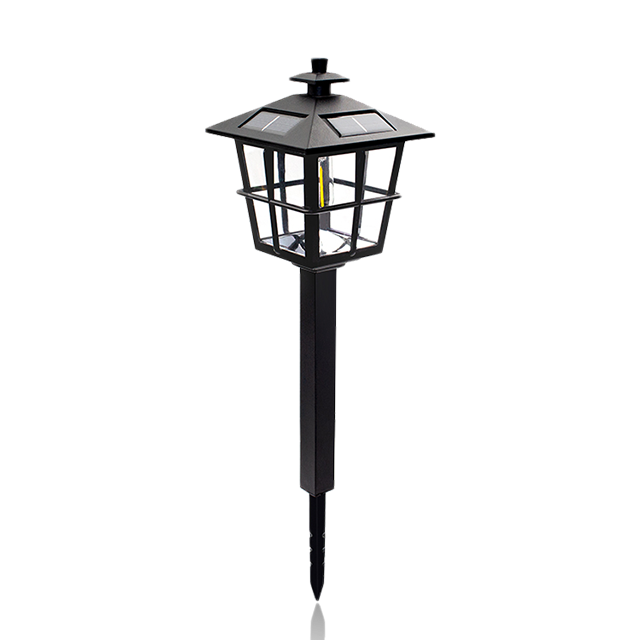
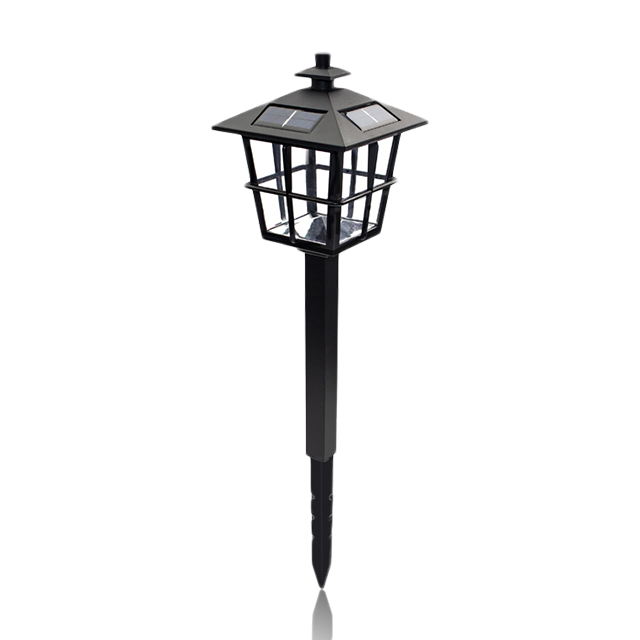
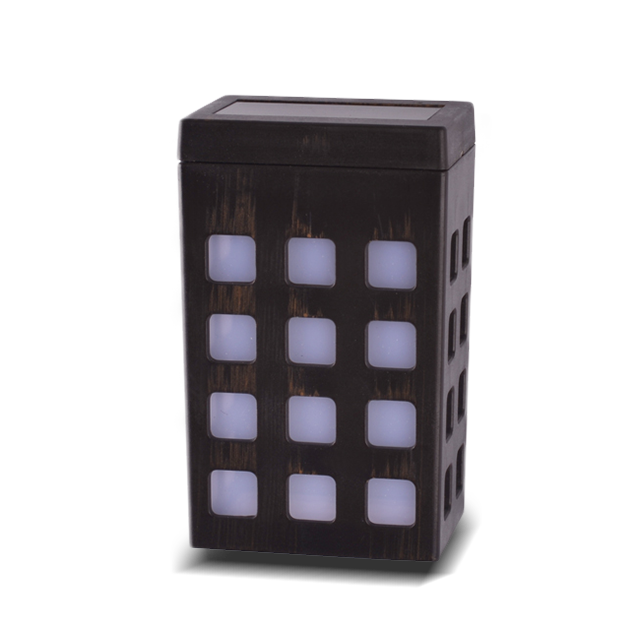
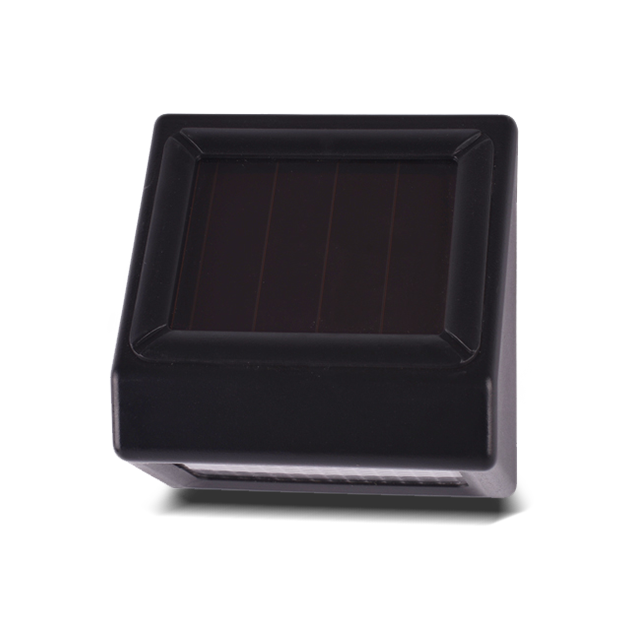
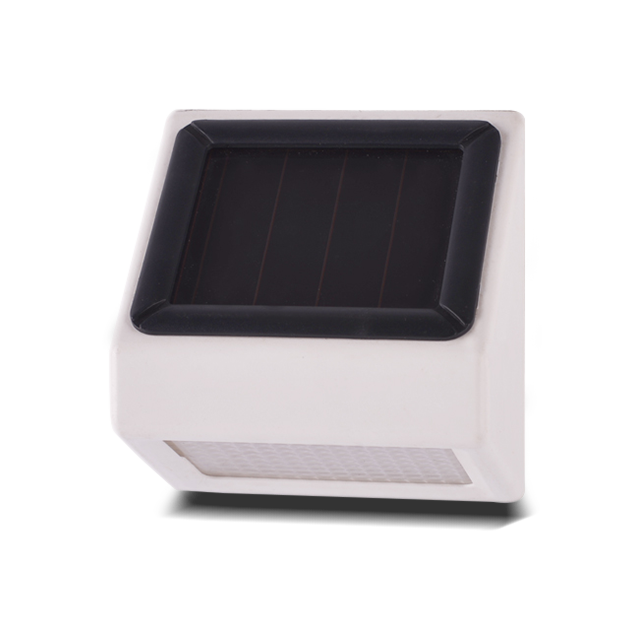
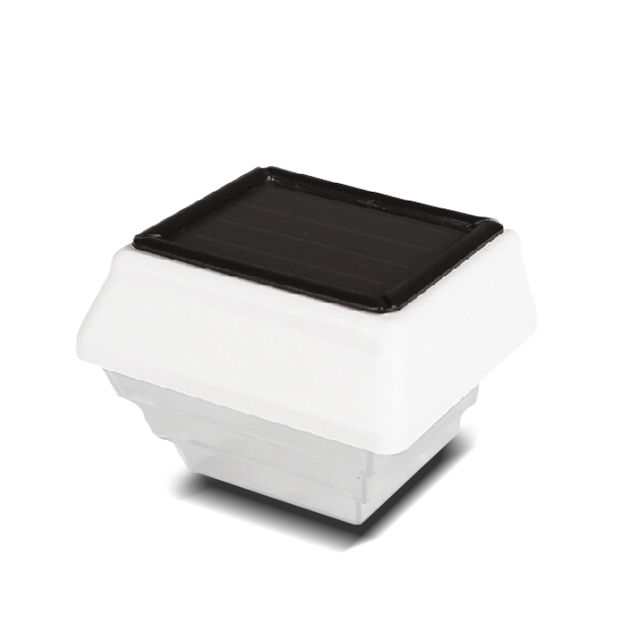
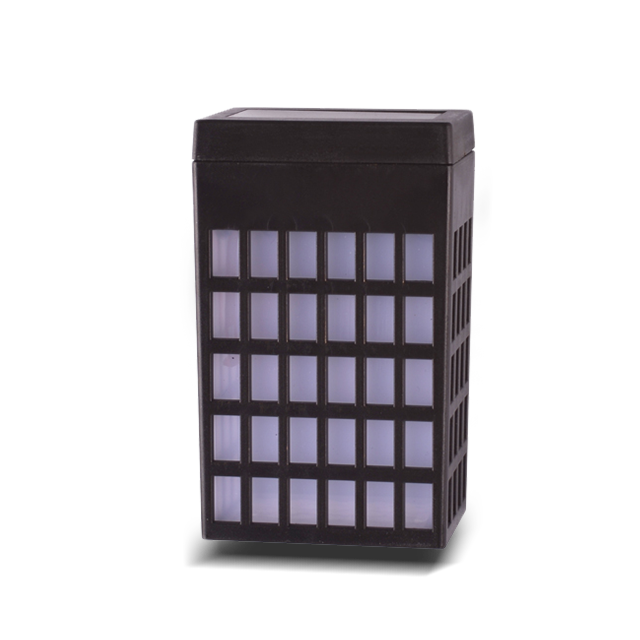
Core Product Advantages
Unique Deep Amber Aesthetic
Ultra-low CCT creates a rich, gas-lamp or candlelight atmosphere, enhancing mood.
Minimal Light Pollution
The soft color and low lumen output minimize skyglow and light spill.
Flicker Mode Capability
Some models offer a selectable mode to simulate the movement of a real flame.
Atmospheric Glow: Warm Amber Solar Path Lanterns
Warm Amber Solar Path Lanterns are a highly aesthetic category of path lighting characterized by their exceptionally low Color Correlated Temperature (CCT), typically below 2200K. The "Amber" light color provides a rich, deep, golden glow reminiscent of candlelight, gas lamps, or older-style sodium vapor lights. These fixtures are used exclusively for creating a specific mood—a warm, cozy, and romantic atmosphere—rather than providing high-lumen, functional safety lighting.
This aesthetic choice dictates unique design parameters: 1. Ultra-Low CCT LED: The LED itself is specifically manufactured to emit light in the deep amber spectrum (1800K to 2200K). This low color temperature is crucial for the intended visual effect, often simulating a flickering flame or a continuous warm glow. 2. Targeted Market: This appeals to high-end landscape designers, homeowners with Mediterranean or rustic outdoor styles, and properties near sensitive ecological zones (e.g., coastal areas where sea turtle protection requires amber/red lighting). 3. Minimalist Illumination: The light output is very low (10 to 30 LM), serving as a subtle marker for the edge of a path, patio, or water feature. The beam is typically wide and diffused to enhance the atmospheric quality.
Due to the low-power draw, the lights are highly efficient and can maintain long run-times (10+ hours) even on smaller Monocrystalline panels and standard NiMH or small Li-ion batteries. The housing design is often rustic, with bronze or dark finishes, and the lenses may be frosted or tinted to further enhance the warm color. Installation is typically quick staking or simple flange mounting onto hard surfaces. Compared to standard Warm White (3000K), the Amber spectrum provides a significantly different visual experience—it is softer, less intrusive, and less likely to cause glare, prioritizing comfort and ambiance over utility.
Manufacturers must clearly market the CCT value (e.g., "2000K Amber Glow") to differentiate it from standard Warm White. The selling point is the unique, high-value aesthetic and its role in meeting specific, light-pollution or wildlife-friendly lighting standards.
Technical Specifications
| Product Series | NL-SPLL-Amber-Candel |
| Light Source | Specialized LED Chip (Low CCT) |
| Nominal Power | 0.2W |
| Lumen Output (Marker/Ambient) | 10 - 30 LM |
| CCT Range | 1800K to 2200K (Deep Amber/Candle Glow) |
| Solar Panel | Integrated Monocrystalline, 2V/80mA |
| Battery Type | NiMH AA, 1.2V/800mAh |
| Design Feature | Flicker Mode Option (Simulated Flame) |
| Housing Material | Aluminum/UV-Stabilized Plastic (Dark Finish) |
| IP Rating | IP44 |
get in touch with us
Installation & Warranty
1
Strategic Placement
Space lights closely (1 to 2 meters) to create a continuous ribbon of the subtle amber color for the best effect.
2
Optimal Sun
Ensure the solar cap is in direct sunlight, as the low-power consumption relies on steady charging to run for 10+ hours.
3
Avoid 3000K Mixing
Do not mix deep Amber lights with standard Warm White (3000K) lights, as the color difference will be extremely noticeable and jarring.
Comprehensive Application Scenarios
Coastal and Wildlife Sensitive Zones
Using low CCT light that is less disruptive to nocturnal animals (e.g., sea turtles).
Rustic and Tuscan Landscapes
Matching architectural styles that rely on deep, historic, or gas-lamp color tones.
Patio and Deck Mood Lighting
Creating a soft, romantic, and non-glaring ambient light for dining and relaxation.
Commercial Project Snapshot
| Minimum Order Quantity (MOQ) | 7,000 Units (Specialty Landscape/Coastal Zone Supply) |
| Lead Time (Typical) | 25 Working Days (Specialized LED Sourcing) |
| Packaging | Retail Multi-Packs with Clear CCT/Aesthetic Focus |
| Certifications | CE, RoHS, IP44, CCT Verification (<2200K), Potential Dark-Sky Compliance |
| Raw Materials Focus | Specialized Low-CCT LEDs, NiMH AA, Monocrystalline Cells, Tinted Lenses |
| Customization Options | CCT (e.g., 1800K vs. 2200K), Housing Style (Lantern/Mushroom), Flicker Mechanism, Packaging Quantity |

ABOUT US
Solar Product Solutions
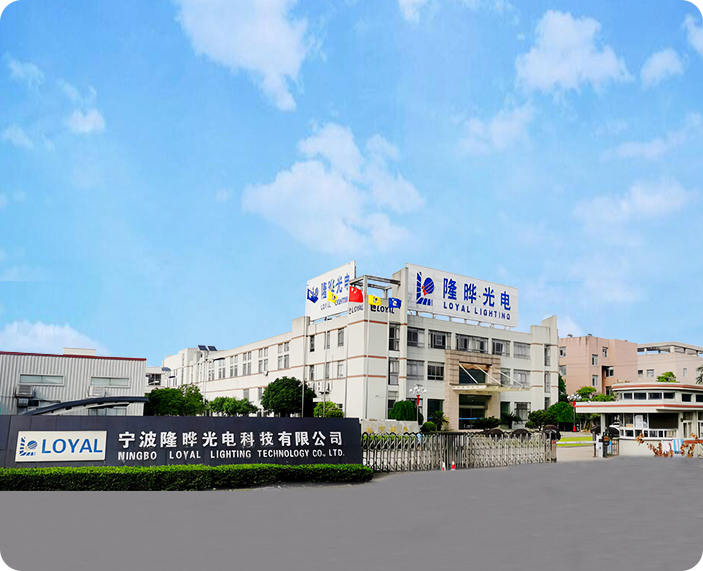
Ningbo Loyal Lighting Technology Co., Ltd. established in 2013, is a professional China Warm Amber Solar Path Lanterns Manufacturers and Wholesale Warm Amber Solar Path Lanterns Factory, engaged in the solar related products, such as solar garden light, solar street light, solar power system and so on. It is located in Ningbo with convenient transportation and dedicated to strict quality control and thoughtful customer service. Our experienced staff members are always concerned to customers’ requirements and responsible to present the satisfied products. Our principle is, “To produce what customer need really and to serve how customer satisfy fully.”
EXPLORE MORE
Customization
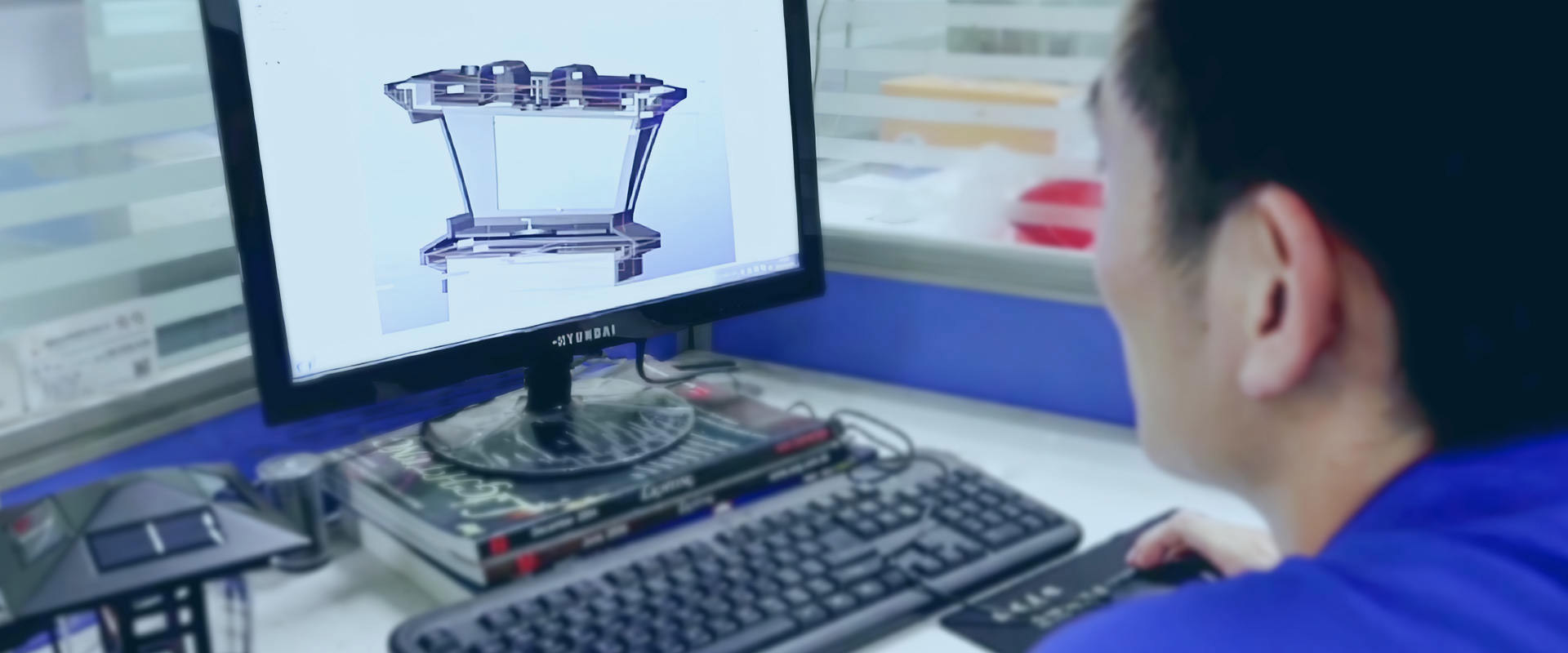
We have a strong R&D team,we can develop and produce products according to the drawings or samples customers provide.
Quality
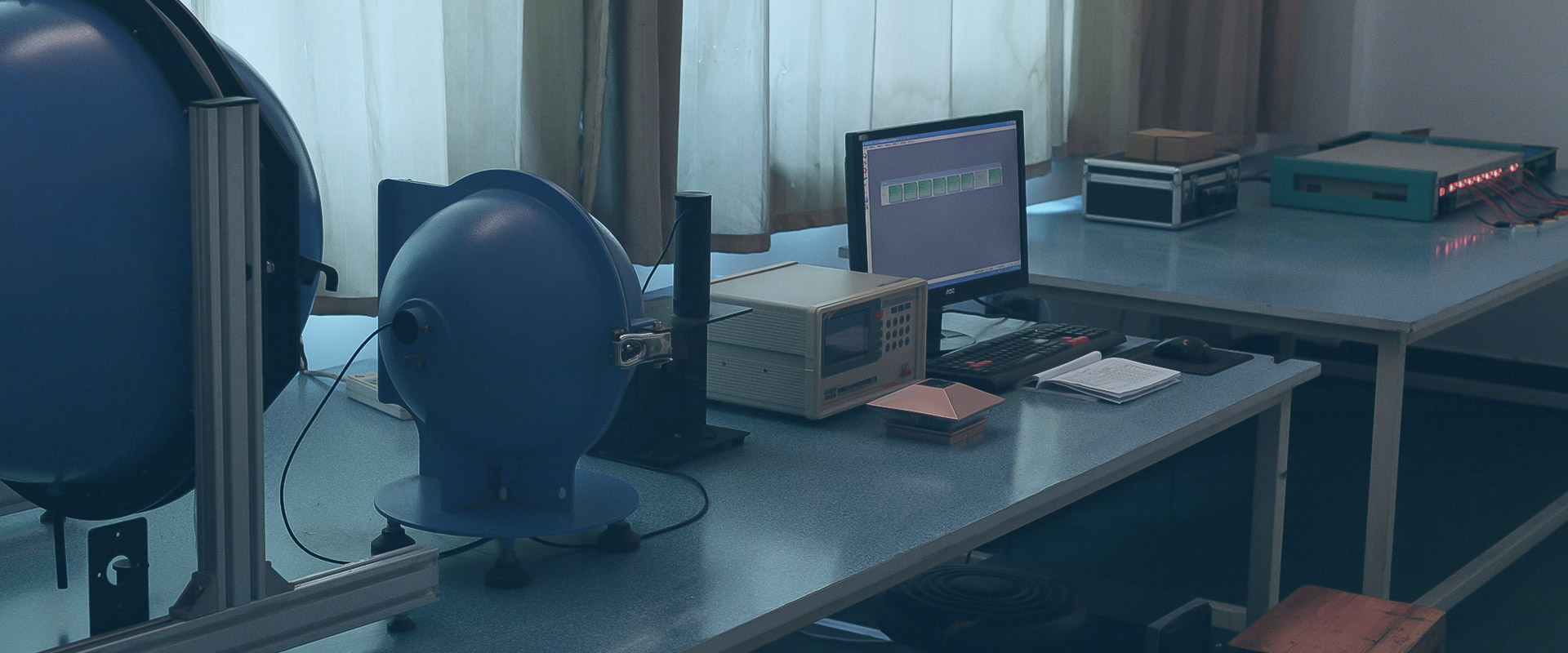
We have our own testing lab and the advanced and complete inspection equipment,which can ensure the quality of the products.
Advanced Equipment
We covers the entire production process, from solar cell cutting to the testing of finished solar product. We wholly own solar panel production line and guarantee all the solar panels used to the products are qualified.
-
 1
1Customization
-
 2
2Quality
-
 3
3Advanced
Equipment
Frequently Asked Questions (FAQ)
Q: Is Amber light (2000K) the same as Warm White (3000K)?
A: No. Amber is significantly warmer, with a deep orange-reddish tint, whereas Warm White is yellowish and much brighter.
Q: Is this color certified for sea turtle friendly lighting?
A: Low CCT (often below 2200K) is generally compliant with marine-friendly codes, but specific regulatory approval must be confirmed locally.
Q: Do Amber lights attract fewer insects?
A: Yes. Insects are less attracted to the deep red/amber end of the visible light spectrum compared to blue or cool white light.
Q: Will the low lumen output be enough for path safety?
A: No. These are decorative markers. They define the path but do not provide enough brightness for functional safety or obstacle avoidance.
Q: What is the benefit of the optional flicker mode?
A: The flicker mode is purely aesthetic, designed to convincingly simulate the movement of a real gas or candle flame for ambiance.
Q: Why do these lights run for so many hours (10+ hours)?
A: The very low power consumption (e.g., 0.2W) allows the small battery to sustain the light for a much longer period than a high-lumen light.
Q: Can I use these for my main walkway?
A: Only if you prioritize mood over visibility. For primary residential safety, a 50 to 100 LM light is recommended.
Q: How does the LED create such a low color temperature?
A: The LED chip is often coated with specialized phosphors (or uses a dedicated red/orange chip) to shift the light emission spectrum down below 2200K.
Q: Will the Amber color fade over time?
A: The LED CCT is stable. The intensity might drop as the battery ages, but the color itself is determined by the LED's fixed design.
Q: Are Amber lights commonly available in solar floodlight styles?
A: No. Amber is an aesthetic choice. Floodlights prioritize security and visibility, which require high lumens and Cool White CCT.
